THE ADVENTURE COLLECTIVE® · Independent discovery and booking for outdoor travel

Move from Cairo's urban pulse to the Nile's slow current on a nine-day circuit through Egypt's greatest monuments. This practical guide previews the pyramids, a four-night Nile cruise, Luxor's temples and the monumental Abu Simbel.
Move from Cairo's urban pulse to the Nile's slow current on a nine-day circuit through Egypt's greatest monuments. This practical guide previews the pyramids, a four-night Nile cruise, Luxor's temples and the monumental Abu Simbel.
The desert heat loosens as you step from the airport into Cairo's bustle — a city where honking traffic gives way to the silent presence of stone that has stood since before recorded time.
Verified experiences and guided adventures in the surrounding area.
Operated by Nile Prince Travel · Cairo, Cairo Governorate
The desert heat loosens as you step from the airport into Cairo's bustle — a city where honking traffic gives way to the silent presence of stone that has stood since before recorded time.
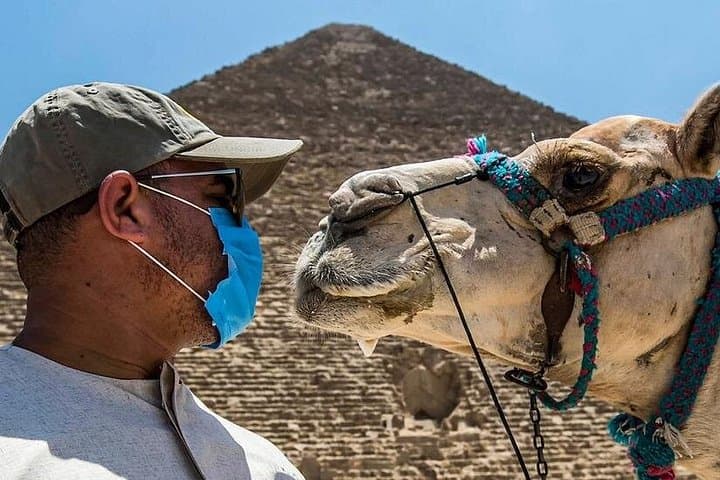
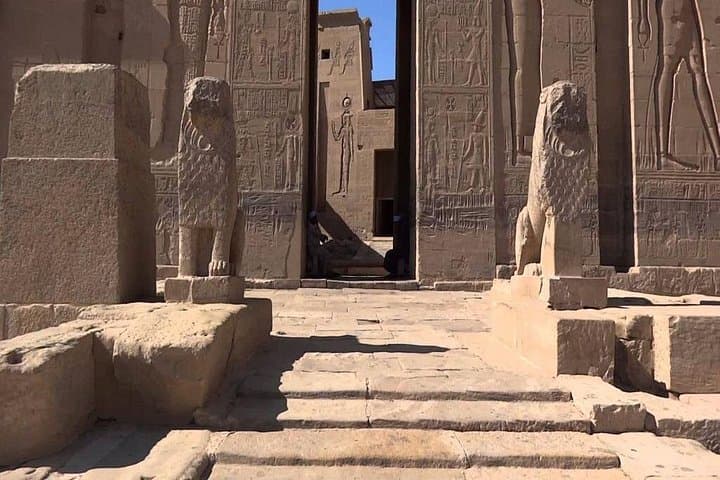
Over nine days you move from urban streets to the river's slow current: the Pyramids of Giza and the enigmatic Sphinx; the stepped silhouette of Saqqara; a flight south to Luxor; and a four-night Nile cruise that threads through temples at Edfu, Kom Ombo, and the island shrines at Philae before you disembark at Aswan and press on to Abu Simbel.
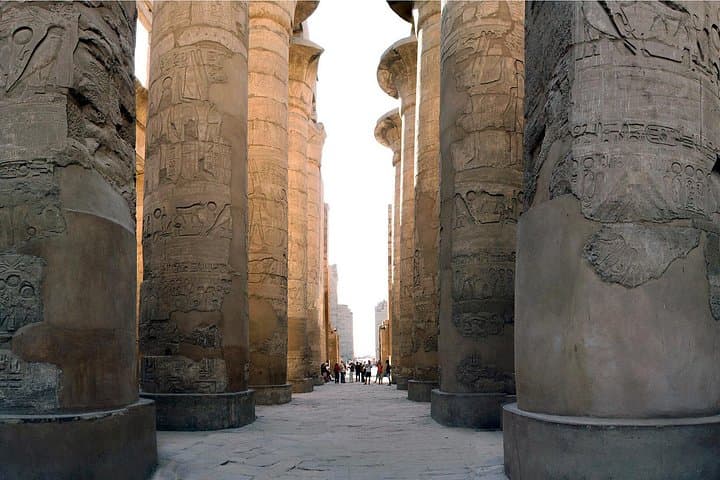
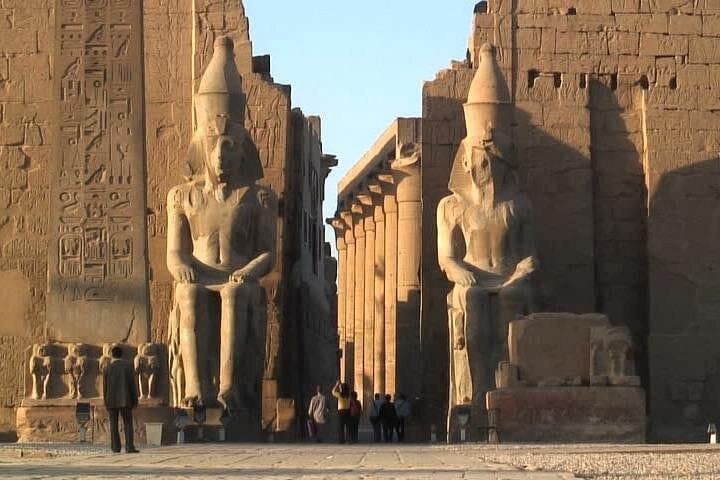
This itinerary traces millennia. Egypt's layered history — Pharaonic tombs, Ptolemaic shrines, Coptic churches and Islamic bazaars — sits on geology shaped by the Nile's annual rhythm and sedimentary limestone mesas that supplied blocks for monumental builders.
Expect guided walks across compacted sand and stone, short climbs up temple terraces, crowded bazaars, and calm onboard days watching river life slip by. The Nile behaves like a patient companion; its currents coax feluccas, push cargo barges, and reflect sunset columns.
Practical notes: bring sturdy walking shoes, sun protection and a lightweight layer for cool desert mornings. Entrance sequences can involve security checks and queues — planning and patience speed things along. Hydrate in small sips; bottled water is widely available.
Cultural courtesy matters: dress modestly at religious sites, ask before photographing people, and follow your Egyptologist guide's directions inside fragile tombs. With measured pacing and respectful curiosity, this route reads like a compact primer to ancient Egypt — immersive, physical, and profoundly tangible.
Most nationalities require a visa; travelers should check current visa rules for their passport and obtain an e-visa or visa on arrival where applicable before travel.
This tour includes many logistics and transfers, but some individual site admission fees and optional extras may not be included; verify specifics with the operator before booking.
Deluxe Nile cruises advertise stable vessels with comfortable cabins and meals; motion is minimal compared with open-sea travel, but those prone to motion sensitivity should prepare accordingly.
Modest clothing covering shoulders and knees is recommended at mosques, churches and conservative areas; a scarf can be useful for quick coverage.
Nile Prince Travel operates guided outdoor trips and adventures with an emphasis on safety, stewardship, and memorable experiences.
The desert heat loosens as you step from the airport into Cairo's bustle — a city where honking traffic gives way to the silent presence of stone that has stood since before recorded time.
The desert heat loosens as you step from the airport into Cairo's bustle — a city where honking traffic gives way to the silent presence of stone that has stood since before recorded time.
Over nine days you move from urban streets to the river's slow current: the Pyramids of Giza and the enigmatic Sphinx; the stepped silhouette of Saqqara; a flight south to Luxor; and a four-night Nile cruise that threads through temples at Edfu, Kom Ombo, and the island shrines at Philae before you disembark at Aswan and press on to Abu Simbel.
This itinerary traces millennia. Egypt's layered history — Pharaonic tombs, Ptolemaic shrines, Coptic churches and Islamic bazaars — sits on geology shaped by the Nile's annual rhythm and sedimentary limestone mesas that supplied blocks for monumental builders.
Expect guided walks across compacted sand and stone, short climbs up temple terraces, crowded bazaars, and calm onboard days watching river life slip by. The Nile behaves like a patient companion; its currents coax feluccas, push cargo barges, and reflect sunset columns.
Practical notes: bring sturdy walking shoes, sun protection and a lightweight layer for cool desert mornings. Entrance sequences can involve security checks and queues — planning and patience speed things along. Hydrate in small sips; bottled water is widely available.
Cultural courtesy matters: dress modestly at religious sites, ask before photographing people, and follow your Egyptologist guide's directions inside fragile tombs. With measured pacing and respectful curiosity, this route reads like a compact primer to ancient Egypt — immersive, physical, and profoundly tangible.