THE ADVENTURE COLLECTIVE® · Independent discovery and booking for outdoor travel

Move from Cairo’s museum halls and the Giza plateau to a leisurely 4‑night Nile cruise, with Luxor’s temples and the cliff‑carved Abu Simbel as anchors. This route blends big monuments, village life along the river, and practical tips for handling heat, crowds, and transfers.
Move from Cairo’s museum halls and the Giza plateau to a leisurely 4‑night Nile cruise, with Luxor’s temples and the cliff‑carved Abu Simbel as anchors. This route blends big monuments, village life along the river, and practical tips for handling heat, crowds, and transfers.
The first light over Cairo paints the limestone casing stones of Giza in hard gold; dust lifts off the apron of the plateau as guides and camels animate the long view toward the Sphinx. From the din of the capital to the slow current of the Nile, this 8‑night, roughly 9‑day itinerary stitches city archaeology and river travel into a single route through pharaonic history.
Verified experiences and guided adventures in the surrounding area.
The first light over Cairo paints the limestone casing stones of Giza in hard gold; dust lifts off the apron of the plateau as guides and camels animate the long view toward the Sphinx. From the din of the capital to the slow current of the Nile, this 8‑night, roughly 9‑day itinerary stitches city archaeology and river travel into a single route through pharaonic history.
You’ll move from the crowded bazaars and the Egyptian Museum’s trove of Tutankhamen artifacts to the monumental colonnades at Karnak and the tightly carved tombs of the Valley of the Kings—sites cut into bedrock laid down when the Sahara was a sea. Southbound, the Nile pushes the cruise boat past agricultural islands and mud-brick villages, ending with the colossal rock-cut temples at Abu Simbel, moved block-by-block in the 1960s to save them from the rising Aswan High Dam lake.
Expect guided walks on a mix of paved and uneven surfaces, brief vehicle transfers of up to several hours (Cairo–Aswan by flight or long-road), and four nights on a mid‑range Nile cruise covering roughly 200–300 river kilometers between Luxor and Aswan. Cultural rhythms—early starts to avoid heat, bargaining in markets, and shared tea—shape daily pacing.
Practical planning: carry sun protection and a reusable water bottle, budget local cash for tips (baksheesh), and build flexibility into your schedule for short naps and acclimatization. Respect site rules—no flash photography inside tombs and no touching painted reliefs—to preserve fragile surfaces for future visitors.
Visa requirements depend on nationality; many visitors obtain a visa on arrival or an e‑visa in advance—check current embassy guidance before travel.
This itinerary typically includes a 4‑night cruise between Luxor and Aswan with guided shore excursions to major temples and tombs; exact distance covered is roughly 200–300 river kilometers depending on the route.
Sites are generally safe for tourists but expect uneven ground and steep steps; follow guide instructions, stay on marked paths, and avoid touching painted surfaces to protect both you and the monuments.
Cash (Egyptian pounds) is most useful for small purchases and tips; major hotels and larger vendors accept cards—notify your bank about travel to avoid card blocks.
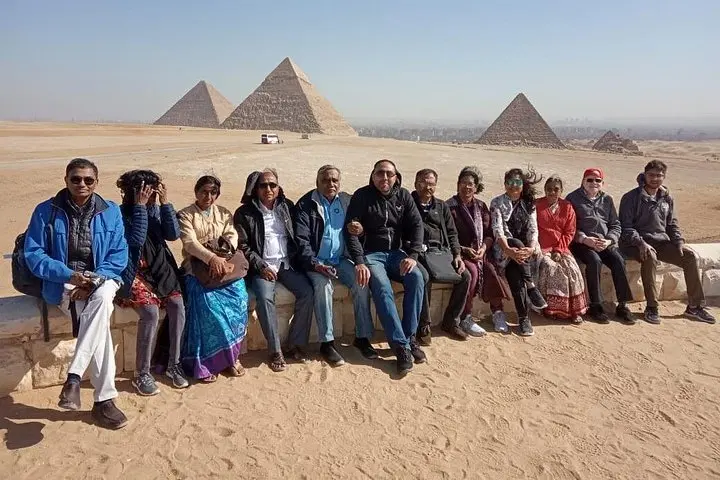
The first light over Cairo paints the limestone casing stones of Giza in hard gold; dust lifts off the apron of the plateau as guides and camels animate the long view toward the Sphinx. From the din of the capital to the slow current of the Nile, this 8‑night, roughly 9‑day itinerary stitches city archaeology and river travel into a single route through pharaonic history.
The first light over Cairo paints the limestone casing stones of Giza in hard gold; dust lifts off the apron of the plateau as guides and camels animate the long view toward the Sphinx. From the din of the capital to the slow current of the Nile, this 8‑night, roughly 9‑day itinerary stitches city archaeology and river travel into a single route through pharaonic history.
You’ll move from the crowded bazaars and the Egyptian Museum’s trove of Tutankhamen artifacts to the monumental colonnades at Karnak and the tightly carved tombs of the Valley of the Kings—sites cut into bedrock laid down when the Sahara was a sea. Southbound, the Nile pushes the cruise boat past agricultural islands and mud-brick villages, ending with the colossal rock-cut temples at Abu Simbel, moved block-by-block in the 1960s to save them from the rising Aswan High Dam lake.
Expect guided walks on a mix of paved and uneven surfaces, brief vehicle transfers of up to several hours (Cairo–Aswan by flight or long-road), and four nights on a mid‑range Nile cruise covering roughly 200–300 river kilometers between Luxor and Aswan. Cultural rhythms—early starts to avoid heat, bargaining in markets, and shared tea—shape daily pacing.
Practical planning: carry sun protection and a reusable water bottle, budget local cash for tips (baksheesh), and build flexibility into your schedule for short naps and acclimatization. Respect site rules—no flash photography inside tombs and no touching painted reliefs—to preserve fragile surfaces for future visitors.