THE ADVENTURE COLLECTIVE® · Independent discovery and booking for outdoor travel

Follow the Nile from Cairo's pyramids to Luxor's tombs and Aswan's granite islands on a nine-day journey of temples, tombs, and a classic Nile cruise. Early starts, comfortable walking, and a local guide turn iconic sights into manageable, unforgettable days.
Follow the Nile from Cairo's pyramids to Luxor's tombs and Aswan's granite islands on a nine-day journey of temples, tombs, and a classic Nile cruise. Early starts, comfortable walking, and a local guide turn iconic sights into manageable, unforgettable days.
The sun breaks over the Nile as the city exhales: Cairo's skyline of minarets and modern towers fades into the golden bands of desert, and the river dares you to follow it south. Begin in the chaotic, storied streets of Cairo — the pyramids looming on the western horizon like stone chapters — then trade urban pulse for the slow rhythm of a Nile cruise between Luxor and Aswan.
Verified experiences and guided adventures in the surrounding area.
Operated by Travel to Egypt · Cairo, Cairo Governorate
The sun breaks over the Nile as the city exhales: Cairo's skyline of minarets and modern towers fades into the golden bands of desert, and the river dares you to follow it south. Begin in the chaotic, storied streets of Cairo — the pyramids looming on the western horizon like stone chapters — then trade urban pulse for the slow rhythm of a Nile cruise between Luxor and Aswan.
This route threads deep history and visible geology: the Giza Plateau's limestone and mortar that built the Great Pyramid, the silted floodplain that made the Nile valley Egypt's agricultural heart, and the granitic islands around Aswan that show the river’s sculpting force. Culture arrives in layers — Pharaonic temples, Coptic churches in Old Cairo, bustling souks where centuries of trade continue. A stop at the Valley of the Kings puts you face to face with painted burial chambers; Kom Ombo pairs a crocodile museum with a temple that watches the current.
Practical guidance: pace your days — early mornings are cooler and quieter at sites; the cruise offers daily shore excursions and time to rest. Carry a refillable water bottle, sunscreen, and a small cross-body for documents. Expect moderate walking on uneven surfaces, stairs in temples, and brief transfers by private AC vehicle and short domestic flights. Learn basic Egyptian Arabic greetings, have local currency for tips and small purchases, and respect modest dress at religious sites.
This trip balances high-contact history with measured travel comfort: you’ll move from crowded museums to the solitude of river horizons, with local guides turning ruins into stories and the Nile itself nudging you onward.
Many nationalities require a visa; check Egypt’s current entry rules before travel and arrange an e-visa or visa on arrival if applicable.
Some sites have stairs and uneven surfaces; larger museums and many cruise facilities are wheelchair accessible but ask your operator about specific site access in advance.
Yes; tipping (baksheesh) is customary for guides, drivers, and service staff—budget small amounts per day for guide and boat staff, and carry small bills for porters.
Routine vaccinations are recommended; bring any personal medications, use bottled or treated water, and consult your travel clinic for up-to-date advice before departure.
Travel to Egypt operates guided outdoor trips and adventures with an emphasis on safety, stewardship, and memorable experiences.
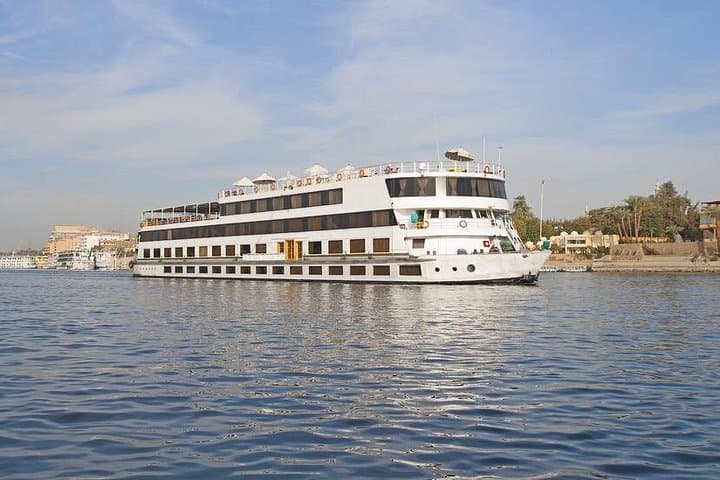
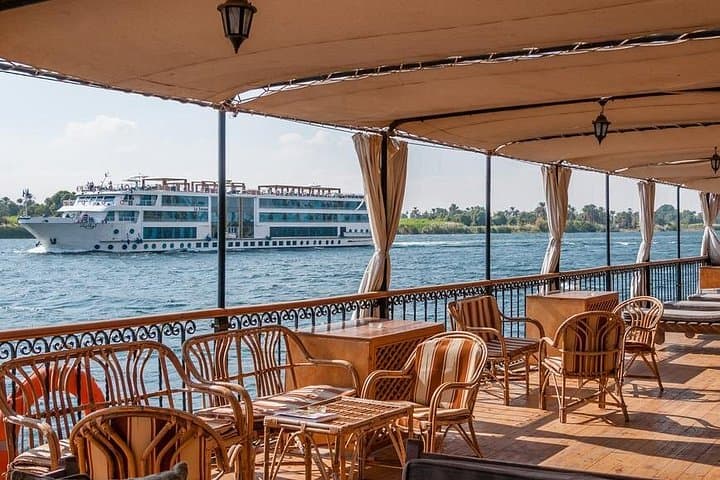
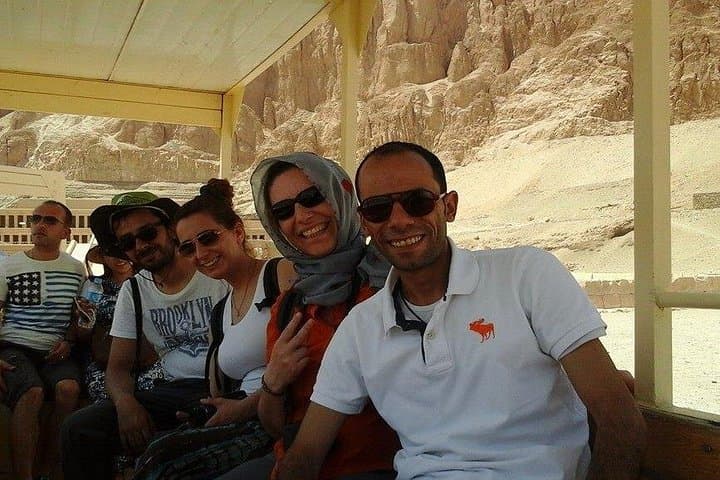
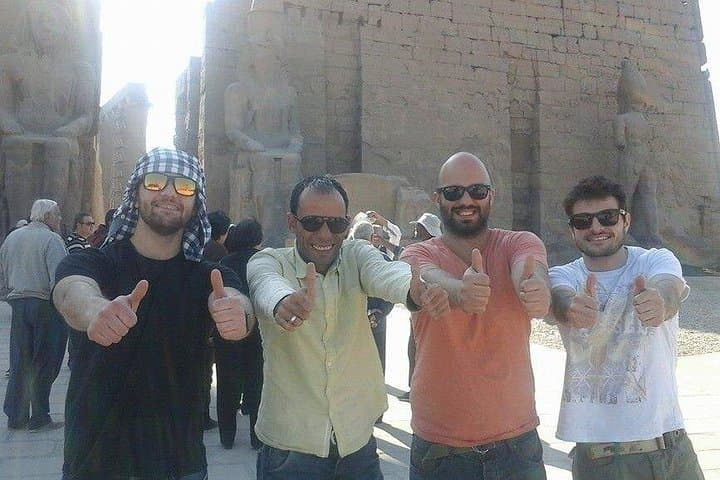
The sun breaks over the Nile as the city exhales: Cairo's skyline of minarets and modern towers fades into the golden bands of desert, and the river dares you to follow it south. Begin in the chaotic, storied streets of Cairo — the pyramids looming on the western horizon like stone chapters — then trade urban pulse for the slow rhythm of a Nile cruise between Luxor and Aswan.
The sun breaks over the Nile as the city exhales: Cairo's skyline of minarets and modern towers fades into the golden bands of desert, and the river dares you to follow it south. Begin in the chaotic, storied streets of Cairo — the pyramids looming on the western horizon like stone chapters — then trade urban pulse for the slow rhythm of a Nile cruise between Luxor and Aswan.
This route threads deep history and visible geology: the Giza Plateau's limestone and mortar that built the Great Pyramid, the silted floodplain that made the Nile valley Egypt's agricultural heart, and the granitic islands around Aswan that show the river’s sculpting force. Culture arrives in layers — Pharaonic temples, Coptic churches in Old Cairo, bustling souks where centuries of trade continue. A stop at the Valley of the Kings puts you face to face with painted burial chambers; Kom Ombo pairs a crocodile museum with a temple that watches the current.
Practical guidance: pace your days — early mornings are cooler and quieter at sites; the cruise offers daily shore excursions and time to rest. Carry a refillable water bottle, sunscreen, and a small cross-body for documents. Expect moderate walking on uneven surfaces, stairs in temples, and brief transfers by private AC vehicle and short domestic flights. Learn basic Egyptian Arabic greetings, have local currency for tips and small purchases, and respect modest dress at religious sites.
This trip balances high-contact history with measured travel comfort: you’ll move from crowded museums to the solitude of river horizons, with local guides turning ruins into stories and the Nile itself nudging you onward.