THE ADVENTURE COLLECTIVE® · Independent discovery and booking for outdoor travel

A private nine-day loop from Cairo to Luxor that pairs iconic temple visits with a slow Dahabeya cruise along the Nile. Ideal for travelers who want tailored pacing, included logistics, and quiet river evenings between major archaeological sites.
A private nine-day loop from Cairo to Luxor that pairs iconic temple visits with a slow Dahabeya cruise along the Nile. Ideal for travelers who want tailored pacing, included logistics, and quiet river evenings between major archaeological sites.
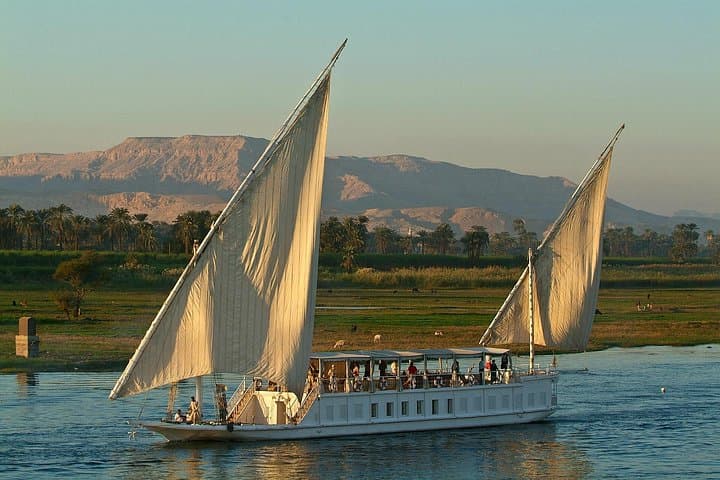
Morning light slides across sand and stone as the Nile pushes the Dahabeya gently north; you move with it, watching palm fronds gesture at riverside villages and pylons that mark the entrances to temples older than most nations.
Verified experiences and guided adventures in the surrounding area.
Operated by Egypt Best Day Tours · Luxor, Luxor Governorate
Morning light slides across sand and stone as the Nile pushes the Dahabeya gently north; you move with it, watching palm fronds gesture at riverside villages and pylons that mark the entrances to temples older than most nations.
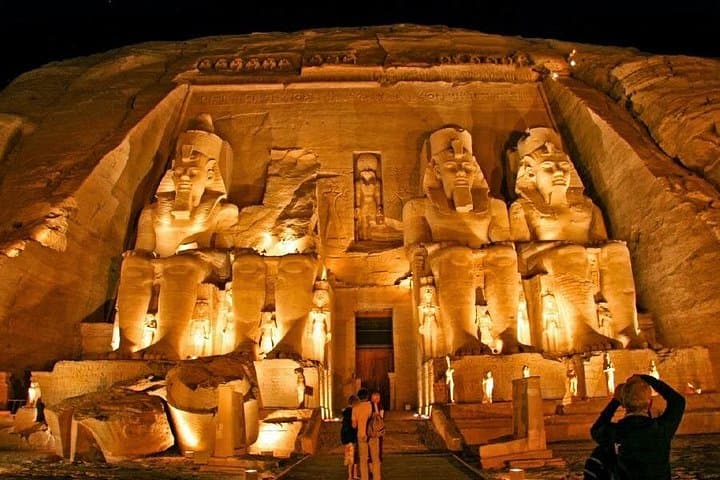
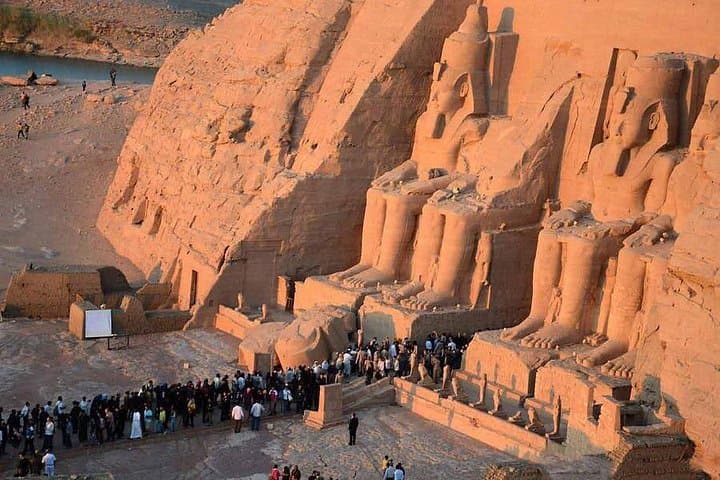
This nine-day private itinerary stitches Cairo’s Giza plateau to Luxor’s West Bank and the slow calm of a Dahabeya cruise between Edfu and Kom Ombo. Expect the Valley of the Kings’ painted tomb walls, Hatshepsut’s terraced mortuary temple cut into limestone cliffs, and Karnak’s forest of columns—each site shaped by Pharaonic ambition and the Nile’s sedimentary geology that supplied sandstone and limestone for their construction.
Culturally, the trip moves from bustling Cairo souks and Coptic enclaves to the measured rhythms of Upper Egypt; local guides translate hieroglyphs of power, and boat crews keep ancient river routes alive. The Dahabeya is quiet by design: soft-sailed, low-wake, and ideal for watching river life—herons stalking shallows, fishermen casting long lines.
Practically, travel is private and paced: included internal flights, hotel nights in Cairo, Luxor and Aswan, two nights on a Dahabeya with meals, and site admissions. Mornings can be hot and dusty—start early for balloon rides and temple visits. Carry reusable water, wear sun protection and comfortable walking shoes, and plan to climb steps and negotiate uneven surfaces at ruins. Passport copies and bottled water are simple musts.
For adventurous travelers who want Egypt’s highlights without large-group pressure, this route balances big monuments with slow-river moments and reliable logistics.
Yes—domestic flights, listed site admissions, and the Dahabeya accommodations with meals are included in the itinerary.
The tour is paced for most travelers but involves walking on uneven terrain, steps in tombs, and early starts—moderate mobility is helpful.
The Dahabeya is steady and calm, appropriate for many ages, but boarding may require stepping over low gunwales; notify operators of mobility needs.
Egyptian pounds are standard for small purchases; tipping is customary for guides, drivers, and boat crew—ask your operator for local guidance.
Egypt Best Day Tours operates guided outdoor trips and adventures with an emphasis on safety, stewardship, and memorable experiences.
Morning light slides across sand and stone as the Nile pushes the Dahabeya gently north; you move with it, watching palm fronds gesture at riverside villages and pylons that mark the entrances to temples older than most nations.
Morning light slides across sand and stone as the Nile pushes the Dahabeya gently north; you move with it, watching palm fronds gesture at riverside villages and pylons that mark the entrances to temples older than most nations.
This nine-day private itinerary stitches Cairo’s Giza plateau to Luxor’s West Bank and the slow calm of a Dahabeya cruise between Edfu and Kom Ombo. Expect the Valley of the Kings’ painted tomb walls, Hatshepsut’s terraced mortuary temple cut into limestone cliffs, and Karnak’s forest of columns—each site shaped by Pharaonic ambition and the Nile’s sedimentary geology that supplied sandstone and limestone for their construction.
Culturally, the trip moves from bustling Cairo souks and Coptic enclaves to the measured rhythms of Upper Egypt; local guides translate hieroglyphs of power, and boat crews keep ancient river routes alive. The Dahabeya is quiet by design: soft-sailed, low-wake, and ideal for watching river life—herons stalking shallows, fishermen casting long lines.
Practically, travel is private and paced: included internal flights, hotel nights in Cairo, Luxor and Aswan, two nights on a Dahabeya with meals, and site admissions. Mornings can be hot and dusty—start early for balloon rides and temple visits. Carry reusable water, wear sun protection and comfortable walking shoes, and plan to climb steps and negotiate uneven surfaces at ruins. Passport copies and bottled water are simple musts.
For adventurous travelers who want Egypt’s highlights without large-group pressure, this route balances big monuments with slow-river moments and reliable logistics.