THE ADVENTURE COLLECTIVE® · Independent discovery and booking for outdoor travel

Nine days across Namibia’s best: rhino and elephants at Etosha, the fogged Skeleton Coast and the towering dunes of Sossusvlei. This mixed camping-and-lodge safari blends wildlife, culture and desert spectacle.
Nine days across Namibia’s best: rhino and elephants at Etosha, the fogged Skeleton Coast and the towering dunes of Sossusvlei. This mixed camping-and-lodge safari blends wildlife, culture and desert spectacle.
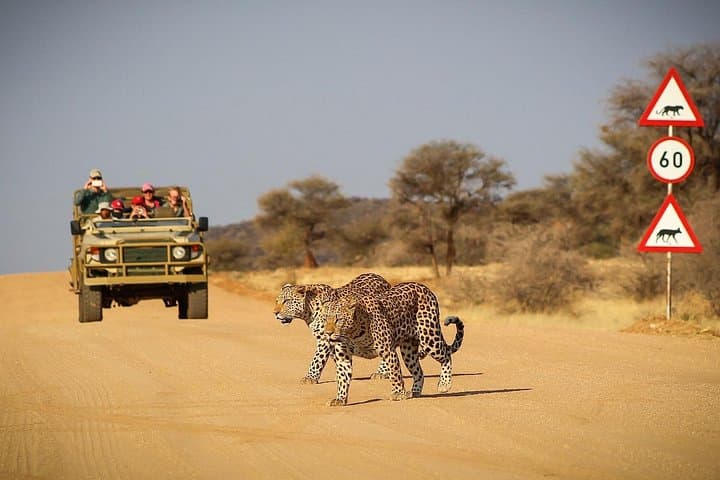
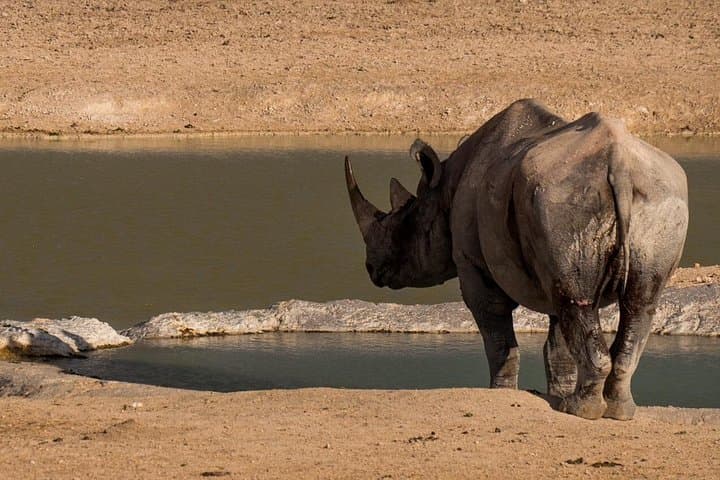
The first light in the Kalahari-colored sky over Windhoek is thin and cool; you climb into a custom safari vehicle, pop-up roof ready for scanning horizons, and the country unfolds like a map stitched with salt pans, gravel tracks and the slow geometry of dunes. Over nine days this trip moves you from private reserves where black and white rhino have been reintroduced, north across Etosha’s waterhole corridors, west to the fog-pricked Skeleton Coast, then south into the ancient Namib where sand climbs into mountains.
Verified experiences and guided adventures in the surrounding area.
Operated by Chameleon Safaris · Windhoek, Khomas
The first light in the Kalahari-colored sky over Windhoek is thin and cool; you climb into a custom safari vehicle, pop-up roof ready for scanning horizons, and the country unfolds like a map stitched with salt pans, gravel tracks and the slow geometry of dunes. Over nine days this trip moves you from private reserves where black and white rhino have been reintroduced, north across Etosha’s waterhole corridors, west to the fog-pricked Skeleton Coast, then south into the ancient Namib where sand climbs into mountains.
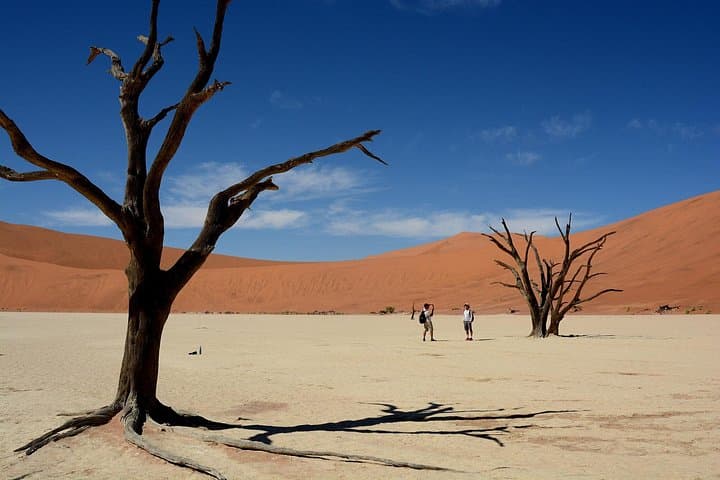
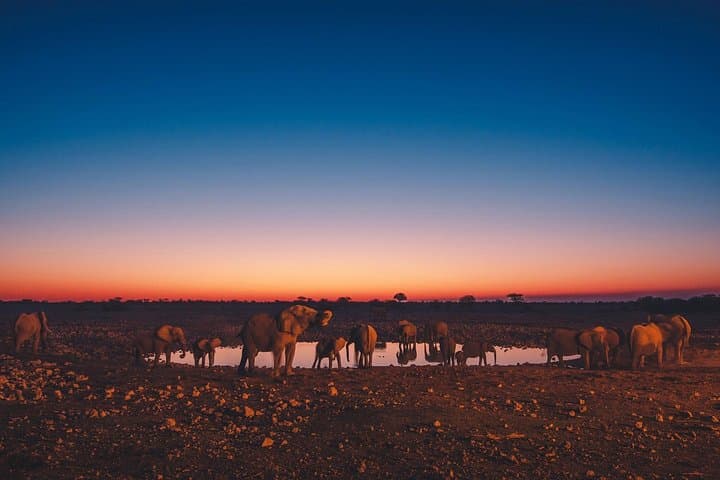
Etosha is the trip’s pulse: a 4,500 km² white pan that pushes wildlife to its edges. Game drives here are measured by waterholes — small stages where elephant, lion, giraffe and every antelope type play out survival in view of your lens. Further west, the Skeleton Coast juts into the Atlantic with a history of shipwrecks and seal colonies at Cape Cross. In the south, Sossusvlei’s dunes — including the photogenic Dune 45 and the cracked clay of Deadvlei — have been shifting for tens of millions of years; the Namib is among the planet’s oldest deserts.
Culture threads through the itinerary: a guided visit with the Himba offers direct exchange with one of Namibia’s living traditions — approach with curiosity, patience and a willingness to learn. Conservation is another running theme. Mount Etjo and local trusts work on rhino protection and community-led projects; the tour’s blend of camps and lodges supports small enterprises and local guides.
Practical edge: expect long driving days (several 3–6 hour transfers across gravel roads) and a mix of 5 nights camping and 3 nights in twin-share accommodation. Camping is comfortable but rustic — be ready for cool desert nights and hot, sunburn-prone days. Hydrate deliberately; the guides provide tap water, but carry a refillable bottle. Footwear should be sturdy for short hikes, and a sun hat, sunglasses and broad-spectrum sunscreen are essential. Game drives favor dawn and dusk for predator activity; pack layers for early starts and warm evenings around the fire.
Etiquette and logistics: respect Himba customs and ask before photographing people; keep distance at wildlife sightings and follow guide instructions. Bring a small daypack, binoculars, charged camera gear and spare batteries — remote camps have limited charging. Finally, pace yourself. The rhythm of this safari is equal parts watching and waiting: a patient frontier where a floodlit waterhole can suddenly deliver a scene you won’t forget.
A moderate level of fitness is needed — you’ll do short hikes, stand during game drives and handle basic camping routines; long vehicle transfers require stamina.
Camping here is a mix of rustic and practical: tents and camping equipment are provided with communal facilities, while some nights are twin-share lodge rooms with en-suite bathrooms.
Dry months (May–October) concentrate wildlife at waterholes and offer clearer skies for dune photography; however coastal fog can appear year-round on the Skeleton Coast.
Park access and many activities listed in the itinerary are included, but check your booking details for specific entrance fee coverage and optional activity costs in Swakopmund.
The tour requires responsibility and some physical resilience; it may be better suited to older children and teenagers — confirm age policies with the operator.
Visit your doctor for recommended vaccinations and check Namibia’s visa requirements for your nationality well before travel; carry passport details when booking.
Chameleon Safaris operates guided outdoor trips and adventures with an emphasis on safety, stewardship, and memorable experiences.
The first light in the Kalahari-colored sky over Windhoek is thin and cool; you climb into a custom safari vehicle, pop-up roof ready for scanning horizons, and the country unfolds like a map stitched with salt pans, gravel tracks and the slow geometry of dunes. Over nine days this trip moves you from private reserves where black and white rhino have been reintroduced, north across Etosha’s waterhole corridors, west to the fog-pricked Skeleton Coast, then south into the ancient Namib where sand climbs into mountains.
The first light in the Kalahari-colored sky over Windhoek is thin and cool; you climb into a custom safari vehicle, pop-up roof ready for scanning horizons, and the country unfolds like a map stitched with salt pans, gravel tracks and the slow geometry of dunes. Over nine days this trip moves you from private reserves where black and white rhino have been reintroduced, north across Etosha’s waterhole corridors, west to the fog-pricked Skeleton Coast, then south into the ancient Namib where sand climbs into mountains.
Etosha is the trip’s pulse: a 4,500 km² white pan that pushes wildlife to its edges. Game drives here are measured by waterholes — small stages where elephant, lion, giraffe and every antelope type play out survival in view of your lens. Further west, the Skeleton Coast juts into the Atlantic with a history of shipwrecks and seal colonies at Cape Cross. In the south, Sossusvlei’s dunes — including the photogenic Dune 45 and the cracked clay of Deadvlei — have been shifting for tens of millions of years; the Namib is among the planet’s oldest deserts.
Culture threads through the itinerary: a guided visit with the Himba offers direct exchange with one of Namibia’s living traditions — approach with curiosity, patience and a willingness to learn. Conservation is another running theme. Mount Etjo and local trusts work on rhino protection and community-led projects; the tour’s blend of camps and lodges supports small enterprises and local guides.
Practical edge: expect long driving days (several 3–6 hour transfers across gravel roads) and a mix of 5 nights camping and 3 nights in twin-share accommodation. Camping is comfortable but rustic — be ready for cool desert nights and hot, sunburn-prone days. Hydrate deliberately; the guides provide tap water, but carry a refillable bottle. Footwear should be sturdy for short hikes, and a sun hat, sunglasses and broad-spectrum sunscreen are essential. Game drives favor dawn and dusk for predator activity; pack layers for early starts and warm evenings around the fire.
Etiquette and logistics: respect Himba customs and ask before photographing people; keep distance at wildlife sightings and follow guide instructions. Bring a small daypack, binoculars, charged camera gear and spare batteries — remote camps have limited charging. Finally, pace yourself. The rhythm of this safari is equal parts watching and waiting: a patient frontier where a floodlit waterhole can suddenly deliver a scene you won’t forget.