THE ADVENTURE COLLECTIVE® · Independent discovery and booking for outdoor travel

A nine-day loop through the Karakoram that pairs cliffside forts, glacial lakes and high border passes. Expect village treks, boating on Attabad Lake and a scenic drive to Khunjerab with opportunities to learn local music and food traditions.
A nine-day loop through the Karakoram that pairs cliffside forts, glacial lakes and high border passes. Expect village treks, boating on Attabad Lake and a scenic drive to Khunjerab with opportunities to learn local music and food traditions.
You arrive to a high valley where granite teeth and glacier white shoulders frame a village that moves with the seasons—apricot trees in bloom, snowfields folding into the skyline. Karimabad sits like a lookout, and from its narrow lanes you can hear the Karakoram Highway humming as it threads toward passes that dare you to look farther.
Verified experiences and guided adventures in the surrounding area.
Operated by Gypsy Tours · Karimabad, Gilgit-Baltistan
You arrive to a high valley where granite teeth and glacier white shoulders frame a village that moves with the seasons—apricot trees in bloom, snowfields folding into the skyline. Karimabad sits like a lookout, and from its narrow lanes you can hear the Karakoram Highway humming as it threads toward passes that dare you to look farther.
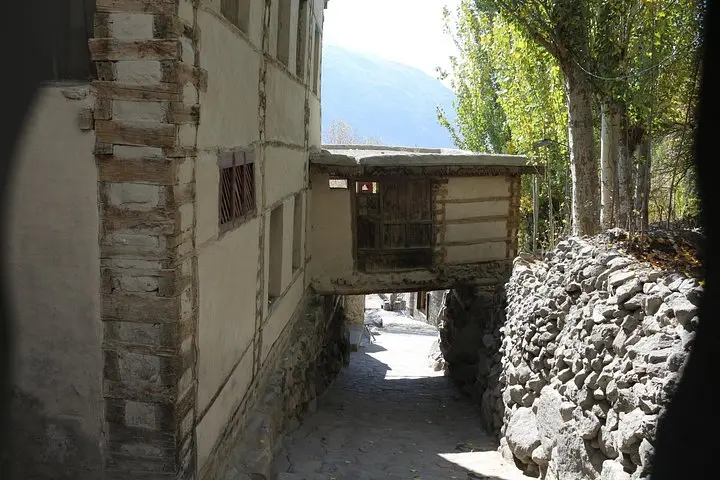
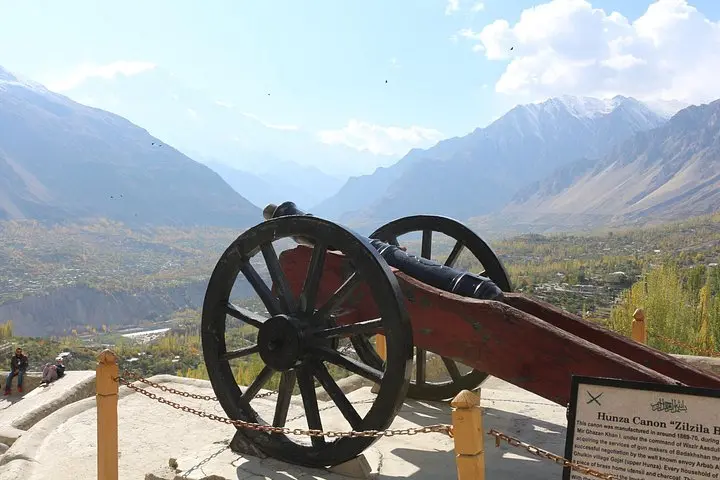
This itinerary tracks the Silk Road's old rhythms: Baltit and Altit forts speak to centuries of Hunza-Nagar rivalry and trade, their stonework and timber roofs bearing witness to Himalayan craft. Geologically, you’re in the Karakoram — uplifted rock, hanging glaciers and moraines that feed clear meltwater lakes. Attabad Lake, born in a 2010 landslide, now pushes its blue surface against steep cliffs and invites boating where a road once ran.
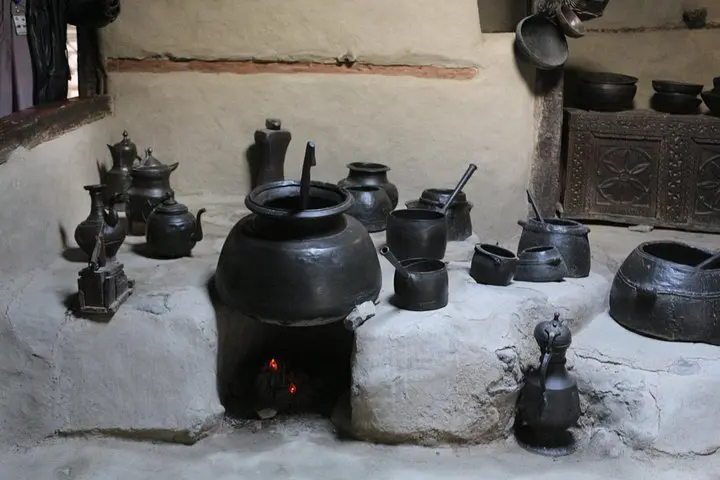
Culturally, the valley is outward-facing: community music schools, women-led cooperatives and apricot orchards shape daily life. Expect short village treks (1–3 hours), boat rides at Attabad and a high-road drive to Khunjerab Pass where thin air sharpens the view. Snow leopard and ibex sightings are rare but part of the park's draw; birdlife favors wetlands like Borith Lake.
Practical guidance: plan for altitude—move slowly, hydrate, and allow a rest day on arrival to Gilgit or Karimabad. Footwear should handle gravel, village steps and glacier approaches; a warm shell and sun protection are essential year-round. Cash and a local SIM help in smaller settlements. Travel windows: late spring to early autumn for road access and clearer skies; winter delivers snow and community ice hockey but can close high passes. This tour blends cultural stops with accessible hikes and high-altitude vistas—bring patience, layers and a curiosity for mountain life.
No technical experience is required; hikes are typically short (1–3 hours) but some routes include loose rock and uneven steps—good balance and comfortable boots are helpful.
Yes—Khunjerab Pass exceeds 4,600 m. Allow time to acclimatize, stay hydrated, avoid alcohol and descend if severe symptoms appear.
This tour includes private transportation and most meals (breakfast, lunch, dinner) as listed in the itinerary; long road transfers are by van or private vehicle.
Late May through September offers the most reliable road access and clear views; winters are scenic but many high routes close and conditions can be harsh.
Gypsy Tours operates guided outdoor trips and adventures with an emphasis on safety, stewardship, and memorable experiences.
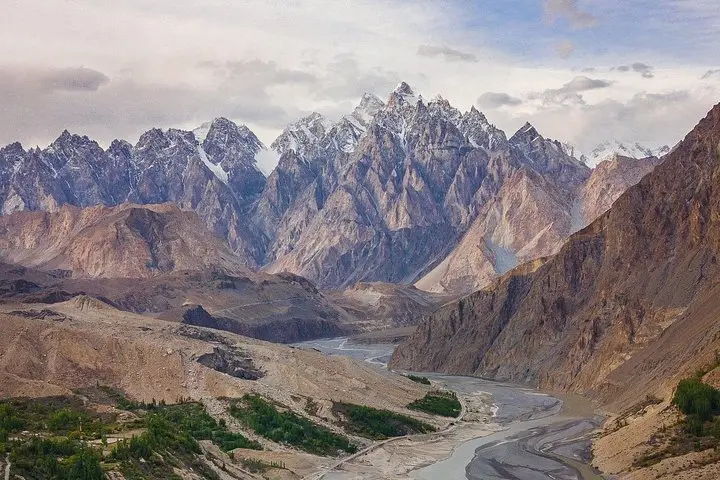
You arrive to a high valley where granite teeth and glacier white shoulders frame a village that moves with the seasons—apricot trees in bloom, snowfields folding into the skyline. Karimabad sits like a lookout, and from its narrow lanes you can hear the Karakoram Highway humming as it threads toward passes that dare you to look farther.
You arrive to a high valley where granite teeth and glacier white shoulders frame a village that moves with the seasons—apricot trees in bloom, snowfields folding into the skyline. Karimabad sits like a lookout, and from its narrow lanes you can hear the Karakoram Highway humming as it threads toward passes that dare you to look farther.
This itinerary tracks the Silk Road's old rhythms: Baltit and Altit forts speak to centuries of Hunza-Nagar rivalry and trade, their stonework and timber roofs bearing witness to Himalayan craft. Geologically, you’re in the Karakoram — uplifted rock, hanging glaciers and moraines that feed clear meltwater lakes. Attabad Lake, born in a 2010 landslide, now pushes its blue surface against steep cliffs and invites boating where a road once ran.
Culturally, the valley is outward-facing: community music schools, women-led cooperatives and apricot orchards shape daily life. Expect short village treks (1–3 hours), boat rides at Attabad and a high-road drive to Khunjerab Pass where thin air sharpens the view. Snow leopard and ibex sightings are rare but part of the park's draw; birdlife favors wetlands like Borith Lake.
Practical guidance: plan for altitude—move slowly, hydrate, and allow a rest day on arrival to Gilgit or Karimabad. Footwear should handle gravel, village steps and glacier approaches; a warm shell and sun protection are essential year-round. Cash and a local SIM help in smaller settlements. Travel windows: late spring to early autumn for road access and clearer skies; winter delivers snow and community ice hockey but can close high passes. This tour blends cultural stops with accessible hikes and high-altitude vistas—bring patience, layers and a curiosity for mountain life.