THE ADVENTURE COLLECTIVE® · Independent discovery and booking for outdoor travel

A gentle, family-oriented trek through the lower Annapurna foothills, this 9-day route links Pokhara with Begnas Lake via Gurung villages, rhododendron forests, and easy ridgelines. Expect short daily walks, homestay nights, and mountain views without high-altitude strain.
A gentle, family-oriented trek through the lower Annapurna foothills, this 9-day route links Pokhara with Begnas Lake via Gurung villages, rhododendron forests, and easy ridgelines. Expect short daily walks, homestay nights, and mountain views without high-altitude strain.
You step off a tourist bus into a street that still smells of wood smoke and wet earth — Pokhara’s skyline sliced by Fishtail’s serrated silhouette. The first day is a long, curvy drive from Kathmandu; after that the trail contracts into rice-terraced switchbacks, shady rhododendron, and small Gurung villages where children wave from stone walls.
Verified experiences and guided adventures in the surrounding area.
Operated by Osho world Adventure · Pokhara, Gandaki Province
You step off a tourist bus into a street that still smells of wood smoke and wet earth — Pokhara’s skyline sliced by Fishtail’s serrated silhouette. The first day is a long, curvy drive from Kathmandu; after that the trail contracts into rice-terraced switchbacks, shady rhododendron, and small Gurung villages where children wave from stone walls.
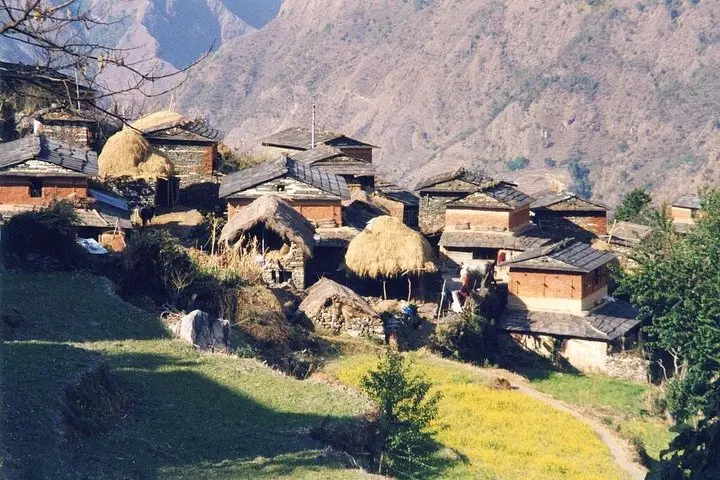
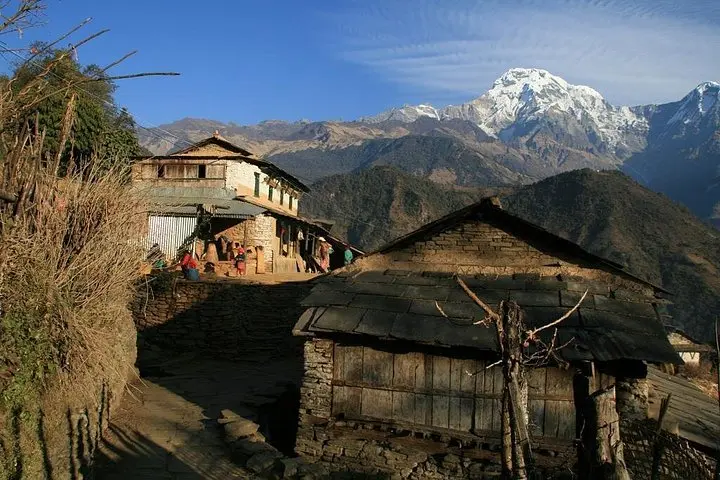
This lower Annapurna route stays modest in altitude (highest point about 1,730 m) and moves through the region’s foothill geology — deforested valleys, river gravels, and fertile terraced slopes carved over generations. Culturally, the trek threads Gurung villages and their hospitality: simple guesthouses, shared family meals, and local songs at the welcome dinner. The trail ends at Begnas Lake, roughly 30 km east of Pokhara, where boating and relaxed lakeside evenings replace backpacks and boots.
Practically, expect 3–5 hours of walking on most days over dirt tracks, short uphill pitches, and a few river crossings; one-day jeep transfers shorten approaches. The itinerary is deliberately gentle — suited for beginners and children with moderate fitness. Guides and porters typically carry group gear; operators often handle local permits and logistics. Bring sturdy footwear, layered clothing for cool mornings, a light rain shell for monsoon months, and small-day packs for snacks and water. Hydration, steady pacing for kids, and early starts to avoid afternoon heat will make the days easier. The reward is low-altitude Himalayan views, quiet villages, and the kind of manageable, multi-day rhythm that introduces families to trekking without extreme altitude or technical terrain.
Yes — the itinerary is designed for families with short daily distances, homestay accommodations, and porter services to carry heavy packs.
The route reaches about 1,730 meters (5,670 ft), which minimizes altitude-related issues for most travelers.
Local permits for the Annapurna region are typically required; reputable operators usually arrange permits and inform you pre-departure.
Accommodation is primarily simple guesthouses and homestays with full-board meals during the trek; expect local Nepali dishes and basic hot showers in some stops.
Osho world Adventure operates guided outdoor trips and adventures with an emphasis on safety, stewardship, and memorable experiences.
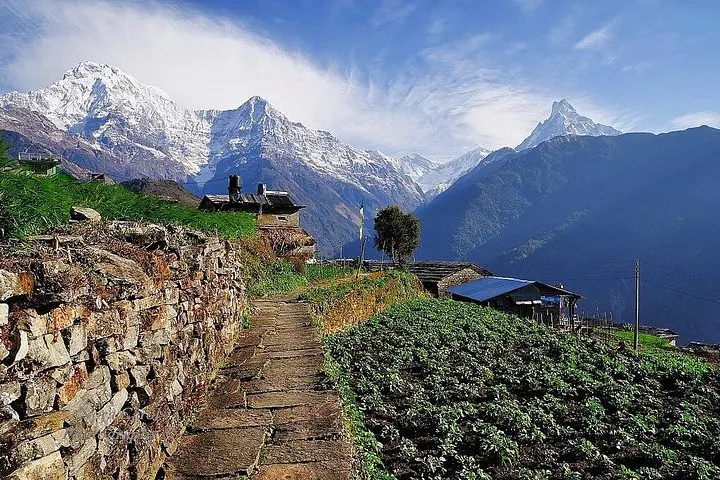
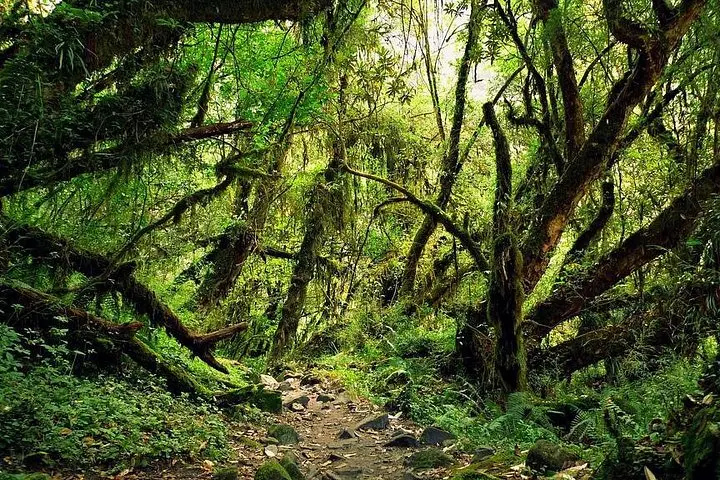
You step off a tourist bus into a street that still smells of wood smoke and wet earth — Pokhara’s skyline sliced by Fishtail’s serrated silhouette. The first day is a long, curvy drive from Kathmandu; after that the trail contracts into rice-terraced switchbacks, shady rhododendron, and small Gurung villages where children wave from stone walls.
You step off a tourist bus into a street that still smells of wood smoke and wet earth — Pokhara’s skyline sliced by Fishtail’s serrated silhouette. The first day is a long, curvy drive from Kathmandu; after that the trail contracts into rice-terraced switchbacks, shady rhododendron, and small Gurung villages where children wave from stone walls.
This lower Annapurna route stays modest in altitude (highest point about 1,730 m) and moves through the region’s foothill geology — deforested valleys, river gravels, and fertile terraced slopes carved over generations. Culturally, the trek threads Gurung villages and their hospitality: simple guesthouses, shared family meals, and local songs at the welcome dinner. The trail ends at Begnas Lake, roughly 30 km east of Pokhara, where boating and relaxed lakeside evenings replace backpacks and boots.
Practically, expect 3–5 hours of walking on most days over dirt tracks, short uphill pitches, and a few river crossings; one-day jeep transfers shorten approaches. The itinerary is deliberately gentle — suited for beginners and children with moderate fitness. Guides and porters typically carry group gear; operators often handle local permits and logistics. Bring sturdy footwear, layered clothing for cool mornings, a light rain shell for monsoon months, and small-day packs for snacks and water. Hydration, steady pacing for kids, and early starts to avoid afternoon heat will make the days easier. The reward is low-altitude Himalayan views, quiet villages, and the kind of manageable, multi-day rhythm that introduces families to trekking without extreme altitude or technical terrain.