THE ADVENTURE COLLECTIVE® · Independent discovery and booking for outdoor travel

Nine days of offroad travel, hikes, swims and bush camping through the Kimberley — from Darwin’s tropical edges to Broome’s pearling coast. Expect remote gorges, helicopter and boat optional add-ons, and nights under exceptional southern skies.
Nine days of offroad travel, hikes, swims and bush camping through the Kimberley — from Darwin’s tropical edges to Broome’s pearling coast. Expect remote gorges, helicopter and boat optional add-ons, and nights under exceptional southern skies.
The land opens like an invitation — red dust lifting under heavy tires, boab trees casting long, patient shadows while a river dares you to stop and swim. Over nine days you move from Darwin’s tropical edges into the Kimberley’s raw interior: salt-spray coasts, steep sandstone ranges, and freshwater holes cool enough to make you forget the heat.
Verified experiences and guided adventures in the surrounding area.
The land opens like an invitation — red dust lifting under heavy tires, boab trees casting long, patient shadows while a river dares you to stop and swim. Over nine days you move from Darwin’s tropical edges into the Kimberley’s raw interior: salt-spray coasts, steep sandstone ranges, and freshwater holes cool enough to make you forget the heat.
This route threads millennia-old Aboriginal country, limestone escarpments carved by seasonal rivers, and the Gibb River Road, itself a modern track through ancient geology. You’ll camp beneath vaulting night skies where Broome’s pearling history and the pastoral heritage of cattle stations intersect with living Aboriginal cultures — look for rock art panels and hear stories about waterway custodianship.
Expect geological variety: quartz ridges, cathedral-like gorges, and the banded domes of the Bungle Bungles (a helicopter option gives the best context). Wildlife is dynamic — freshwater crocs in some pools, agile wallabies on rocky slopes, and raptors riding thermal lifts.
Practical guidance: travel is remote and self-contained — bush camping most nights, communal meals around a camp stove, and long drives between highlights. Carry ample water, sun protection, and a daypack for 2–6 km hikes to waterfalls and lookouts. The dry season (May–September) offers the most reliable access; wet-season travel brings dramatic waterfalls but risky river crossings and fewer open roads.
This itinerary suits travelers ready for dusty roads, early starts, and immersive outback camping. Pace your days, respect local cultural sites, and be prepared for heat, mosquitoes, and spectacular, wide-open silence.
The dry season (May–September) offers the most reliable roads and cooler nights; the wet season brings waterfalls but can close tracks and create hazardous river crossings.
Some pools are inhabited by freshwater crocodiles which are generally shy, while saltwater crocodiles occupy tidal rivers and estuaries — always follow guide advice and only swim where explicitly cleared.
Basic bush camping familiarity is recommended; guides provide communal camp setup and cooking but you should be comfortable sleeping outdoors and managing personal gear.
Helicopter flights over the Bungle Bungles and boat trips on Lake Argyle are often optional add-ons with additional cost — check the itinerary and booking details.
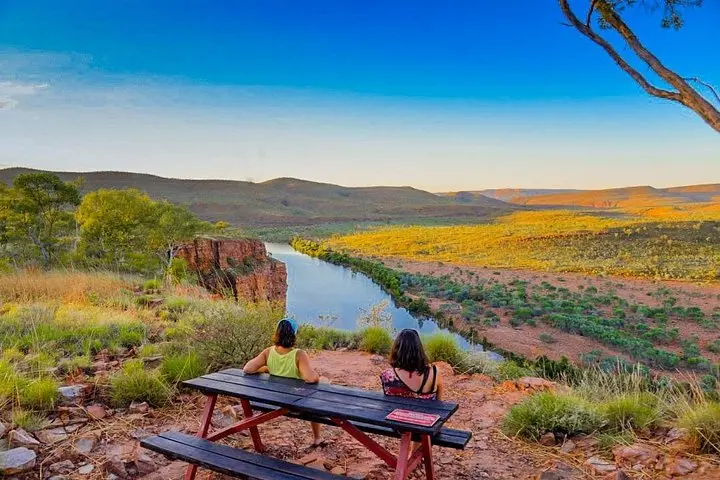
The land opens like an invitation — red dust lifting under heavy tires, boab trees casting long, patient shadows while a river dares you to stop and swim. Over nine days you move from Darwin’s tropical edges into the Kimberley’s raw interior: salt-spray coasts, steep sandstone ranges, and freshwater holes cool enough to make you forget the heat.
The land opens like an invitation — red dust lifting under heavy tires, boab trees casting long, patient shadows while a river dares you to stop and swim. Over nine days you move from Darwin’s tropical edges into the Kimberley’s raw interior: salt-spray coasts, steep sandstone ranges, and freshwater holes cool enough to make you forget the heat.
This route threads millennia-old Aboriginal country, limestone escarpments carved by seasonal rivers, and the Gibb River Road, itself a modern track through ancient geology. You’ll camp beneath vaulting night skies where Broome’s pearling history and the pastoral heritage of cattle stations intersect with living Aboriginal cultures — look for rock art panels and hear stories about waterway custodianship.
Expect geological variety: quartz ridges, cathedral-like gorges, and the banded domes of the Bungle Bungles (a helicopter option gives the best context). Wildlife is dynamic — freshwater crocs in some pools, agile wallabies on rocky slopes, and raptors riding thermal lifts.
Practical guidance: travel is remote and self-contained — bush camping most nights, communal meals around a camp stove, and long drives between highlights. Carry ample water, sun protection, and a daypack for 2–6 km hikes to waterfalls and lookouts. The dry season (May–September) offers the most reliable access; wet-season travel brings dramatic waterfalls but risky river crossings and fewer open roads.
This itinerary suits travelers ready for dusty roads, early starts, and immersive outback camping. Pace your days, respect local cultural sites, and be prepared for heat, mosquitoes, and spectacular, wide-open silence.