THE ADVENTURE COLLECTIVE® · Independent discovery and booking for outdoor travel

A nine-day climb of Kilimanjaro’s Lemosho route walks you through rainforest, the Shira Plateau and alpine desert before a midnight summit push to Uhuru Peak. This guide explains the landscape, logistics, and practical tips to prepare for the ascent.
A nine-day climb of Kilimanjaro’s Lemosho route walks you through rainforest, the Shira Plateau and alpine desert before a midnight summit push to Uhuru Peak. This guide explains the landscape, logistics, and practical tips to prepare for the ascent.
Night on the trail is a patient, hungry thing: headlamps bob like slow-fire beetles through a velvet rainforest, guides' voices low and steady, and the mountain’s bulk rises dark to the east. The Lemosho route takes that first hour through Podocarpus and Juniper stands, where humidity grips your jacket and colobus monkeys inspect the unusual intruders. Over nine days the landscape loosens its hold — forest gives way to heather, heath to the Shira Plateau, and then to the brittle alpine desert where wind scrapes the skin of the world. The final assault begins after midnight, the summit a long ripple of volcanic dust under footlights until Stella Point and the first sun push the horizon apart.
Verified experiences and guided adventures in the surrounding area.
Operated by Kilimanjaro Heroes Adventures · Moshi, Kilimanjaro Region
Night on the trail is a patient, hungry thing: headlamps bob like slow-fire beetles through a velvet rainforest, guides' voices low and steady, and the mountain’s bulk rises dark to the east. The Lemosho route takes that first hour through Podocarpus and Juniper stands, where humidity grips your jacket and colobus monkeys inspect the unusual intruders. Over nine days the landscape loosens its hold — forest gives way to heather, heath to the Shira Plateau, and then to the brittle alpine desert where wind scrapes the skin of the world. The final assault begins after midnight, the summit a long ripple of volcanic dust under footlights until Stella Point and the first sun push the horizon apart.
Lemosho approaches Kilimanjaro from the west and is prized for slow acclimatization and striking variety: you climb from roughly 2,300–2,360 m to Uhuru Peak at 5,895 m, a net gain of about 3,535 m. Geologically Kilimanjaro is a dormant stratovolcano made of layers of lava and ash, crowned by the shrink-ing ice fields of Kibo. Culturally the slopes touch Chagga farmlands around Moshi and the mountain carries deep significance in local legend and livelihood — porters and guides are not just support but keepers of route knowledge.
The itinerary balances effort with rest: most summit days are 3–6 hours of hiking, while the summit push is an 8–10 hour night ascent followed by a steep descent. Weather is a principal actor—dry seasons (June–October, December–March) offer clearer skies; short rains and thicker cloud arrive in other months and can bite temperature and visibility. Operators include park permits, tents, meals, porter service, a first-aid kit, pulse oximeter, and emergency oxygen.
Practical guidance: train with sustained uphill sessions and long hikes wearing your fully packed daypack. Break in waterproof trekking boots and practice using poles on loose scree; the summit descent is dusty sand that will test knees and balance. Layering is crucial—expect sub-zero at Barafu and on summit morning. Hydrate early and often; altitude is insidious, so conserve pace on the ridge and communicate symptoms. Bring a reliable headlamp with fresh batteries for the summit march, and a sleeping bag rated to at least -10°C.
Logistics are straightforward: most groups meet in Moshi with JRO airport pickups available. The Lemosho route’s longer profile raises your summit odds, but weather and acclimatization still determine success. Respect porter weight limits and local hiring practices, pack out what you pack in, and leave the high camps as you found them—Kilimanjaro’s fragile zones need careful footsteps.
Lemosho is considered one of the more gradual routes because of its longer profile and extra acclimatization days, increasing summit success while still requiring strong fitness.
Previous high-altitude experience helps but is not required; you must have good aerobic fitness and complete multi-hour training hikes beforehand.
Altitude sickness, hypothermia on summit morning, falls on loose scree, and dehydration are primary risks; guides monitor symptoms and have emergency oxygen and evacuation plans.
This operator includes guides, porters, meals, tents and basic medical gear; always confirm porter weight limits and gratuity expectations before departure.
Dry windows in January–March and June–October offer clearer weather and higher summit probabilities; short rains occur around March–May and October–November.
Guides will prioritize safety; contingency plans include descending to lower camps, oxygen support if needed, and evacuation to Moshi for medical care.
Kilimanjaro Heroes Adventures operates guided outdoor trips and adventures with an emphasis on safety, stewardship, and memorable experiences.
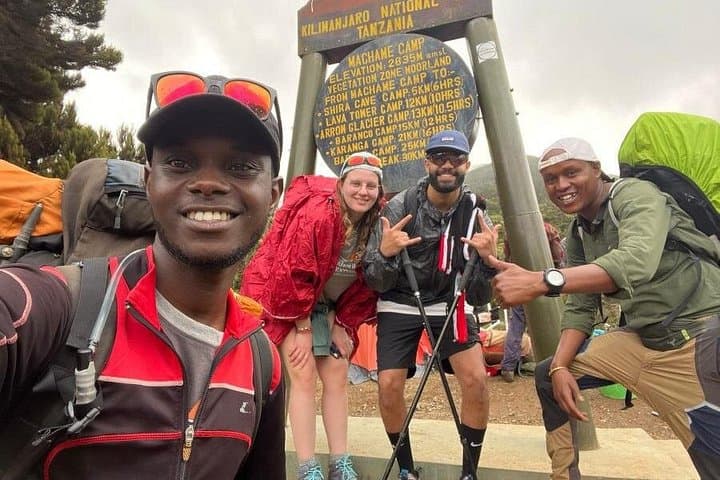
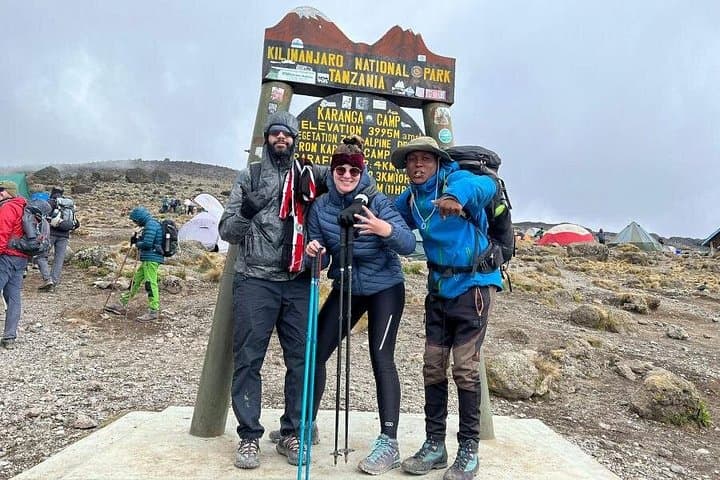
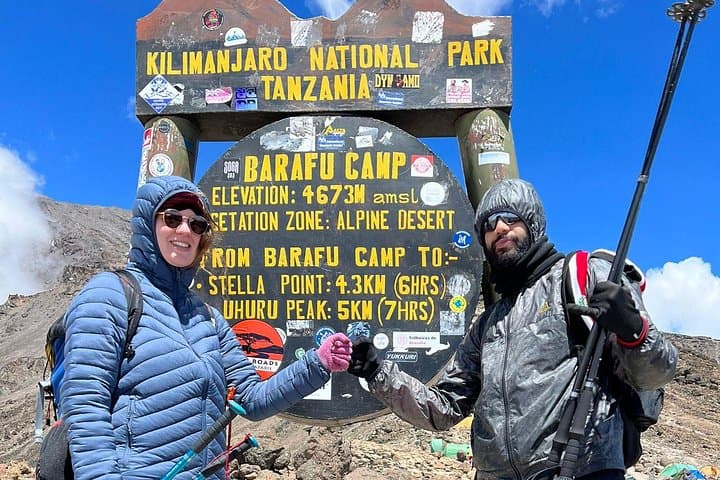

Night on the trail is a patient, hungry thing: headlamps bob like slow-fire beetles through a velvet rainforest, guides' voices low and steady, and the mountain’s bulk rises dark to the east. The Lemosho route takes that first hour through Podocarpus and Juniper stands, where humidity grips your jacket and colobus monkeys inspect the unusual intruders. Over nine days the landscape loosens its hold — forest gives way to heather, heath to the Shira Plateau, and then to the brittle alpine desert where wind scrapes the skin of the world. The final assault begins after midnight, the summit a long ripple of volcanic dust under footlights until Stella Point and the first sun push the horizon apart.
Night on the trail is a patient, hungry thing: headlamps bob like slow-fire beetles through a velvet rainforest, guides' voices low and steady, and the mountain’s bulk rises dark to the east. The Lemosho route takes that first hour through Podocarpus and Juniper stands, where humidity grips your jacket and colobus monkeys inspect the unusual intruders. Over nine days the landscape loosens its hold — forest gives way to heather, heath to the Shira Plateau, and then to the brittle alpine desert where wind scrapes the skin of the world. The final assault begins after midnight, the summit a long ripple of volcanic dust under footlights until Stella Point and the first sun push the horizon apart.
Lemosho approaches Kilimanjaro from the west and is prized for slow acclimatization and striking variety: you climb from roughly 2,300–2,360 m to Uhuru Peak at 5,895 m, a net gain of about 3,535 m. Geologically Kilimanjaro is a dormant stratovolcano made of layers of lava and ash, crowned by the shrink-ing ice fields of Kibo. Culturally the slopes touch Chagga farmlands around Moshi and the mountain carries deep significance in local legend and livelihood — porters and guides are not just support but keepers of route knowledge.
The itinerary balances effort with rest: most summit days are 3–6 hours of hiking, while the summit push is an 8–10 hour night ascent followed by a steep descent. Weather is a principal actor—dry seasons (June–October, December–March) offer clearer skies; short rains and thicker cloud arrive in other months and can bite temperature and visibility. Operators include park permits, tents, meals, porter service, a first-aid kit, pulse oximeter, and emergency oxygen.
Practical guidance: train with sustained uphill sessions and long hikes wearing your fully packed daypack. Break in waterproof trekking boots and practice using poles on loose scree; the summit descent is dusty sand that will test knees and balance. Layering is crucial—expect sub-zero at Barafu and on summit morning. Hydrate early and often; altitude is insidious, so conserve pace on the ridge and communicate symptoms. Bring a reliable headlamp with fresh batteries for the summit march, and a sleeping bag rated to at least -10°C.
Logistics are straightforward: most groups meet in Moshi with JRO airport pickups available. The Lemosho route’s longer profile raises your summit odds, but weather and acclimatization still determine success. Respect porter weight limits and local hiring practices, pack out what you pack in, and leave the high camps as you found them—Kilimanjaro’s fragile zones need careful footsteps.