THE ADVENTURE COLLECTIVE® · Independent discovery and booking for outdoor travel

A nine-day ascent of Kilimanjaro via the Lemosho Route blends remote forests, moorland panoramas and a high-altitude summit push—optionally finishing with an overnight at Crater Camp. This itinerary maximizes acclimatization and gives you the best odds of reaching Uhuru Peak.
A nine-day ascent of Kilimanjaro via the Lemosho Route blends remote forests, moorland panoramas and a high-altitude summit push—optionally finishing with an overnight at Crater Camp. This itinerary maximizes acclimatization and gives you the best odds of reaching Uhuru Peak.
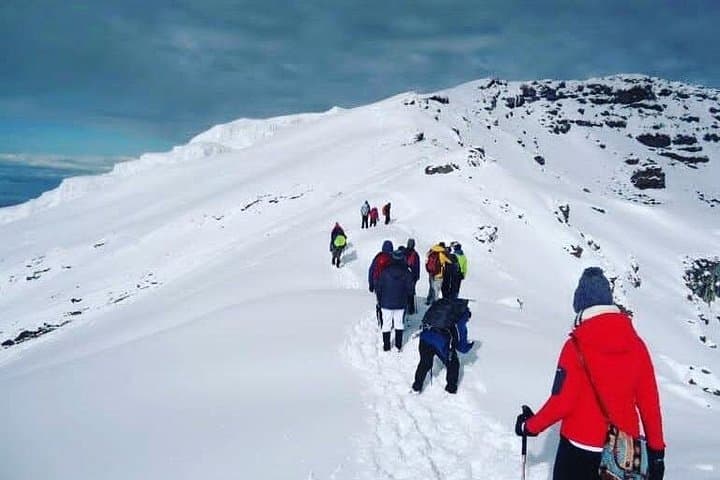
You step out of the van in the thin, bright air and the mountain is immediate: a slab of volcanic ice rising above a ring of clouds. The Lemosho Route doesn’t rush its introductions. The first day’s trail slides through moss-dark forest and into glades where the trees open like a stage curtain, revealing Kibo’s summit hovering distant and indifferent. Over nine days you trade dense rainforest for heather moorland, lava ridges and finally the scree slopes that demand every step.
Verified experiences and guided adventures in the surrounding area.
Operated by Africa Outland Tours · Moshi, Arusha Region
You step out of the van in the thin, bright air and the mountain is immediate: a slab of volcanic ice rising above a ring of clouds. The Lemosho Route doesn’t rush its introductions. The first day’s trail slides through moss-dark forest and into glades where the trees open like a stage curtain, revealing Kibo’s summit hovering distant and indifferent. Over nine days you trade dense rainforest for heather moorland, lava ridges and finally the scree slopes that demand every step.
The route was opened as a more remote alternative to the classic Machame and Marangu tracks. Geologically Kilimanjaro is a giant stratovolcano—Kibo the dormant cone with the permanent ice of Furtwängler Glacier near the rim. Culturally the mountain occupies a complex place in northern Tanzania: a site of spiritual meaning for Chagga communities and a cornerstone of regional tourism that supports guides, porters and conservation efforts in Kilimanjaro National Park.
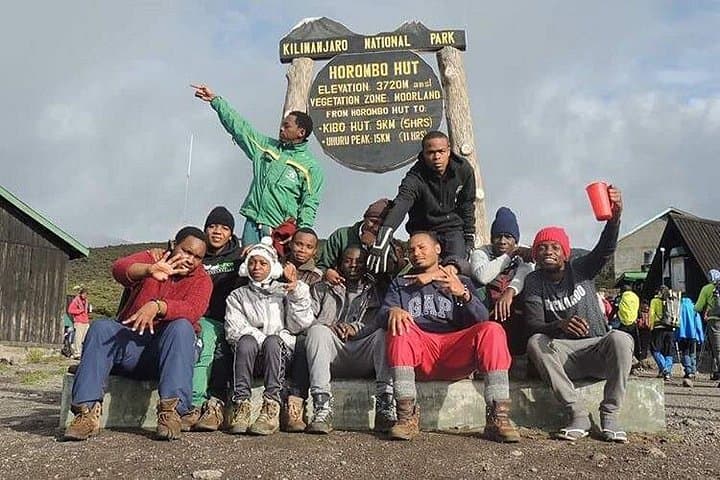
From Big Tree Camp (≈2,780m) you climb to the Shira Plateau (3,500–3,900m), crossing moorland dotted with lobelia and volcanic outcrops. The Lava Tower (4,640m) is a dramatic high-point for lunch, and the steep descent into the Barranco Valley tests quads and focus. Barafu Camp (4,640m) is the staging ground for the summit push to Uhuru Peak (5,895m); the final ascent starts near midnight and threads a narrow, lunar landscape where the wind seems to push you forward.
The optional Crater Camp—sleeping on the crater rim near 5,790m—is for experienced, fit clients who want the rare experience of dawn inside the mountain’s hollow. Descents on scree reward you with faster travel but demand careful balance.
Practicalities matter here. Expect a cumulative elevation gain of roughly 3,100m from Lemosho Gate to Uhuru. Terrain varies: muddy rainforest tracks, soft volcanic sand, hard packed lava, and loose scree. Your itinerary includes tented nights on the mountain, meals (breakfast, lunch, dinner across nine days), and hotel transfers from Arusha—pickups are organized from most city hotels and Kilimanjaro airport.
Acclimatization is the mountain’s currency; the nine-day itinerary is designed to maximize success. Move slow, hydrate constantly, and heed guides—safety and summit success are team efforts. Footwear with solid ankle support, layered insulation for summit night and a reliable headlamp are non-negotiable. Finally, remember your impact: stick to trails, accept porter protocols, and leave no trace—Kilimanjaro’s fragile high-elevation environment relies on responsible stewardship.
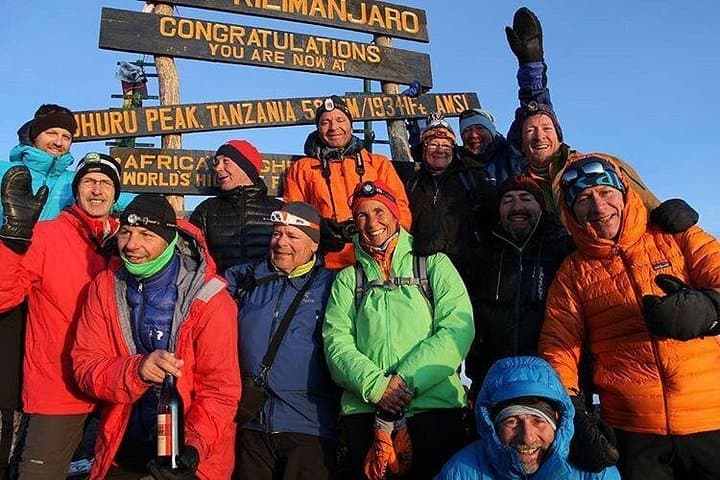
On summit morning, when the sun slices the horizon and Kilimanjaro’s glaciers glow blue, there’s a sharp, clean clarity to standing on Africa’s rooftop. The route’s reward isn’t only the view; it’s the slow accumulation of small victories over nine days—the steady breathing, the saline taste of effort, the quiet nods between climbers and crew that mark a journey made together.
No technical climbing skills are required, but prior high-altitude trekking experience and good fitness are strongly recommended.
Standard packages include professional guides, porters and cooks—confirm specifics with your operator; this itinerary notes private guiding and full support.
June–October and December–February are the most stable windows; a longer nine-day itinerary improves acclimatization and success rates.
Temperatures can drop below -10°C (14°F) at the highest elevations; wind can make perceived temps much lower—insulation is essential.
Tented camps provide basic facilities and there are communal options; at base and gate areas there are proper facilities—bring biodegradable wipes and hand sanitizer.
After descent you complete park formalities and receive a certificate; transfers back to Arusha or Moshi are typically arranged by the operator.
Africa Outland Tours operates guided outdoor trips and adventures with an emphasis on safety, stewardship, and memorable experiences.

You step out of the van in the thin, bright air and the mountain is immediate: a slab of volcanic ice rising above a ring of clouds. The Lemosho Route doesn’t rush its introductions. The first day’s trail slides through moss-dark forest and into glades where the trees open like a stage curtain, revealing Kibo’s summit hovering distant and indifferent. Over nine days you trade dense rainforest for heather moorland, lava ridges and finally the scree slopes that demand every step.
You step out of the van in the thin, bright air and the mountain is immediate: a slab of volcanic ice rising above a ring of clouds. The Lemosho Route doesn’t rush its introductions. The first day’s trail slides through moss-dark forest and into glades where the trees open like a stage curtain, revealing Kibo’s summit hovering distant and indifferent. Over nine days you trade dense rainforest for heather moorland, lava ridges and finally the scree slopes that demand every step.
The route was opened as a more remote alternative to the classic Machame and Marangu tracks. Geologically Kilimanjaro is a giant stratovolcano—Kibo the dormant cone with the permanent ice of Furtwängler Glacier near the rim. Culturally the mountain occupies a complex place in northern Tanzania: a site of spiritual meaning for Chagga communities and a cornerstone of regional tourism that supports guides, porters and conservation efforts in Kilimanjaro National Park.
From Big Tree Camp (≈2,780m) you climb to the Shira Plateau (3,500–3,900m), crossing moorland dotted with lobelia and volcanic outcrops. The Lava Tower (4,640m) is a dramatic high-point for lunch, and the steep descent into the Barranco Valley tests quads and focus. Barafu Camp (4,640m) is the staging ground for the summit push to Uhuru Peak (5,895m); the final ascent starts near midnight and threads a narrow, lunar landscape where the wind seems to push you forward.
The optional Crater Camp—sleeping on the crater rim near 5,790m—is for experienced, fit clients who want the rare experience of dawn inside the mountain’s hollow. Descents on scree reward you with faster travel but demand careful balance.
Practicalities matter here. Expect a cumulative elevation gain of roughly 3,100m from Lemosho Gate to Uhuru. Terrain varies: muddy rainforest tracks, soft volcanic sand, hard packed lava, and loose scree. Your itinerary includes tented nights on the mountain, meals (breakfast, lunch, dinner across nine days), and hotel transfers from Arusha—pickups are organized from most city hotels and Kilimanjaro airport.
Acclimatization is the mountain’s currency; the nine-day itinerary is designed to maximize success. Move slow, hydrate constantly, and heed guides—safety and summit success are team efforts. Footwear with solid ankle support, layered insulation for summit night and a reliable headlamp are non-negotiable. Finally, remember your impact: stick to trails, accept porter protocols, and leave no trace—Kilimanjaro’s fragile high-elevation environment relies on responsible stewardship.
On summit morning, when the sun slices the horizon and Kilimanjaro’s glaciers glow blue, there’s a sharp, clean clarity to standing on Africa’s rooftop. The route’s reward isn’t only the view; it’s the slow accumulation of small victories over nine days—the steady breathing, the saline taste of effort, the quiet nods between climbers and crew that mark a journey made together.