THE ADVENTURE COLLECTIVE® · Independent discovery and booking for outdoor travel

A 9-day circumnavigation of Kibo via the Lemosho and Northern Circuit routes that prioritizes acclimatization and scenery. Expect forested starts, high alpine desert, and a summit push to Uhuru Peak at 5,895m.
A 9-day circumnavigation of Kibo via the Lemosho and Northern Circuit routes that prioritizes acclimatization and scenery. Expect forested starts, high alpine desert, and a summit push to Uhuru Peak at 5,895m.
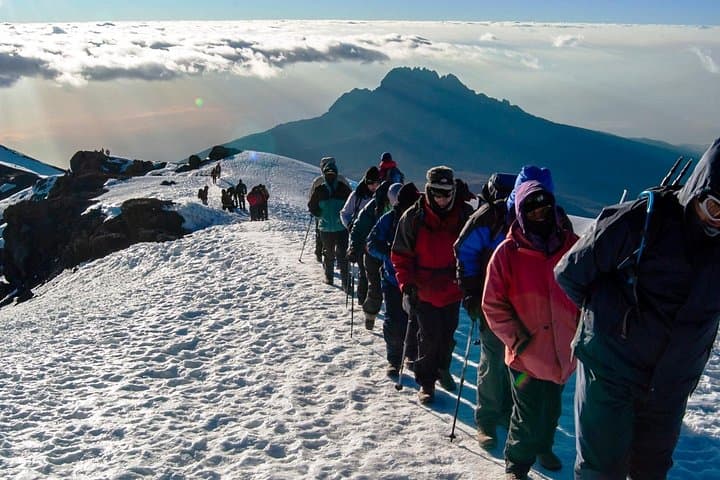
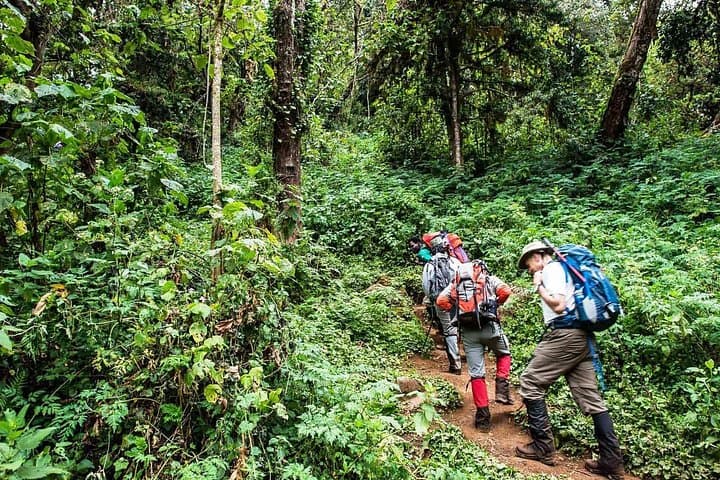
Dawn creeps across the Shira Plateau and the mountain wakes—ice and rock grazing the first light, clouds spilling off the rim like a slow tide. On day one you leave Moshi behind, drive to Londorossi Gate (2,360m) and step into the rainforest where humidity clings to your jacket and colobus monkeys call overhead.
Verified experiences and guided adventures in the surrounding area.
Operated by Best Choice Tanzania Safaris · Moshi, Kilimanjaro Region
Dawn creeps across the Shira Plateau and the mountain wakes—ice and rock grazing the first light, clouds spilling off the rim like a slow tide. On day one you leave Moshi behind, drive to Londorossi Gate (2,360m) and step into the rainforest where humidity clings to your jacket and colobus monkeys call overhead.
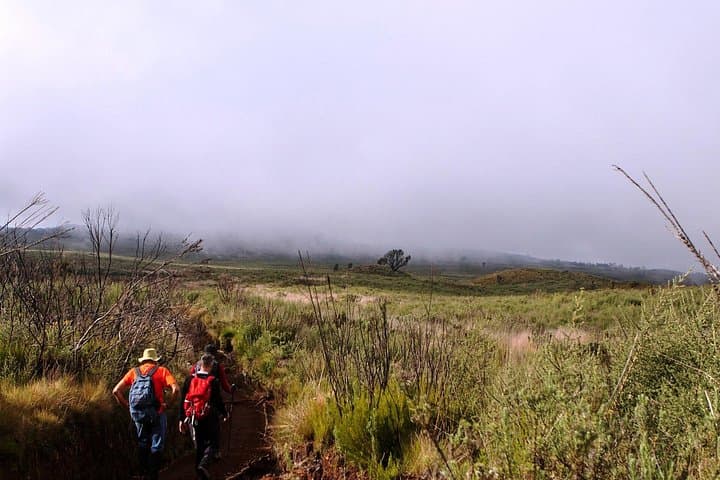
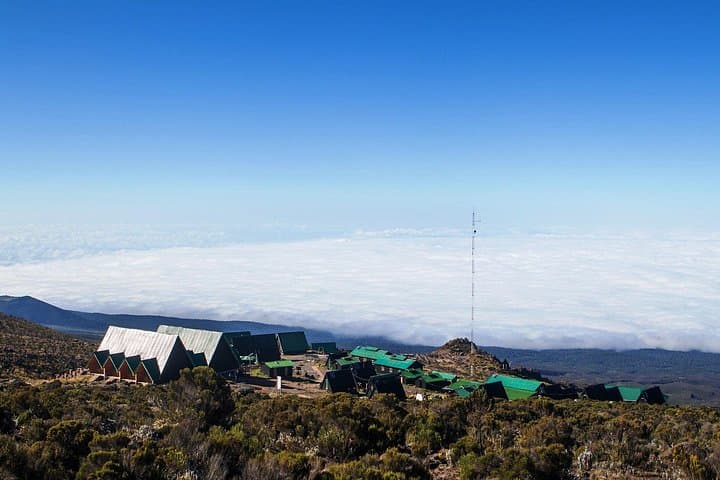
The Lemosho Route threads west-to-north around Kibo, crossing heath, moorland and an alpine desert. Geologically Kilimanjaro is a dormant stratovolcano with three volcanic cones—Kibo (the highest), Mawenzi and Shira—shaped by ancient eruptions and millennia of erosion. Culturally the mountain sits in Chagga territory; long-standing porter and guide traditions shape the summit experience and local villages around Moshi and Arusha provide logistical lifelines.
Expect varied terrain: 6–8 km days through forest and plateau, a key acclimatization climb to Lava Tower (~4,600m), and the long summit push from School Hut to Uhuru Peak at 5,895m—commonly a 14–16 hour round trip with steep scree and thin air. Nature on Kilimanjaro has agency—winds will push at your headlamp near Gilman’s Point, and the sun will hammer your layers on the descent.
Practical guidance: pace conservatively, prioritize sleep and snacking on summit night, and use a layered system for 0–20°C swings. Bring gaiters and poles for scree descents, and budget time for rain and muddy lower trails. Respect porter loads and the park’s Leave No Trace rules: pack out waste, follow your guide’s briefings, and plan for a multi-day rhythm—slow steps, steady breath.
No technical climbing skills or ropes are required; the route is a high-altitude trek, but you must be prepared for steep scree sections and prolonged exertion.
Dry months—late June to October and January to February—offer more stable weather, though the mountain can be climbed year-round with variable conditions.
Altitude sickness is common; guides monitor symptoms, enforce pacing, and the itinerary includes acclimatization days. Medications like acetazolamide may be recommended—consult your physician.
Guides and porters are included in most packages; tipping is customary and supports local livelihoods—budget accordingly and follow your operator's guidance.
Best Choice Tanzania Safaris operates guided outdoor trips and adventures with an emphasis on safety, stewardship, and memorable experiences.
Dawn creeps across the Shira Plateau and the mountain wakes—ice and rock grazing the first light, clouds spilling off the rim like a slow tide. On day one you leave Moshi behind, drive to Londorossi Gate (2,360m) and step into the rainforest where humidity clings to your jacket and colobus monkeys call overhead.
Dawn creeps across the Shira Plateau and the mountain wakes—ice and rock grazing the first light, clouds spilling off the rim like a slow tide. On day one you leave Moshi behind, drive to Londorossi Gate (2,360m) and step into the rainforest where humidity clings to your jacket and colobus monkeys call overhead.
The Lemosho Route threads west-to-north around Kibo, crossing heath, moorland and an alpine desert. Geologically Kilimanjaro is a dormant stratovolcano with three volcanic cones—Kibo (the highest), Mawenzi and Shira—shaped by ancient eruptions and millennia of erosion. Culturally the mountain sits in Chagga territory; long-standing porter and guide traditions shape the summit experience and local villages around Moshi and Arusha provide logistical lifelines.
Expect varied terrain: 6–8 km days through forest and plateau, a key acclimatization climb to Lava Tower (~4,600m), and the long summit push from School Hut to Uhuru Peak at 5,895m—commonly a 14–16 hour round trip with steep scree and thin air. Nature on Kilimanjaro has agency—winds will push at your headlamp near Gilman’s Point, and the sun will hammer your layers on the descent.
Practical guidance: pace conservatively, prioritize sleep and snacking on summit night, and use a layered system for 0–20°C swings. Bring gaiters and poles for scree descents, and budget time for rain and muddy lower trails. Respect porter loads and the park’s Leave No Trace rules: pack out waste, follow your guide’s briefings, and plan for a multi-day rhythm—slow steps, steady breath.