THE ADVENTURE COLLECTIVE® · Independent discovery and booking for outdoor travel

Combine high-impact game drives across Tarangire, the Serengeti and Ngorongoro with a relaxed finish on Zanzibar’s white-sand beaches. This 9-day luxury itinerary pairs daily wildlife viewing with curated lodge comfort and island-time recovery.
Combine high-impact game drives across Tarangire, the Serengeti and Ngorongoro with a relaxed finish on Zanzibar’s white-sand beaches. This 9-day luxury itinerary pairs daily wildlife viewing with curated lodge comfort and island-time recovery.
The morning sun slides across acacia crowns as your safari jeep eases out of Arusha — dust lifting, engines low, the plain already awake. You’ll taste that first mix of adrenaline and ease on Tarangire’s elephant-lined avenues, then move across the wide grasses of the Serengeti where horizons push your view lines flat and a skeletal baobab keeps silent watch.
Verified experiences and guided adventures in the surrounding area.
Operated by African polecat safaris · Arusha, Arusha Region
The morning sun slides across acacia crowns as your safari jeep eases out of Arusha — dust lifting, engines low, the plain already awake. You’ll taste that first mix of adrenaline and ease on Tarangire’s elephant-lined avenues, then move across the wide grasses of the Serengeti where horizons push your view lines flat and a skeletal baobab keeps silent watch.
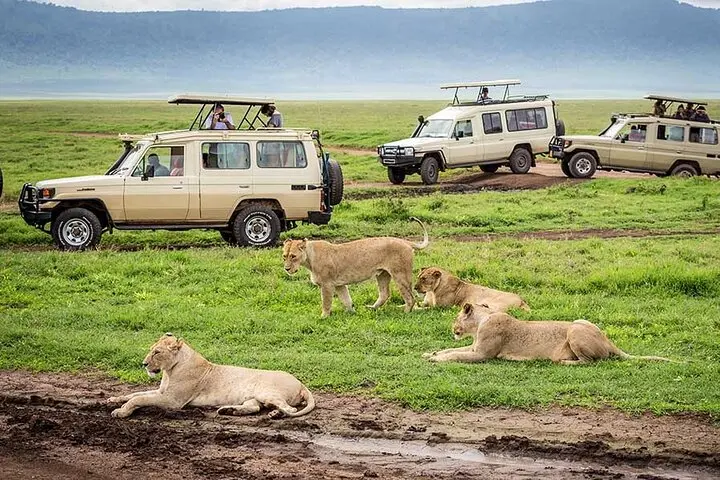
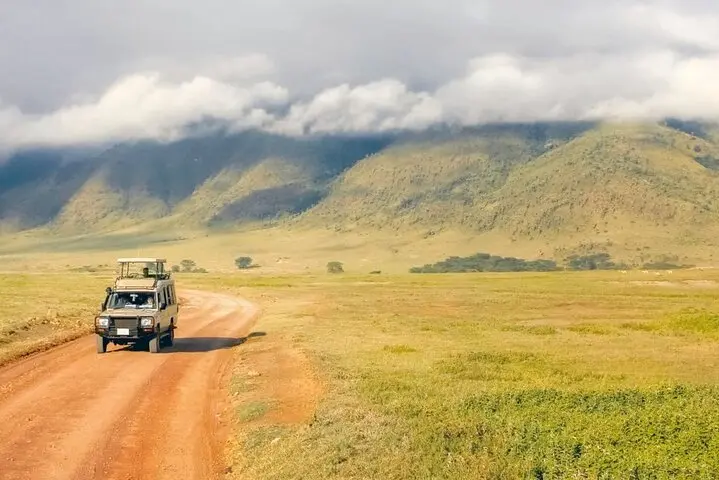
This itinerary threads classic East African highlights: Tarangire’s seasonal waterholes and elephant herds, the moody escarpments and Maasai culture around Ngorongoro, and the Serengeti’s sweeping plains renowned for predator-prey choreography. Then the rhythm shifts — a short flight to Zanzibar trades savanna wind for Indian Ocean trade breezes, historic Stone Town alleys, and the reef-fringed sands of Nungwi and Nakupenda.
Expect luxury lodges and a tented camp that balance comfort with proximity to wildlife; game drives leave at dawn to chase active predators and cool light. Learn a little geology as you stand on the Ngorongoro Crater rim — an ancient volcanic caldera now dense with life — and notice how coral rag and mangrove shape Zanzibar’s coastline and culture.
Practical guidance: travel light but layer, bring binoculars and reef-safe sunscreen, and plan full days for drives with picnic lunches provided. Peak wildlife viewing is typically in the dry months (June–October), while Zanzibar is best visited January–February for calm seas. Malaria protection, travel insurance, and flexible timing for flights between mainland and island will keep the trip smooth.
This combination trip moves from kinetic wildlife viewing to calm beach time, offering both high-impact safari encounters and practical seaside downtime to recover and reflect.
Most itineraries include a short domestic flight from Arusha or Kilimanjaro to Zanzibar; allow buffer time for connections and airport transfers included by the operator.
The dry season (June–October) concentrates animals around water sources and generally offers the clearest game-viewing conditions.
Yes — this tour mixes luxury lodges with an upscale tented camp that provides comfortable beds, en-suite facilities, and hot meals.
Required and recommended vaccinations vary by country and traveler; consult a travel health specialist for yellow fever, routine vaccines, and malaria prophylaxis advice.
African polecat safaris operates guided outdoor trips and adventures with an emphasis on safety, stewardship, and memorable experiences.
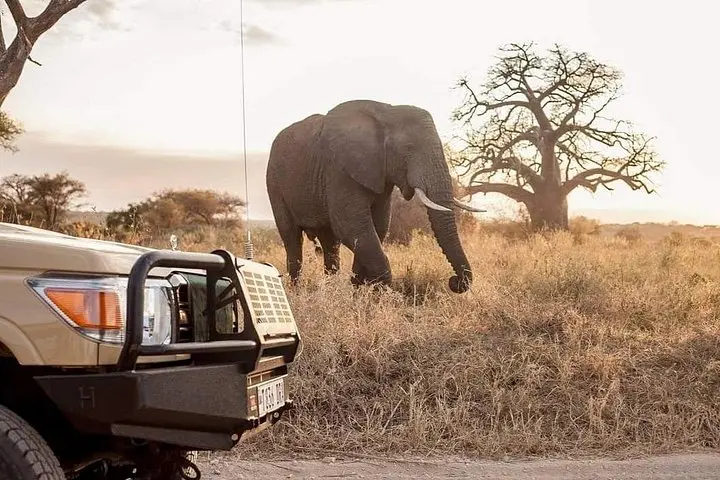
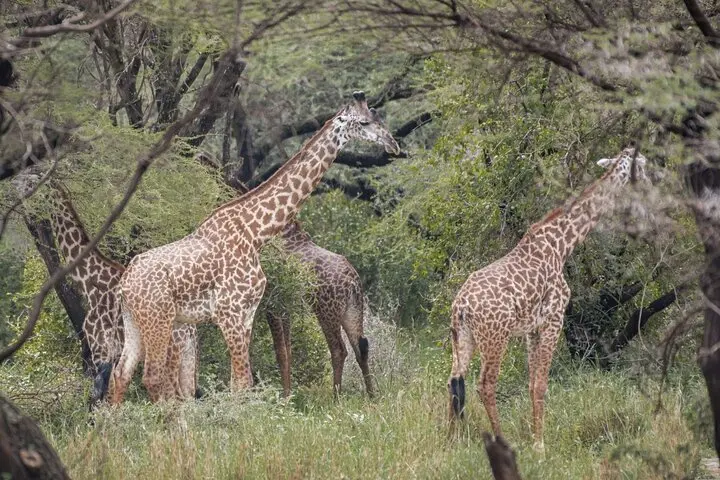
The morning sun slides across acacia crowns as your safari jeep eases out of Arusha — dust lifting, engines low, the plain already awake. You’ll taste that first mix of adrenaline and ease on Tarangire’s elephant-lined avenues, then move across the wide grasses of the Serengeti where horizons push your view lines flat and a skeletal baobab keeps silent watch.
The morning sun slides across acacia crowns as your safari jeep eases out of Arusha — dust lifting, engines low, the plain already awake. You’ll taste that first mix of adrenaline and ease on Tarangire’s elephant-lined avenues, then move across the wide grasses of the Serengeti where horizons push your view lines flat and a skeletal baobab keeps silent watch.
This itinerary threads classic East African highlights: Tarangire’s seasonal waterholes and elephant herds, the moody escarpments and Maasai culture around Ngorongoro, and the Serengeti’s sweeping plains renowned for predator-prey choreography. Then the rhythm shifts — a short flight to Zanzibar trades savanna wind for Indian Ocean trade breezes, historic Stone Town alleys, and the reef-fringed sands of Nungwi and Nakupenda.
Expect luxury lodges and a tented camp that balance comfort with proximity to wildlife; game drives leave at dawn to chase active predators and cool light. Learn a little geology as you stand on the Ngorongoro Crater rim — an ancient volcanic caldera now dense with life — and notice how coral rag and mangrove shape Zanzibar’s coastline and culture.
Practical guidance: travel light but layer, bring binoculars and reef-safe sunscreen, and plan full days for drives with picnic lunches provided. Peak wildlife viewing is typically in the dry months (June–October), while Zanzibar is best visited January–February for calm seas. Malaria protection, travel insurance, and flexible timing for flights between mainland and island will keep the trip smooth.
This combination trip moves from kinetic wildlife viewing to calm beach time, offering both high-impact safari encounters and practical seaside downtime to recover and reflect.