THE ADVENTURE COLLECTIVE® · Independent discovery and booking for outdoor travel

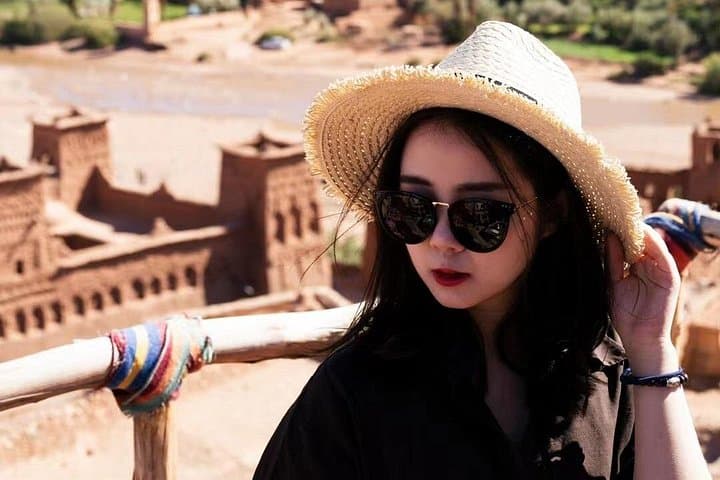
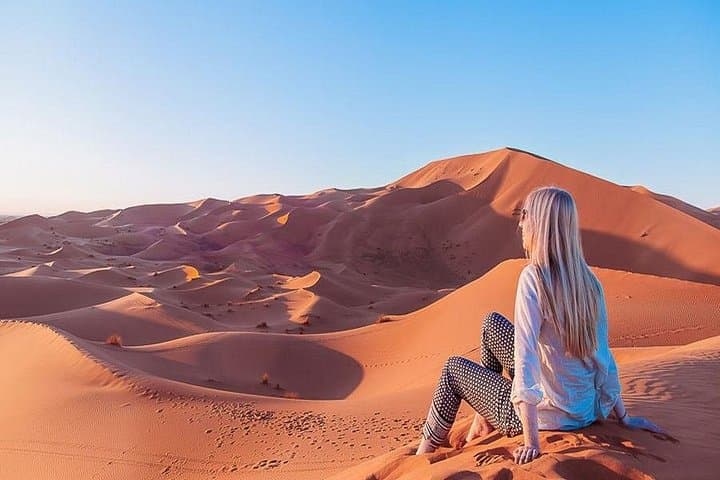
A compact nine-day loop from Casablanca that pairs Morocco’s imperial cities with the Rif and Atlas highlands and an overnight under the Sahara stars. Expect medina walks, cedar forests, the Erg Chebbi dunes, and classic kasbah architecture.
A compact nine-day loop from Casablanca that pairs Morocco’s imperial cities with the Rif and Atlas highlands and an overnight under the Sahara stars. Expect medina walks, cedar forests, the Erg Chebbi dunes, and classic kasbah architecture.
You step out of Casablanca’s airport into humid Atlantic air, the Hassan II Mosque rising on the horizon like a city-scale gateway. The next nine days move like a well-paced novel — coastal boulevards and royal gates give way to blue alleys, cedar forests, high mountain passes, and the slow, bright silence of Erg Chebbi.
Verified experiences and guided adventures in the surrounding area.
Operated by Tilila Travel · Casablanca, Casablanca-Settat
You step out of Casablanca’s airport into humid Atlantic air, the Hassan II Mosque rising on the horizon like a city-scale gateway. The next nine days move like a well-paced novel — coastal boulevards and royal gates give way to blue alleys, cedar forests, high mountain passes, and the slow, bright silence of Erg Chebbi.
This itinerary threads Morocco’s long history of trade and empire: Roman roads and caravan tracks beneath the High Atlas, fortified ksars that once stored goods and olive oil, and medinas shaped over centuries by Berber, Arab and Andalusi interactions. Geology drives the scenery — limestone gorges carve narrow walls at Todra, while wind-sculpted sand builds the seaward-facing dunes of the Sahara. Culturally, markets and cooperatives are living archives: tanneries, tile workshops, and women’s argan presses preserve methods unchanged for generations.
Practical guidance: travel is by air-conditioned vehicle with short walks in medinas, an overnight in a Berber tent, and a guided camel transfer on the dunes. Expect varied surfaces — cobbled alleys, paved roads, gravel valley tracks and soft sand — and temperature swings between desert nights and mountain days. Bring layered clothing, sturdy walking shoes, sun protection, and a small daypack for water and camera gear. Rise early at Merzouga for the most dramatic light on the dunes and plan slower mornings after long drives. The route is accessible for most travelers but carries the steady rhythm of travel: moving days followed by concentrated walking and local exploration.
The tour is low-impact overall: most travel is by vehicle, with walking in medinas, short hikes at gorges and a camel trek in the dunes. Average fitness is sufficient.
You’ll stay in a Berber tent with basic bedding; camps often provide dinner and a hot shower option at a nearby riad before the camp night.
Visa requirements depend on nationality; many Western passport holders receive a 90-day visa on arrival, but confirm with your consulate before travel.
Children can join, but note camel rides and long travel days; the operator lists infant seats and stroller access but advises checking age policies for desert activities.
Tilila Travel operates guided outdoor trips and adventures with an emphasis on safety, stewardship, and memorable experiences.

You step out of Casablanca’s airport into humid Atlantic air, the Hassan II Mosque rising on the horizon like a city-scale gateway. The next nine days move like a well-paced novel — coastal boulevards and royal gates give way to blue alleys, cedar forests, high mountain passes, and the slow, bright silence of Erg Chebbi.
You step out of Casablanca’s airport into humid Atlantic air, the Hassan II Mosque rising on the horizon like a city-scale gateway. The next nine days move like a well-paced novel — coastal boulevards and royal gates give way to blue alleys, cedar forests, high mountain passes, and the slow, bright silence of Erg Chebbi.
This itinerary threads Morocco’s long history of trade and empire: Roman roads and caravan tracks beneath the High Atlas, fortified ksars that once stored goods and olive oil, and medinas shaped over centuries by Berber, Arab and Andalusi interactions. Geology drives the scenery — limestone gorges carve narrow walls at Todra, while wind-sculpted sand builds the seaward-facing dunes of the Sahara. Culturally, markets and cooperatives are living archives: tanneries, tile workshops, and women’s argan presses preserve methods unchanged for generations.
Practical guidance: travel is by air-conditioned vehicle with short walks in medinas, an overnight in a Berber tent, and a guided camel transfer on the dunes. Expect varied surfaces — cobbled alleys, paved roads, gravel valley tracks and soft sand — and temperature swings between desert nights and mountain days. Bring layered clothing, sturdy walking shoes, sun protection, and a small daypack for water and camera gear. Rise early at Merzouga for the most dramatic light on the dunes and plan slower mornings after long drives. The route is accessible for most travelers but carries the steady rhythm of travel: moving days followed by concentrated walking and local exploration.