THE ADVENTURE COLLECTIVE® · Independent discovery and booking for outdoor travel

Traverse Morocco’s coastal cities, mountain passes and the Sahara in nine immersive days. This guided route links Casablanca with Chefchaouen, Fes, Merzouga and Marrakech while balancing cultural visits, light trekking and a desert overnight.
Traverse Morocco’s coastal cities, mountain passes and the Sahara in nine immersive days. This guided route links Casablanca with Chefchaouen, Fes, Merzouga and Marrakech while balancing cultural visits, light trekking and a desert overnight.
You step off the Casablanca pavement into a city of scale—mosques and seafront wind, the call to prayer threading through the morning air—then fold inland toward the Rif and High Atlas where landscapes change like pages.
Verified experiences and guided adventures in the surrounding area.
Operated by Tours Morocco · Casablanca, Casablanca-Settat
You step off the Casablanca pavement into a city of scale—mosques and seafront wind, the call to prayer threading through the morning air—then fold inland toward the Rif and High Atlas where landscapes change like pages.
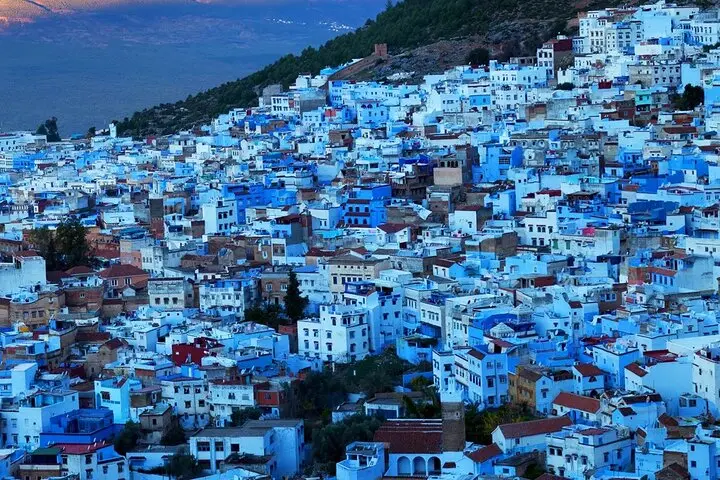
Over nine days the route moves from Atlantic façades to blue-washed alleys, Roman ruins, cedar groves and the Sahara. Rabat’s Hassan Tower and Meknes’ Bab Mansour speak to Morocco’s imperial history; Volubilis lays out Roman mosaics on a sun-warmed plain. Geologically, the tour tracks from coastal plain into the folded limestone and schist of the Atlas, climbing the Tizi n’Tichka pass (about 2,260 m) before descending into ochre valleys and the wind-sculpted erg of Merzouga.
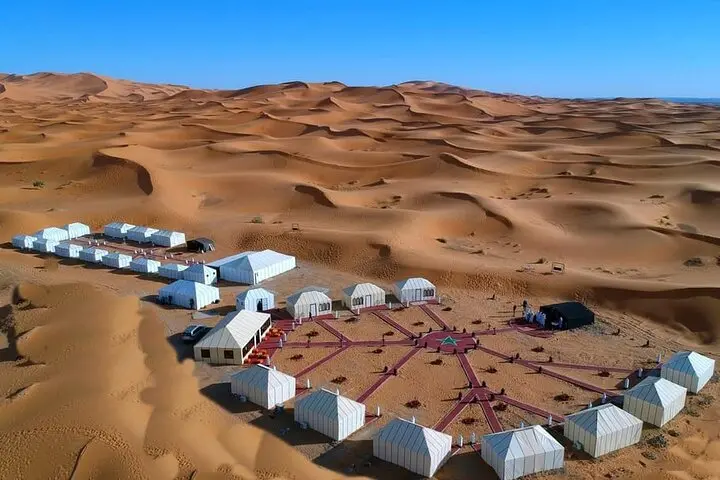
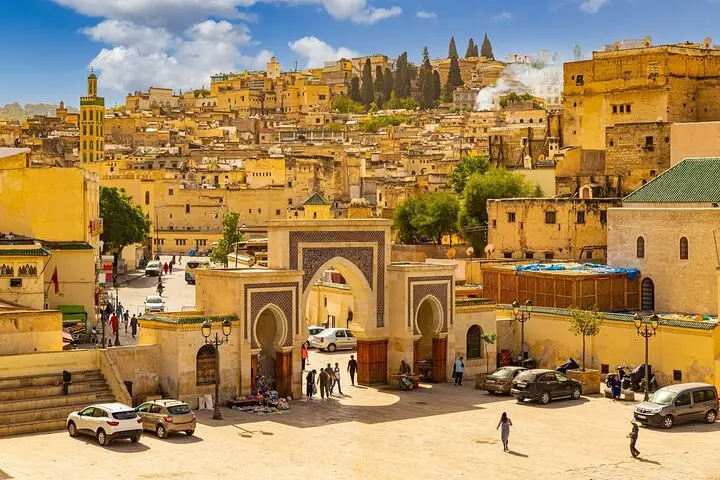
Culturally, expect slow-paced medina life—artisan workshops, mint tea ritual, and Berber villages where languages and hospitality trace older maps than modern borders. In the desert a camel caravan at dusk gives way to a star-dense night; dunes rise and shift as if testing your attention.
Practically: prepare for long driving days (several 4–8 hour stretches), early starts, and varied temperatures—hot in the day, chilly at night in the desert and at altitude. Bring layered clothing, sun protection, and comfortable walking shoes for cobbled medinas. Hydrate on the road and carry local currency for small purchases and tips. Your guide handles logistics and most entries, but carry copies of travel documents and a flexible attitude: road schedules and weather can reshape timings. The trip balances scenic variety with straightforward logistics—ideal for travelers who want an intensive survey of Morocco’s landscapes and cultural highlights without technical demands.
Visa requirements depend on your nationality—check Morocco’s entry rules in advance and ensure your passport has at least six months validity.
The camel ride is short and gentle for most travelers; sleeping in a luxury desert camp is comfortable with basic mattress and blanket options, though nights can be cold.
Breakfasts are included each day; some dinners are listed in the itinerary—confirm specifics with the operator for any additional meals or dietary needs.
The itinerary notes it is suitable for all physical levels; however, lengthy drives and uneven surfaces mean children and those with mobility limits should consider transfer pace and accommodations.
Tours Morocco operates guided outdoor trips and adventures with an emphasis on safety, stewardship, and memorable experiences.
You step off the Casablanca pavement into a city of scale—mosques and seafront wind, the call to prayer threading through the morning air—then fold inland toward the Rif and High Atlas where landscapes change like pages.
You step off the Casablanca pavement into a city of scale—mosques and seafront wind, the call to prayer threading through the morning air—then fold inland toward the Rif and High Atlas where landscapes change like pages.
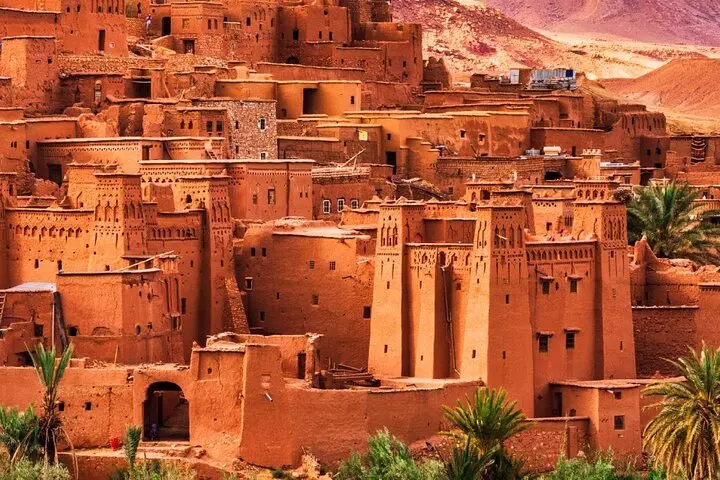
Over nine days the route moves from Atlantic façades to blue-washed alleys, Roman ruins, cedar groves and the Sahara. Rabat’s Hassan Tower and Meknes’ Bab Mansour speak to Morocco’s imperial history; Volubilis lays out Roman mosaics on a sun-warmed plain. Geologically, the tour tracks from coastal plain into the folded limestone and schist of the Atlas, climbing the Tizi n’Tichka pass (about 2,260 m) before descending into ochre valleys and the wind-sculpted erg of Merzouga.
Culturally, expect slow-paced medina life—artisan workshops, mint tea ritual, and Berber villages where languages and hospitality trace older maps than modern borders. In the desert a camel caravan at dusk gives way to a star-dense night; dunes rise and shift as if testing your attention.
Practically: prepare for long driving days (several 4–8 hour stretches), early starts, and varied temperatures—hot in the day, chilly at night in the desert and at altitude. Bring layered clothing, sun protection, and comfortable walking shoes for cobbled medinas. Hydrate on the road and carry local currency for small purchases and tips. Your guide handles logistics and most entries, but carry copies of travel documents and a flexible attitude: road schedules and weather can reshape timings. The trip balances scenic variety with straightforward logistics—ideal for travelers who want an intensive survey of Morocco’s landscapes and cultural highlights without technical demands.