THE ADVENTURE COLLECTIVE® · Independent discovery and booking for outdoor travel

Circumnavigate Kilimanjaro’s quieter northern slopes on this nine‑day Lemosho/Northern Circuit route — longer acclimatization, fewer crowds, and a summit push that rewards steady pacing. Read what to expect, how to prepare, and key route highlights.
Circumnavigate Kilimanjaro’s quieter northern slopes on this nine‑day Lemosho/Northern Circuit route — longer acclimatization, fewer crowds, and a summit push that rewards steady pacing. Read what to expect, how to prepare, and key route highlights.
You step out of the jeep at the Londorossi gate and the mountain takes shape slowly: a green wall of rainforest that swallows the road, mist dangling from broad-leaf trees while porters tighten tent guylines and guides check permits. The first day is humid and sticky; the trail is alive with chattering birds and the steady rhythm of boot and staff. Over nine days the landscape will change from damp understorey to open moorland, then to alien, wind-swept lava fields and finally the brittle, blue-white world of glacier and snow at Uhuru Peak.
Verified experiences and guided adventures in the surrounding area.
Operated by ALMIGHTY KILIMANJARO · Moshi, Kilimanjaro Region
You step out of the jeep at the Londorossi gate and the mountain takes shape slowly: a green wall of rainforest that swallows the road, mist dangling from broad-leaf trees while porters tighten tent guylines and guides check permits. The first day is humid and sticky; the trail is alive with chattering birds and the steady rhythm of boot and staff. Over nine days the landscape will change from damp understorey to open moorland, then to alien, wind-swept lava fields and finally the brittle, blue-white world of glacier and snow at Uhuru Peak.
The Northern Circuit follows the Lemosho approach before curving around Kilimanjaro’s quieter northern slopes — the longest route by distance and time. Geologically Kilimanjaro is a dormant stratovolcano made of three cones: Kibo, Mawenzi and Shira. Kibo is the peak you climb, its summit crater guarded by remnant glaciers and ancient lava flows that shaped high basalt plateaus like the Shira Plateau. Culturally the climb threads through Chagga farmland and small Moshi villages — fields of bananas and coffee farms give way to heath zones where giant lobelia and senecio stand like otherworldly sentries.
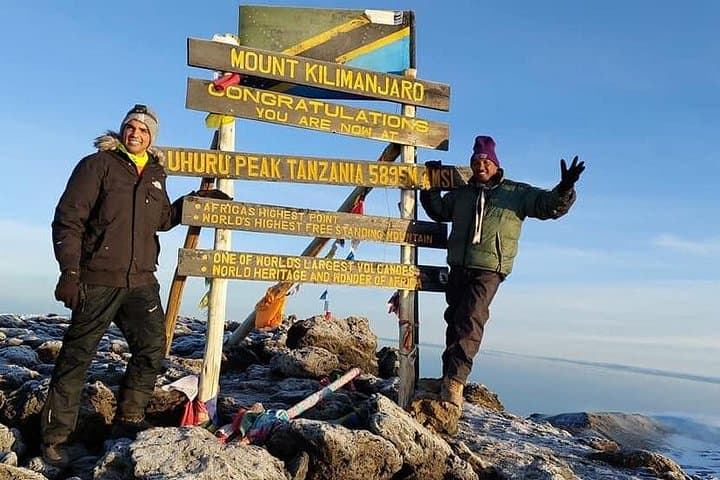
What makes the Northern Circuit prized is time. Longer days at 3,500–4,500 m improve acclimatization: nights on Shira Plateau, a purposeful detour to Lava Tower and the slow arc around Kibo give your body a better chance at Uhuru. The summit push begins around midnight from School Hut; expect a long, cold climb over scree to Stella Point and then Uhuru Peak at 5,895 m with a sunrise that rewards hours of focused trudging.
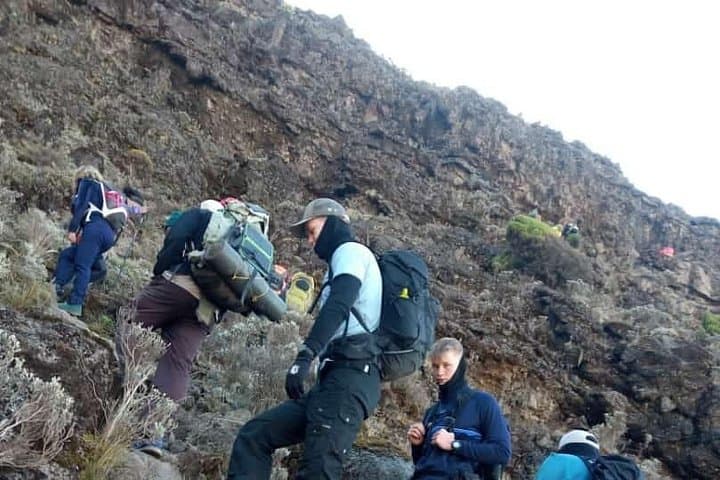
Practical notes: this is not technical mountaineering — no ropes or crampons required on the standard route — but it is high-altitude trekking. Train with long hikes and stair climbs, and practice with a loaded pack. Hydration and pacing are the largest controls against altitude illness: aim for 3–4 L of fluids per day and keep a steady rhythm of walking and resting. Pack layered clothing for big temperature swings, and bring gaiters and trekking poles for muddy rainforest descents and unstable scree on the upper slopes. Respect your crew: tipping and following their pacing and advice keeps teams safe and motivated.
Logistics are straightfoward: most teams start from Moshi (transfer ~45 minutes to gate), camping on mountain platforms each night. Permits and fees are handled by operators; choose a provider that includes trained guides, proper cooking staff and adequate sleeping tents. With an honest plan, patient pacing and an experienced crew, the Northern Circuit gives the best odds for success and the quiet, panoramic approach few other routes offer.
No. The Northern Circuit is non‑technical; the summit push is strenuous but does not require ropes or ice axes on the standard route.
Dry months (January–March and June–October) have more stable weather and clearer summit views, though the route is open year‑round.
Risk exists for every climber; the Northern Circuit reduces risk through longer acclimatization, but monitor symptoms and follow guides’ advice.
Reputable operators include permits, park fees and camping equipment; confirm before booking to avoid surprises.
Guided groups usually range up to 15; smaller private groups are often possible for an extra cost.
Porters carry communal tents and cooking equipment plus a portion of personal gear (typical porter limit ~15 kg); bring a comfortable daypack for summit essentials.
ALMIGHTY KILIMANJARO operates guided outdoor trips and adventures with an emphasis on safety, stewardship, and memorable experiences.
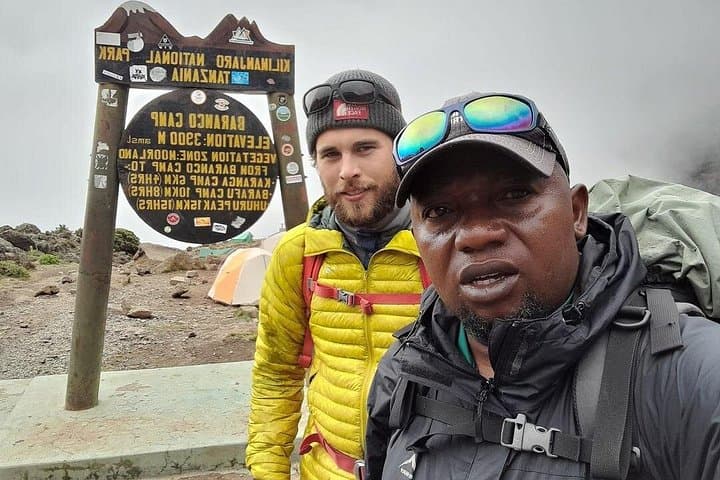
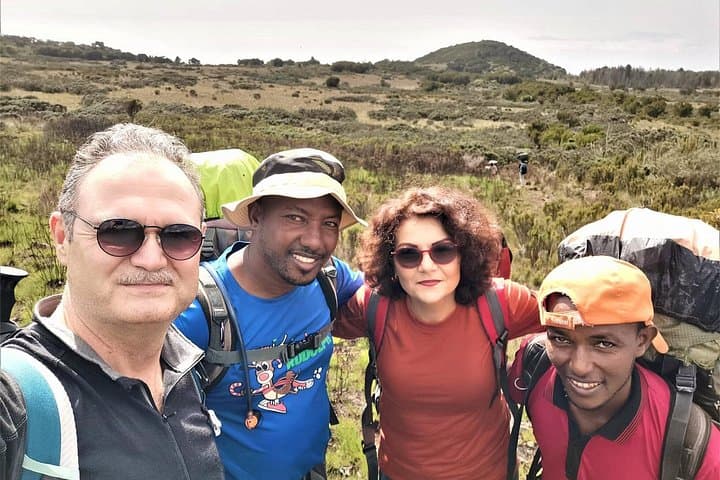
You step out of the jeep at the Londorossi gate and the mountain takes shape slowly: a green wall of rainforest that swallows the road, mist dangling from broad-leaf trees while porters tighten tent guylines and guides check permits. The first day is humid and sticky; the trail is alive with chattering birds and the steady rhythm of boot and staff. Over nine days the landscape will change from damp understorey to open moorland, then to alien, wind-swept lava fields and finally the brittle, blue-white world of glacier and snow at Uhuru Peak.
You step out of the jeep at the Londorossi gate and the mountain takes shape slowly: a green wall of rainforest that swallows the road, mist dangling from broad-leaf trees while porters tighten tent guylines and guides check permits. The first day is humid and sticky; the trail is alive with chattering birds and the steady rhythm of boot and staff. Over nine days the landscape will change from damp understorey to open moorland, then to alien, wind-swept lava fields and finally the brittle, blue-white world of glacier and snow at Uhuru Peak.
The Northern Circuit follows the Lemosho approach before curving around Kilimanjaro’s quieter northern slopes — the longest route by distance and time. Geologically Kilimanjaro is a dormant stratovolcano made of three cones: Kibo, Mawenzi and Shira. Kibo is the peak you climb, its summit crater guarded by remnant glaciers and ancient lava flows that shaped high basalt plateaus like the Shira Plateau. Culturally the climb threads through Chagga farmland and small Moshi villages — fields of bananas and coffee farms give way to heath zones where giant lobelia and senecio stand like otherworldly sentries.
What makes the Northern Circuit prized is time. Longer days at 3,500–4,500 m improve acclimatization: nights on Shira Plateau, a purposeful detour to Lava Tower and the slow arc around Kibo give your body a better chance at Uhuru. The summit push begins around midnight from School Hut; expect a long, cold climb over scree to Stella Point and then Uhuru Peak at 5,895 m with a sunrise that rewards hours of focused trudging.
Practical notes: this is not technical mountaineering — no ropes or crampons required on the standard route — but it is high-altitude trekking. Train with long hikes and stair climbs, and practice with a loaded pack. Hydration and pacing are the largest controls against altitude illness: aim for 3–4 L of fluids per day and keep a steady rhythm of walking and resting. Pack layered clothing for big temperature swings, and bring gaiters and trekking poles for muddy rainforest descents and unstable scree on the upper slopes. Respect your crew: tipping and following their pacing and advice keeps teams safe and motivated.
Logistics are straightfoward: most teams start from Moshi (transfer ~45 minutes to gate), camping on mountain platforms each night. Permits and fees are handled by operators; choose a provider that includes trained guides, proper cooking staff and adequate sleeping tents. With an honest plan, patient pacing and an experienced crew, the Northern Circuit gives the best odds for success and the quiet, panoramic approach few other routes offer.