THE ADVENTURE COLLECTIVE® · Independent discovery and booking for outdoor travel

A nine-day loop through northern Ethiopia visits Addis Ababa, Bahir Dar, Gondar, the Simien Mountains, Axum and Lalibela — a compact route of UNESCO sites, highland vistas and living cultural traditions. Read on for what to expect and how to prepare.
A nine-day loop through northern Ethiopia visits Addis Ababa, Bahir Dar, Gondar, the Simien Mountains, Axum and Lalibela — a compact route of UNESCO sites, highland vistas and living cultural traditions. Read on for what to expect and how to prepare.
You step out into a highland morning in Addis Ababa, thin air filling your lungs at roughly 2,438 m. The city hums — horns, prayer calls, and market shouts — then the road pulls you north into landscapes that change like chapters.
Verified experiences and guided adventures in the surrounding area.
Operated by Ethiopian Photography Tours · Addis Ababa, Addis Ababa
You step out into a highland morning in Addis Ababa, thin air filling your lungs at roughly 2,438 m. The city hums — horns, prayer calls, and market shouts — then the road pulls you north into landscapes that change like chapters.
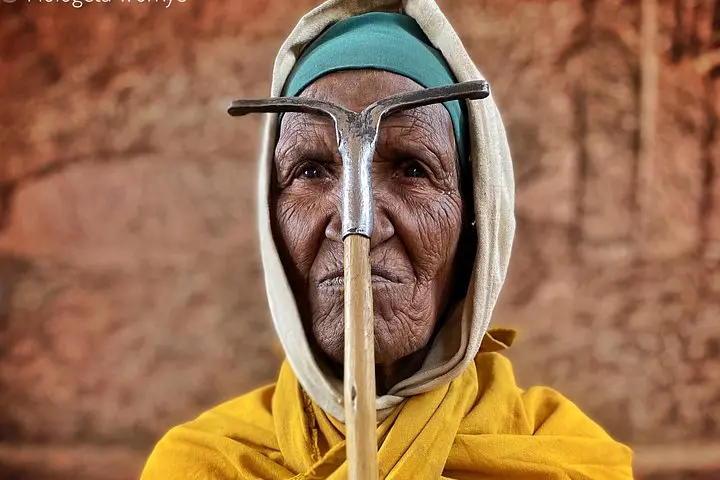
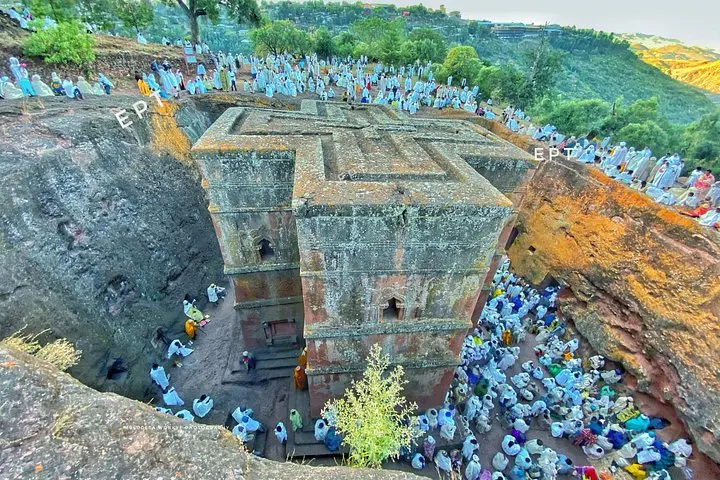
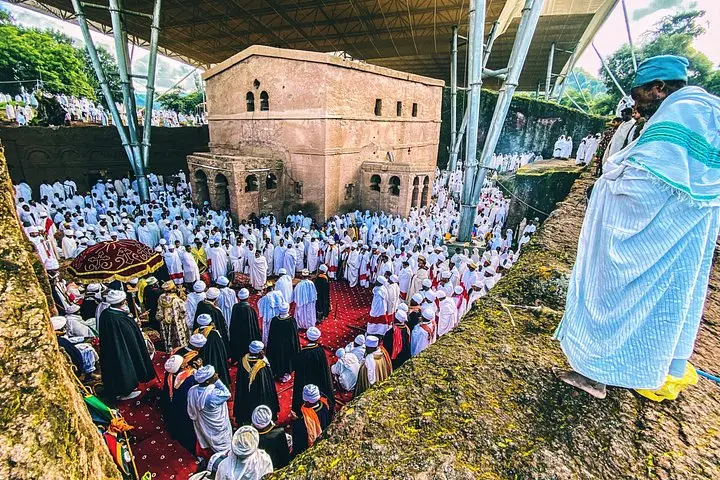
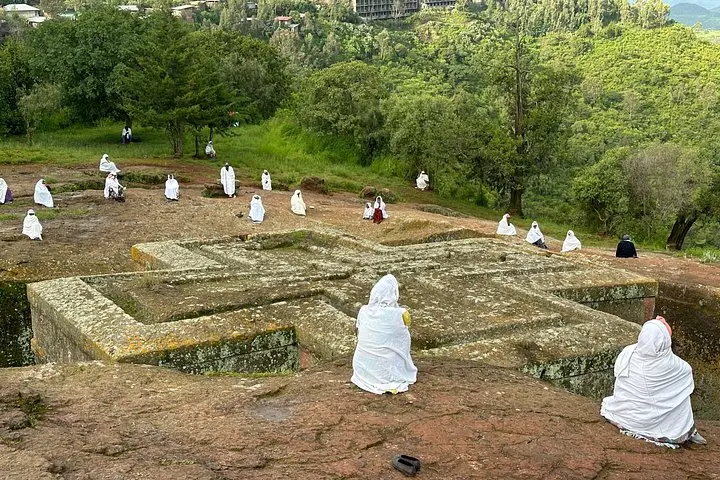
Over nine days you move through ancient capitals, highland escarpments and lakeside monasteries. In Bahir Dar, Lake Tana’s islands keep cloistered frescoes and wooden crosses; the Tis Abay falls still dare visitors though hydro projects temper the torrent. Gondar’s 17th-century royal enclosure lays out stone castles and the painted ceiling of Debre Birhan Selassie. The Simien massif pushes you into alpine plateaus where peaks like Ras Dashen rise above 4,500 m and gelada troops graze ledges; the mountains feel as if they breathe, winds pushing the ridgelines forward. Axum presents monumental stelae, the tallest standing near 21 m and toppled giants on the ground, linking the present to a trading empire that reached the Red Sea. Lalibela’s rock-hewn churches — cut nearly a millennium ago — invite close inspection of carved portals and cool, candle-lit interiors.
Practical guidance: the route is primarily road travel with short walks (expect a few 1–3 hour walks at altitude). Pack for temperature swings (warm days, cold nights), stay hydrated to reduce altitude symptoms, and carry small cash for remote entrances and tips. Flights between nodes shorten drives; choose the dry months (October–February) for the most reliable roads and visibility.
Most stops are at high elevation; allow an acclimatization day in Addis Ababa, move slowly on hikes and watch for symptoms — inform your guide if you feel unwell.
Yes, the itinerary includes domestic flights between key nodes (e.g., Addis–Bahir Dar, Axum–Lalibela) as listed in the trip inclusions.
No special permits beyond standard entrance fees are required, but fees for certain churches and sites are typically included or paid locally.
Carry Ethiopian birr for local purchases; tipping guides and drivers is customary — small amounts per day are appropriate and often expected.
Ethiopian Photography Tours operates guided outdoor trips and adventures with an emphasis on safety, stewardship, and memorable experiences.
You step out into a highland morning in Addis Ababa, thin air filling your lungs at roughly 2,438 m. The city hums — horns, prayer calls, and market shouts — then the road pulls you north into landscapes that change like chapters.
You step out into a highland morning in Addis Ababa, thin air filling your lungs at roughly 2,438 m. The city hums — horns, prayer calls, and market shouts — then the road pulls you north into landscapes that change like chapters.
Over nine days you move through ancient capitals, highland escarpments and lakeside monasteries. In Bahir Dar, Lake Tana’s islands keep cloistered frescoes and wooden crosses; the Tis Abay falls still dare visitors though hydro projects temper the torrent. Gondar’s 17th-century royal enclosure lays out stone castles and the painted ceiling of Debre Birhan Selassie. The Simien massif pushes you into alpine plateaus where peaks like Ras Dashen rise above 4,500 m and gelada troops graze ledges; the mountains feel as if they breathe, winds pushing the ridgelines forward. Axum presents monumental stelae, the tallest standing near 21 m and toppled giants on the ground, linking the present to a trading empire that reached the Red Sea. Lalibela’s rock-hewn churches — cut nearly a millennium ago — invite close inspection of carved portals and cool, candle-lit interiors.
Practical guidance: the route is primarily road travel with short walks (expect a few 1–3 hour walks at altitude). Pack for temperature swings (warm days, cold nights), stay hydrated to reduce altitude symptoms, and carry small cash for remote entrances and tips. Flights between nodes shorten drives; choose the dry months (October–February) for the most reliable roads and visibility.