THE ADVENTURE COLLECTIVE® · Independent discovery and booking for outdoor travel

Traverse Northern Vietnam from Hanoi’s historic streets to Sapa’s high terraces, sleep aboard a wooden junk in Ha Long Bay, and finish with the karst river scenes of Ninh Binh. This 9-day route blends culture, geology and accessible walking into a compact, immersive trip.
Traverse Northern Vietnam from Hanoi’s historic streets to Sapa’s high terraces, sleep aboard a wooden junk in Ha Long Bay, and finish with the karst river scenes of Ninh Binh. This 9-day route blends culture, geology and accessible walking into a compact, immersive trip.
You step off the train into thin mountain air as dawn drapes Sapa’s terraces in cool blue light, then later trade peaks for the slow, limestone ghosts of Ha Long Bay—this itinerary moves you from the city streets of Hanoi to upland villages and onto emerald waters.
Verified experiences and guided adventures in the surrounding area.
Operated by Asia King Travel · Hanoi, Hanoi
You step off the train into thin mountain air as dawn drapes Sapa’s terraces in cool blue light, then later trade peaks for the slow, limestone ghosts of Ha Long Bay—this itinerary moves you from the city streets of Hanoi to upland villages and onto emerald waters.
Hanoi’s Old Quarter dates back a millennium, with colonial facades and the Ho Chi Minh complex anchoring modern history. In the northwest, the Hoang Lien range (home to Fansipan) carves granite and shale into steep ridgelines; indigenous H’Mong, Dao and Giay communities have shaped the terraced rice fields for centuries. Ha Long Bay is a mid-Miocene karst seascape: thousands of limestone towers rising from the Gulf of Tonkin. Ninh Binh’s Tam Coc shows the same karst geology inland, where rivers dare you through caves and rice paddies.
Expect village walks of 2–4 hours on packed-earth tracks and stone stairways, an overnight wooden junk in Ha Long with cave visits and optional swims, and short boat rides through Tam Coc’s tunnels. The night train between Hanoi and Lao Cai takes about eight hours—bring earplugs and a light layer. The Mua Cave viewpoint is reached via roughly 500 stone steps; plan for steady climbing and clear views on fair days.
Practical edge: pack quick-dry layers, a reliable waterproof, sturdy trekking shoes, and a daypack with water. Carry small-denomination Vietnamese dong for markets and tips. Travel windows: autumn and spring give the clearest vistas; summer offers lush terraces but sudden showers. Respect local customs—ask before photographing villagers—and leave no trace in fragile karst and rice-field ecosystems.
Most walks are moderate: 2–4 hours on dirt trails and descending/ascending terraces; not technical but expect uneven surfaces and some steep sections.
Yes—soft sleepers offer bunks and bedding for an 8-hour journey; bring earplugs and a small lock for luggage reassurance.
Visa requirements depend on your nationality—check official Vietnamese immigration guidance before travel, as some travelers qualify for e-visa or visa-exemption.
The itinerary includes most breakfasts and select lunches/dinners plus hotel and cruise accommodations as described; confirm specifics at booking.
Asia King Travel operates guided outdoor trips and adventures with an emphasis on safety, stewardship, and memorable experiences.


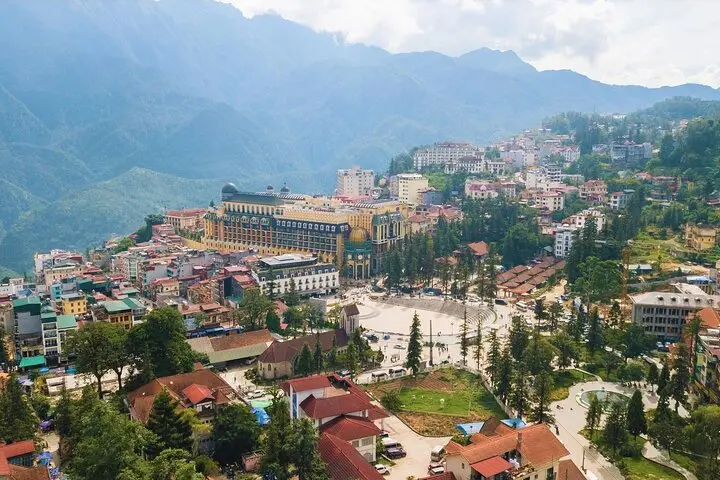

You step off the train into thin mountain air as dawn drapes Sapa’s terraces in cool blue light, then later trade peaks for the slow, limestone ghosts of Ha Long Bay—this itinerary moves you from the city streets of Hanoi to upland villages and onto emerald waters.
You step off the train into thin mountain air as dawn drapes Sapa’s terraces in cool blue light, then later trade peaks for the slow, limestone ghosts of Ha Long Bay—this itinerary moves you from the city streets of Hanoi to upland villages and onto emerald waters.
Hanoi’s Old Quarter dates back a millennium, with colonial facades and the Ho Chi Minh complex anchoring modern history. In the northwest, the Hoang Lien range (home to Fansipan) carves granite and shale into steep ridgelines; indigenous H’Mong, Dao and Giay communities have shaped the terraced rice fields for centuries. Ha Long Bay is a mid-Miocene karst seascape: thousands of limestone towers rising from the Gulf of Tonkin. Ninh Binh’s Tam Coc shows the same karst geology inland, where rivers dare you through caves and rice paddies.
Expect village walks of 2–4 hours on packed-earth tracks and stone stairways, an overnight wooden junk in Ha Long with cave visits and optional swims, and short boat rides through Tam Coc’s tunnels. The night train between Hanoi and Lao Cai takes about eight hours—bring earplugs and a light layer. The Mua Cave viewpoint is reached via roughly 500 stone steps; plan for steady climbing and clear views on fair days.
Practical edge: pack quick-dry layers, a reliable waterproof, sturdy trekking shoes, and a daypack with water. Carry small-denomination Vietnamese dong for markets and tips. Travel windows: autumn and spring give the clearest vistas; summer offers lush terraces but sudden showers. Respect local customs—ask before photographing villagers—and leave no trace in fragile karst and rice-field ecosystems.