THE ADVENTURE COLLECTIVE® · Independent discovery and booking for outdoor travel

A nine‑day overland circuit from Islamabad to Hunza, Phander and Shandur that combines high mountain passes, lakes formed by landslides and cultural stops along the Karakoram Highway. Practical route, altitude, and timing advice for planning the trip.
A nine‑day overland circuit from Islamabad to Hunza, Phander and Shandur that combines high mountain passes, lakes formed by landslides and cultural stops along the Karakoram Highway. Practical route, altitude, and timing advice for planning the trip.
Morning light slices across terraced apricot orchards as the Karakoram Highway unfurls like a worn ribbon through steep canyon walls. Travelers arrive from Islamabad and, over nine days, trade plains for glaciers, stopping where rivers dare to gouge new passages and where high passes open views that put scale into perspective.
Verified experiences and guided adventures in the surrounding area.
Operated by Falcon Adventure Club · Gilgit, Gilgit-Baltistan
Morning light slices across terraced apricot orchards as the Karakoram Highway unfurls like a worn ribbon through steep canyon walls. Travelers arrive from Islamabad and, over nine days, trade plains for glaciers, stopping where rivers dare to gouge new passages and where high passes open views that put scale into perspective.
The route follows routes once packed by Silk Road caravans and later shaped by the construction of the Karakoram Highway in the 1970s–80s, a strategic lifeline between Pakistan and China. Geology here is raw: uplifted metamorphic rock and soaring granite peaks—Rakaposhi and the Passu Cones—sit above active glaciers carved over millennia. Local culture is Wakhi, Burusho and Shina-speaking communities whose farm terraces, fortresses like Baltit, and caravanserai echoes reflect trade and pastoral histories.
Expect long but scenic drives, short walks to viewpoints like Eagle’s Nest, boat or road-side photos at Attabad Lake, and a high day at Khunjerab Pass (about 4,693 m) where thin air is part of the experience. Accommodations range from guesthouses in Karimabad to Serena-class hotels in Gilgit; days are paced for sightseeing plus acclimatization.
Practical guidance: pack layered insulation and sun protection, allow 24–48 hours to acclimatize before high passes, and carry cash—remote stretches have limited card access. Roads can be rough; travel schedules are weather-dependent, especially early or late season. Respect local customs, minimize waste, and prepare for temperature swings of 20–30°C between valley nights and high passes.
No special tourist permit is required for Khunjerab if traveling on the Karakoram Highway, but carry passports and vehicle paperwork for border-area checkpoints.
Khunjerab sits around 4,693 m (15,397 ft); many travelers feel mild symptoms—headache or shortness of breath—so acclimatize, hydrate and avoid overexertion.
Many solo travelers complete the trip; however, stick with reputable operators, follow local dress norms, and avoid isolated areas after dark.
Roads vary from paved highway to rough, narrow mountain sections; landslides and weather can cause delays, especially early/late season.
Falcon Adventure Club operates guided outdoor trips and adventures with an emphasis on safety, stewardship, and memorable experiences.
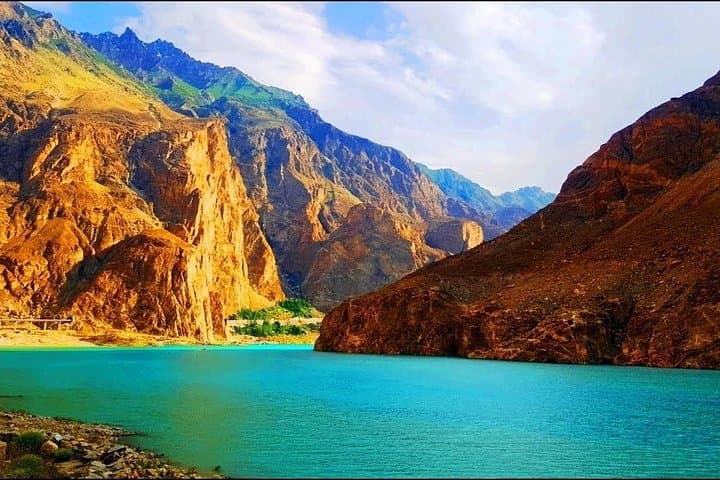


Morning light slices across terraced apricot orchards as the Karakoram Highway unfurls like a worn ribbon through steep canyon walls. Travelers arrive from Islamabad and, over nine days, trade plains for glaciers, stopping where rivers dare to gouge new passages and where high passes open views that put scale into perspective.
Morning light slices across terraced apricot orchards as the Karakoram Highway unfurls like a worn ribbon through steep canyon walls. Travelers arrive from Islamabad and, over nine days, trade plains for glaciers, stopping where rivers dare to gouge new passages and where high passes open views that put scale into perspective.
The route follows routes once packed by Silk Road caravans and later shaped by the construction of the Karakoram Highway in the 1970s–80s, a strategic lifeline between Pakistan and China. Geology here is raw: uplifted metamorphic rock and soaring granite peaks—Rakaposhi and the Passu Cones—sit above active glaciers carved over millennia. Local culture is Wakhi, Burusho and Shina-speaking communities whose farm terraces, fortresses like Baltit, and caravanserai echoes reflect trade and pastoral histories.
Expect long but scenic drives, short walks to viewpoints like Eagle’s Nest, boat or road-side photos at Attabad Lake, and a high day at Khunjerab Pass (about 4,693 m) where thin air is part of the experience. Accommodations range from guesthouses in Karimabad to Serena-class hotels in Gilgit; days are paced for sightseeing plus acclimatization.
Practical guidance: pack layered insulation and sun protection, allow 24–48 hours to acclimatize before high passes, and carry cash—remote stretches have limited card access. Roads can be rough; travel schedules are weather-dependent, especially early or late season. Respect local customs, minimize waste, and prepare for temperature swings of 20–30°C between valley nights and high passes.