THE ADVENTURE COLLECTIVE® · Independent discovery and booking for outdoor travel

From Lima’s colonial heart to the stone ramps of Machu Picchu, this nine-day Peru tour threads desert, coast and high Andes into a compact adventure. Expect acclimatization, steep hikes to high alpine lakes, and logistics-sensitive ticketing for Machu Picchu.
From Lima’s colonial heart to the stone ramps of Machu Picchu, this nine-day Peru tour threads desert, coast and high Andes into a compact adventure. Expect acclimatization, steep hikes to high alpine lakes, and logistics-sensitive ticketing for Machu Picchu.
Morning light on the Pan-American Highway gives way to Andes peaks—this nine-day itinerary moves fast: Lima’s colonial plazas, the Ballestas’ spray and birdcalls, a Nazca overflight, then upward to Cusco’s high dry air where terraces and stonework hold the story of the Incas.
Verified experiences and guided adventures in the surrounding area.
Operated by Chullos Travel Peru · Cusco, Cusco
Morning light on the Pan-American Highway gives way to Andes peaks—this nine-day itinerary moves fast: Lima’s colonial plazas, the Ballestas’ spray and birdcalls, a Nazca overflight, then upward to Cusco’s high dry air where terraces and stonework hold the story of the Incas.
Travelers will pass through coastal desert, Andean valleys and cloud forest on a route that stitches cultures and geologies together. Lima’s Huaca Pucllana reveals pre-Columbian adobe; the Sacred Valley follows the Willkamayu river corridor carved into uplifted volcanic and sedimentary layers; Machu Picchu sits where steep, folded rock forces the Urubamba to dare around its base. Local Quechua communities still tend terraces and markets—Pisac and Ollantaytambo carry living traditions and foods that explain why altitude crops differ from coast to valley.
Expect a mix of gentle walking and steeper day-hikes: Humantay Lake is a 2-hour uphill from Mollepata (thin air makes it slower), Rainbow Mountain is a roughly 2–3 hour hike with sustained ascent, and Machu Picchu requires early buses, stairs, and uneven stone paths. Practical notes: allow 48 hours to acclimatize in Cusco, carry water and electrolytes, and bring layered clothing for sun, wind and sudden rain in the highlands. Machu Picchu tickets are controlled by Peru’s Ministry of Culture; availability varies so confirm early. Trains between Ollantaytambo and Aguas Calientes run on fixed schedules—book seats that match your itinerary. The trip is logistics-heavy but rich in visual rewards: terraces that angle into the valley, lakes that catch glaciers’ melt, and mountain faces that feel almost conversational as you climb.
Yes—tickets are issued by Peru’s Ministry of Culture and can sell out; book early and confirm the circuit (1 or 2) included in your package.
Plan 1–2 full days in Cusco before strenuous hikes or visits above 3,000 m to reduce altitude-related symptoms.
This tour includes train travel (Expedition or Voyager class) per itinerary—confirm departure times to match your Machu Picchu visit window.
Both require sustained uphill walking of 2–4 hours; moderate cardiovascular fitness and prior hill-walking experience are recommended.
Chullos Travel Peru operates guided outdoor trips and adventures with an emphasis on safety, stewardship, and memorable experiences.
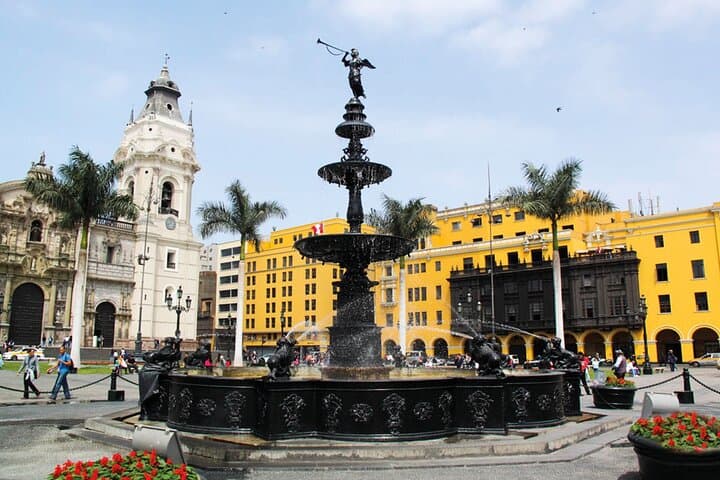
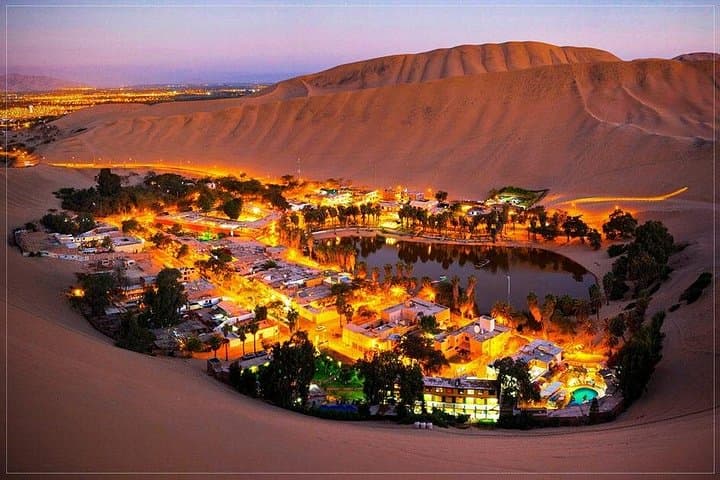
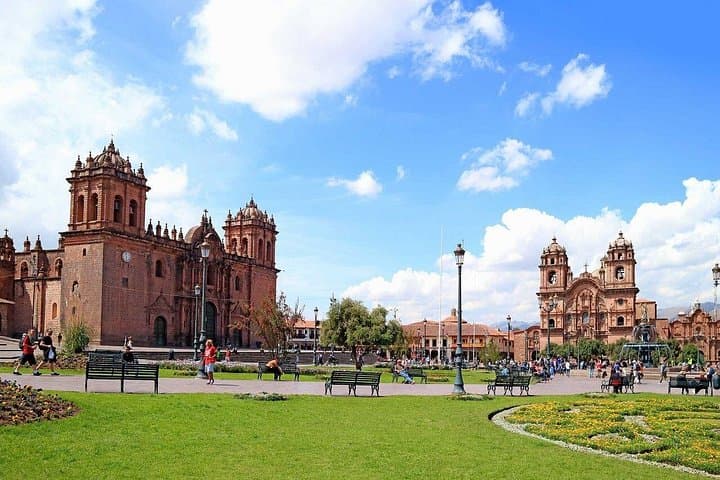
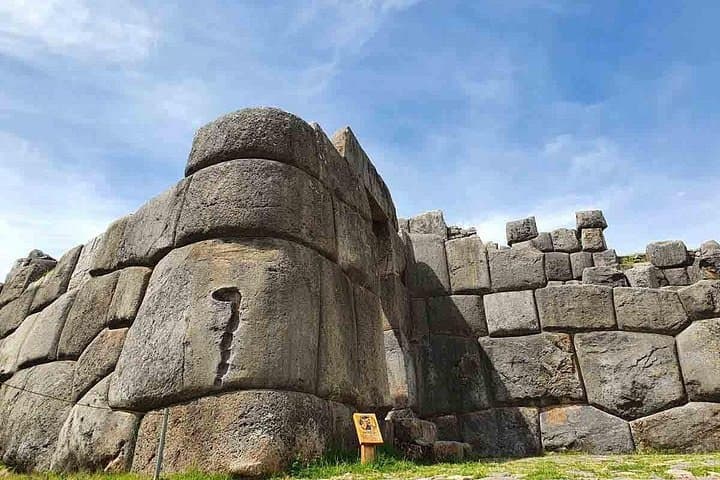
Morning light on the Pan-American Highway gives way to Andes peaks—this nine-day itinerary moves fast: Lima’s colonial plazas, the Ballestas’ spray and birdcalls, a Nazca overflight, then upward to Cusco’s high dry air where terraces and stonework hold the story of the Incas.
Morning light on the Pan-American Highway gives way to Andes peaks—this nine-day itinerary moves fast: Lima’s colonial plazas, the Ballestas’ spray and birdcalls, a Nazca overflight, then upward to Cusco’s high dry air where terraces and stonework hold the story of the Incas.
Travelers will pass through coastal desert, Andean valleys and cloud forest on a route that stitches cultures and geologies together. Lima’s Huaca Pucllana reveals pre-Columbian adobe; the Sacred Valley follows the Willkamayu river corridor carved into uplifted volcanic and sedimentary layers; Machu Picchu sits where steep, folded rock forces the Urubamba to dare around its base. Local Quechua communities still tend terraces and markets—Pisac and Ollantaytambo carry living traditions and foods that explain why altitude crops differ from coast to valley.
Expect a mix of gentle walking and steeper day-hikes: Humantay Lake is a 2-hour uphill from Mollepata (thin air makes it slower), Rainbow Mountain is a roughly 2–3 hour hike with sustained ascent, and Machu Picchu requires early buses, stairs, and uneven stone paths. Practical notes: allow 48 hours to acclimatize in Cusco, carry water and electrolytes, and bring layered clothing for sun, wind and sudden rain in the highlands. Machu Picchu tickets are controlled by Peru’s Ministry of Culture; availability varies so confirm early. Trains between Ollantaytambo and Aguas Calientes run on fixed schedules—book seats that match your itinerary. The trip is logistics-heavy but rich in visual rewards: terraces that angle into the valley, lakes that catch glaciers’ melt, and mountain faces that feel almost conversational as you climb.