THE ADVENTURE COLLECTIVE® · Independent discovery and booking for outdoor travel

Travel from the Li River’s karst peaks to Chengdu’s giant pandas, Xi’an’s Terracotta Army and Beijing’s Forbidden City on a private, nine-day guided loop. Practical logistics and cultural highlights combine for a compact first-time China circuit.
Travel from the Li River’s karst peaks to Chengdu’s giant pandas, Xi’an’s Terracotta Army and Beijing’s Forbidden City on a private, nine-day guided loop. Practical logistics and cultural highlights combine for a compact first-time China circuit.
Morning mist lifts off the Li River as your private boat slips between karst towers; the hills seem to lean in, as if to read the names of passing villages aloud. Over nine days you move from Guilin’s river curves to Chengdu’s slow teahouse mornings, from Xi’an’s terracotta ranks to Beijing’s imperial courtyards—a route that stitches China’s natural drama to its long human story.
Verified experiences and guided adventures in the surrounding area.
Operated by happychinatours · Guilin, Guangxi
Morning mist lifts off the Li River as your private boat slips between karst towers; the hills seem to lean in, as if to read the names of passing villages aloud. Over nine days you move from Guilin’s river curves to Chengdu’s slow teahouse mornings, from Xi’an’s terracotta ranks to Beijing’s imperial courtyards—a route that stitches China’s natural drama to its long human story.
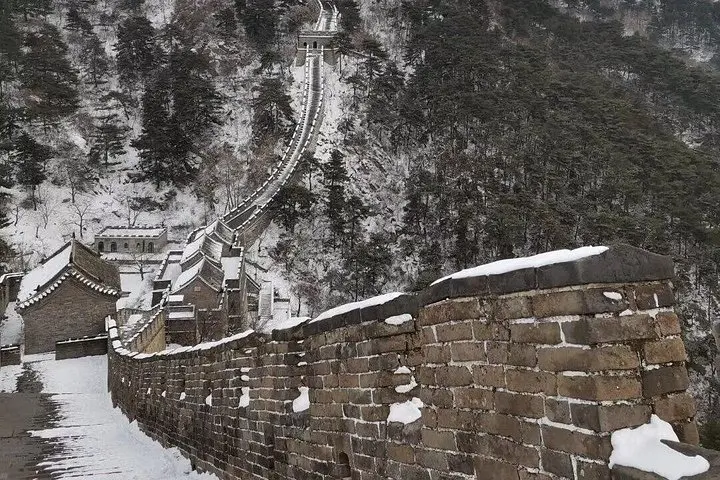
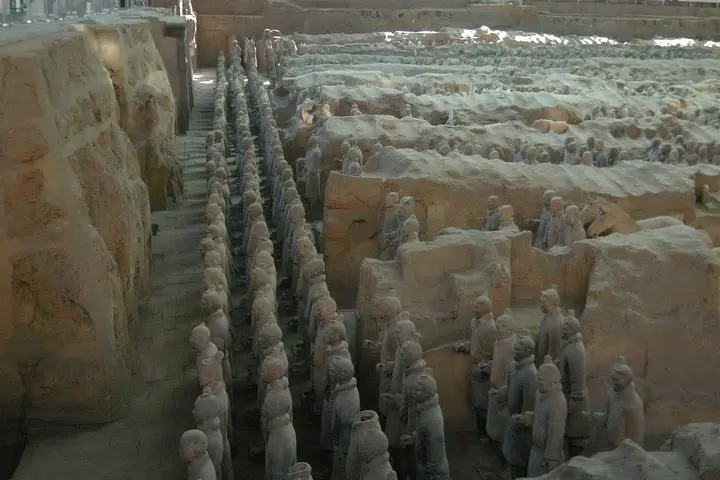
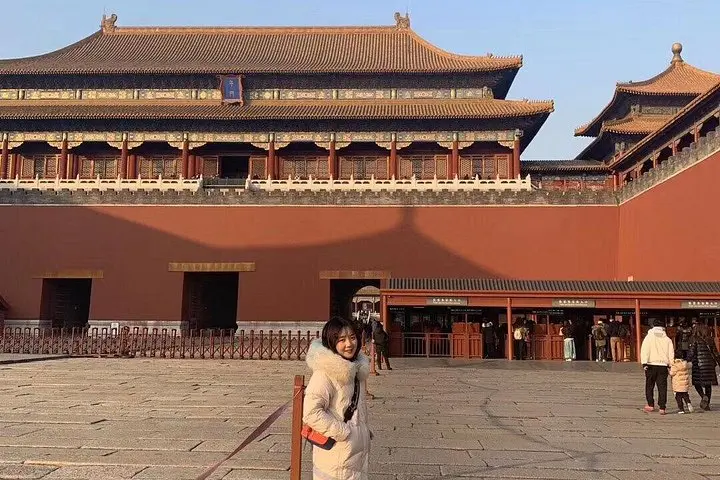
Geology and history arrive together here: the Li River’s karst peaks formed from ancient limestone dissolved over millions of years, producing the odd, steep cones that photographers chase at Xianggong Hill. Chengdu’s basin shelters panda conservation work born of modern ecological urgency, while Shaanxi’s loess plateaus preserve imperial burials like the Terracotta Army and Hanyangling Mausoleum. In Beijing the Ming-era city wall and Forbidden City map five centuries of statecraft; Mutianyu’s Great Wall restores a militarized landscape to walking route.
Culturally, expect slow, people-centered moments—tea in Renmin Park, market rhythms in Xi’an’s Muslim Quarter, hutong rickshaw rides—offsetting longer travel legs by air and first-class train. Practical guidance: pack lightweight layers for variable inland climates, bring comfortable walking shoes for uneven temple steps and wall paths, and plan early starts for popular sites to avoid crowds. Hydration, sun protection, and a photocopy of your passport are essential. The trip is private, guided, and vehicle-supported, so logistics are handled, but mobility limitations (stairs, cobbled paths) should be noted in advance. This itinerary is equal parts landscape and history—built for travelers who want active sightseeing with cultural depth.
Yes—this private itinerary covers major highlights with guides in each city and private transport, making it accessible for first-time travelers.
Expect moderate walking: guided site visits with 1–3 hours on foot daily, including stairs at historical sites and short hikes like Xianggong Hill.
Yes—the itinerary includes the Guilin–Chengdu flight (economy) and first-class train tickets for designated routes as noted in the inclusions.
Yes—guides can arrange meals to accommodate common dietary requirements; note specifics when booking so restaurants and lunches can be planned.
happychinatours operates guided outdoor trips and adventures with an emphasis on safety, stewardship, and memorable experiences.
Morning mist lifts off the Li River as your private boat slips between karst towers; the hills seem to lean in, as if to read the names of passing villages aloud. Over nine days you move from Guilin’s river curves to Chengdu’s slow teahouse mornings, from Xi’an’s terracotta ranks to Beijing’s imperial courtyards—a route that stitches China’s natural drama to its long human story.
Morning mist lifts off the Li River as your private boat slips between karst towers; the hills seem to lean in, as if to read the names of passing villages aloud. Over nine days you move from Guilin’s river curves to Chengdu’s slow teahouse mornings, from Xi’an’s terracotta ranks to Beijing’s imperial courtyards—a route that stitches China’s natural drama to its long human story.
Geology and history arrive together here: the Li River’s karst peaks formed from ancient limestone dissolved over millions of years, producing the odd, steep cones that photographers chase at Xianggong Hill. Chengdu’s basin shelters panda conservation work born of modern ecological urgency, while Shaanxi’s loess plateaus preserve imperial burials like the Terracotta Army and Hanyangling Mausoleum. In Beijing the Ming-era city wall and Forbidden City map five centuries of statecraft; Mutianyu’s Great Wall restores a militarized landscape to walking route.
Culturally, expect slow, people-centered moments—tea in Renmin Park, market rhythms in Xi’an’s Muslim Quarter, hutong rickshaw rides—offsetting longer travel legs by air and first-class train. Practical guidance: pack lightweight layers for variable inland climates, bring comfortable walking shoes for uneven temple steps and wall paths, and plan early starts for popular sites to avoid crowds. Hydration, sun protection, and a photocopy of your passport are essential. The trip is private, guided, and vehicle-supported, so logistics are handled, but mobility limitations (stairs, cobbled paths) should be noted in advance. This itinerary is equal parts landscape and history—built for travelers who want active sightseeing with cultural depth.