THE ADVENTURE COLLECTIVE® · Independent discovery and booking for outdoor travel

Move from Cairo’s bustling streets to the slow sweep of the Nile and the monumental temples of Upper Egypt. This private 9-day tour pairs guided archaeological walks with a multi-night Nile cruise and an early-morning visit to Abu Simbel.
Move from Cairo’s bustling streets to the slow sweep of the Nile and the monumental temples of Upper Egypt. This private 9-day tour pairs guided archaeological walks with a multi-night Nile cruise and an early-morning visit to Abu Simbel.
You step out of Cairo International into a heat-washed morning, the city already busy and the skyline punctuated by the Giza plateau—three giant stones holding the horizon like watchful elders. Over nine days the trip moves south along the Nile, from the layered chaos of Cairo to the slow, reflective current of Upper Egypt, then to the carved facades of Abu Simbel before returning north.
Verified experiences and guided adventures in the surrounding area.
Operated by voyage Égypte mer rouge · Cairo, Cairo Governorate
You step out of Cairo International into a heat-washed morning, the city already busy and the skyline punctuated by the Giza plateau—three giant stones holding the horizon like watchful elders. Over nine days the trip moves south along the Nile, from the layered chaos of Cairo to the slow, reflective current of Upper Egypt, then to the carved facades of Abu Simbel before returning north.
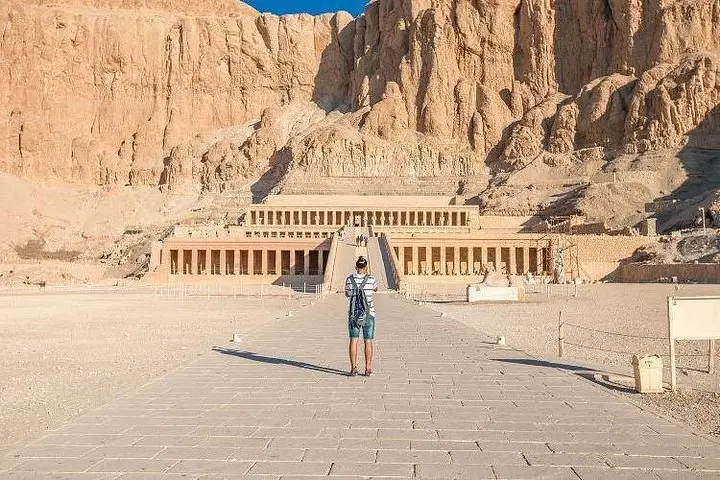
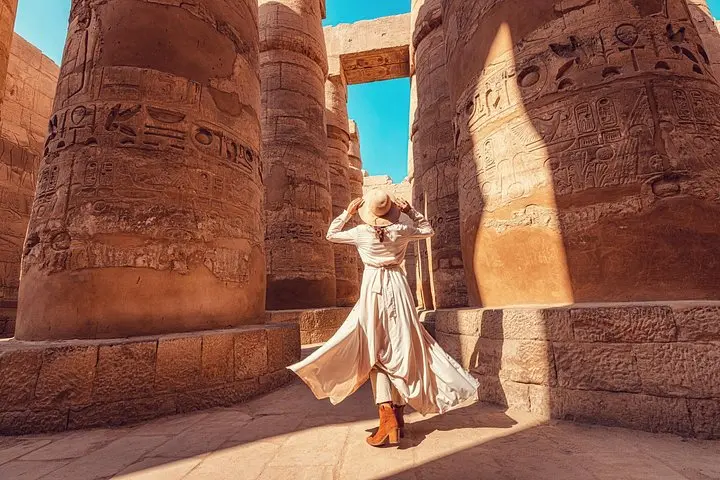
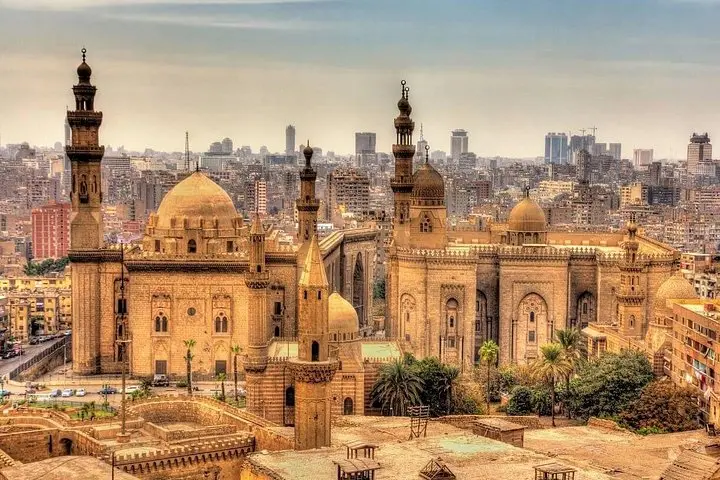
The itinerary threads pharaonic history with Ottoman and Coptic chapters: the Pyramids and Sphinx are Old Kingdom engineering; Saqqara’s Step Pyramid marks the shift from mastaba tombs to monumental stone; Luxor’s Karnak and the Valley of the Kings concentrate New Kingdom power and funerary design. Geologically, the Nile Valley is a ribbon of alluvium through desert rock—an axis of life that has defined settlement patterns for millennia.
Expect guided temple walks, a multi-night Nile cruise with stops at Edfu and Kom Ombo, and a day trip by road to Abu Simbel. Cultural norms matter: modest dress in religious sites, calm voices in museums, and bargaining at markets like Khan El Khalili. Practical rhythm—early starts to avoid heat, roomy footwear for uneven stone, and a refillable bottle for the dry climate—keeps the itinerary enjoyable.
For planning: carry copies of passport and visas, confirm internal flights, and budget for guide and driver gratuities. The trip balances slow river travel with concentrated archaeological exploration—ideal for travelers wanting immersive history without extreme exertion.
Many nationalities require a visa; check Egypt’s official e‑visa portal or your embassy for current requirements before travel.
The itinerary includes most transfers and a Nile cruise; verify which internal flights and entrance fees are included at booking.
The tour is marked physically easy and can accommodate families and seniors, but long days and road transfers may challenge some—ask about private vehicle options.
Use Egyptian pounds for daily expenses; tipping (baksheesh) is customary for guides, drivers, and porters—budget small amounts per person per service.
voyage Égypte mer rouge operates guided outdoor trips and adventures with an emphasis on safety, stewardship, and memorable experiences.

You step out of Cairo International into a heat-washed morning, the city already busy and the skyline punctuated by the Giza plateau—three giant stones holding the horizon like watchful elders. Over nine days the trip moves south along the Nile, from the layered chaos of Cairo to the slow, reflective current of Upper Egypt, then to the carved facades of Abu Simbel before returning north.
You step out of Cairo International into a heat-washed morning, the city already busy and the skyline punctuated by the Giza plateau—three giant stones holding the horizon like watchful elders. Over nine days the trip moves south along the Nile, from the layered chaos of Cairo to the slow, reflective current of Upper Egypt, then to the carved facades of Abu Simbel before returning north.
The itinerary threads pharaonic history with Ottoman and Coptic chapters: the Pyramids and Sphinx are Old Kingdom engineering; Saqqara’s Step Pyramid marks the shift from mastaba tombs to monumental stone; Luxor’s Karnak and the Valley of the Kings concentrate New Kingdom power and funerary design. Geologically, the Nile Valley is a ribbon of alluvium through desert rock—an axis of life that has defined settlement patterns for millennia.
Expect guided temple walks, a multi-night Nile cruise with stops at Edfu and Kom Ombo, and a day trip by road to Abu Simbel. Cultural norms matter: modest dress in religious sites, calm voices in museums, and bargaining at markets like Khan El Khalili. Practical rhythm—early starts to avoid heat, roomy footwear for uneven stone, and a refillable bottle for the dry climate—keeps the itinerary enjoyable.
For planning: carry copies of passport and visas, confirm internal flights, and budget for guide and driver gratuities. The trip balances slow river travel with concentrated archaeological exploration—ideal for travelers wanting immersive history without extreme exertion.