THE ADVENTURE COLLECTIVE® · Independent discovery and booking for outdoor travel

Move from Kathmandu’s temple squares to Chitwan’s river forests and Pokhara’s mountain viewpoints on a nine-day circuit through Nepal’s cultural and natural highlights. Expect long drives, early-sunrise vistas and guided wildlife activities.
Move from Kathmandu’s temple squares to Chitwan’s river forests and Pokhara’s mountain viewpoints on a nine-day circuit through Nepal’s cultural and natural highlights. Expect long drives, early-sunrise vistas and guided wildlife activities.
The morning light in Kathmandu spills across brick courtyards and prayer flags as the city stirs — a fitting opening to a nine-day route that moves from high valley temples to lowland rivers and Himalayan viewpoints.
Verified experiences and guided adventures in the surrounding area.
Operated by AM Travels and Tours · Kathmandu, Bagmati Province
The morning light in Kathmandu spills across brick courtyards and prayer flags as the city stirs — a fitting opening to a nine-day route that moves from high valley temples to lowland rivers and Himalayan viewpoints.
Across the week travelers will trace the Kathmandu Valley’s layered history: Buddhist stupas like Swayambhu and Pashupatinath’s cremation ghats speak to centuries of ritual, while nearby Bhaktapur preserves Newar carpentry and medieval plazas. Geologically the tour spans the Siwalik foothills and the inner Terai: expect dusty roads and alluvial plains in Chitwan, and steep, forested ridges around Nagarkot and Sarangkot that afford sunrise views of the Annapurna and Everest ranges.
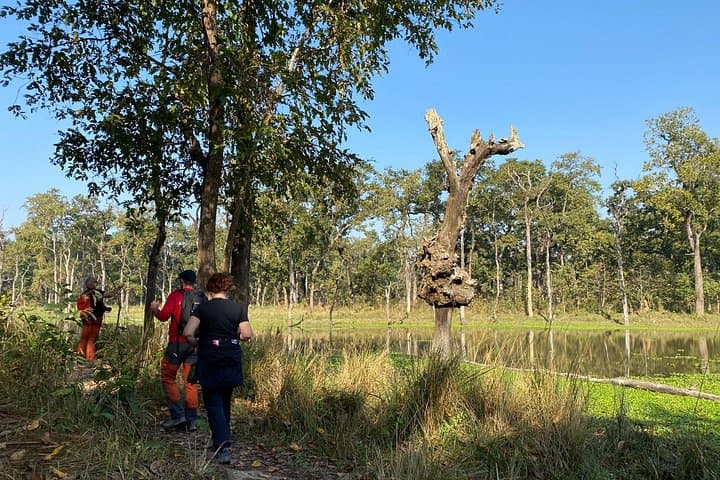
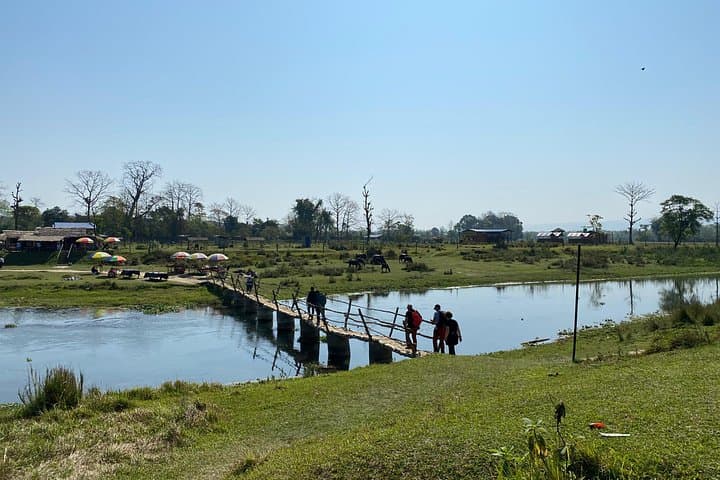
In Chitwan National Park the landscape changes to tall grass, riverine forest, and oxbow lakes where the Rapti River dares visitors with quiet boat rides and jeep tracks push through elephant country. Pokhara’s Fewa and Begnas lakes offer mirror-like water and short hill hikes to World Peace Stupa and Sarangkot for mountain panoramas.
Practical guidance: plan for long drives (Kathmandu–Chitwan ~4–5 hours; Chitwan–Pokhara ~4–5 hours; Pokhara–Kathmandu ~6–7 hours) and variable elevations (200–2,200 m). Bring layered clothing for cool mornings at higher viewpoints and breathable fabrics for the Terai heat. Vaccinations and mosquito protection are recommended for Chitwan; park fees support conservation so keep receipts. Footwear should handle paved city streets, packed dirt trails and jungle walks. Early starts reward you with the best light and wildlife activity; allow an easy day after travel to acclimatize and soak in the local rhythms.
Most sites are below 2,200 m and the itinerary includes gradual elevation changes; standard precautions—hydration, rest, avoiding heavy exertion on arrival—are usually sufficient.
This tour includes Chitwan National Park activities and the national park fee; local guided safaris and cultural programs are part of the itinerary.
Parts of the tour involve uneven ground and boat or jeep transfers, but the operator lists wheelchair accessibility—confirm specific needs at booking for seamless pickup and hotel arrangements.
Routine vaccinations are advised; consider hepatitis A, typhoid, and consult a travel clinic about malaria prevention for Chitwan depending on season and itinerary.
AM Travels and Tours operates guided outdoor trips and adventures with an emphasis on safety, stewardship, and memorable experiences.


The morning light in Kathmandu spills across brick courtyards and prayer flags as the city stirs — a fitting opening to a nine-day route that moves from high valley temples to lowland rivers and Himalayan viewpoints.
The morning light in Kathmandu spills across brick courtyards and prayer flags as the city stirs — a fitting opening to a nine-day route that moves from high valley temples to lowland rivers and Himalayan viewpoints.
Across the week travelers will trace the Kathmandu Valley’s layered history: Buddhist stupas like Swayambhu and Pashupatinath’s cremation ghats speak to centuries of ritual, while nearby Bhaktapur preserves Newar carpentry and medieval plazas. Geologically the tour spans the Siwalik foothills and the inner Terai: expect dusty roads and alluvial plains in Chitwan, and steep, forested ridges around Nagarkot and Sarangkot that afford sunrise views of the Annapurna and Everest ranges.
In Chitwan National Park the landscape changes to tall grass, riverine forest, and oxbow lakes where the Rapti River dares visitors with quiet boat rides and jeep tracks push through elephant country. Pokhara’s Fewa and Begnas lakes offer mirror-like water and short hill hikes to World Peace Stupa and Sarangkot for mountain panoramas.
Practical guidance: plan for long drives (Kathmandu–Chitwan ~4–5 hours; Chitwan–Pokhara ~4–5 hours; Pokhara–Kathmandu ~6–7 hours) and variable elevations (200–2,200 m). Bring layered clothing for cool mornings at higher viewpoints and breathable fabrics for the Terai heat. Vaccinations and mosquito protection are recommended for Chitwan; park fees support conservation so keep receipts. Footwear should handle paved city streets, packed dirt trails and jungle walks. Early starts reward you with the best light and wildlife activity; allow an easy day after travel to acclimatize and soak in the local rhythms.