THE ADVENTURE COLLECTIVE® · Independent discovery and booking for outdoor travel

Traverse the Kaghan Valley to alpine lakes, ride steep mountain jeeps and trek to Fairy Meadows and Nanga Parbat base camp on this 9‑day June–October adventure. Expect high‑altitude trails, remote villages and dramatic granite vistas.
Traverse the Kaghan Valley to alpine lakes, ride steep mountain jeeps and trek to Fairy Meadows and Nanga Parbat base camp on this 9‑day June–October adventure. Expect high‑altitude trails, remote villages and dramatic granite vistas.
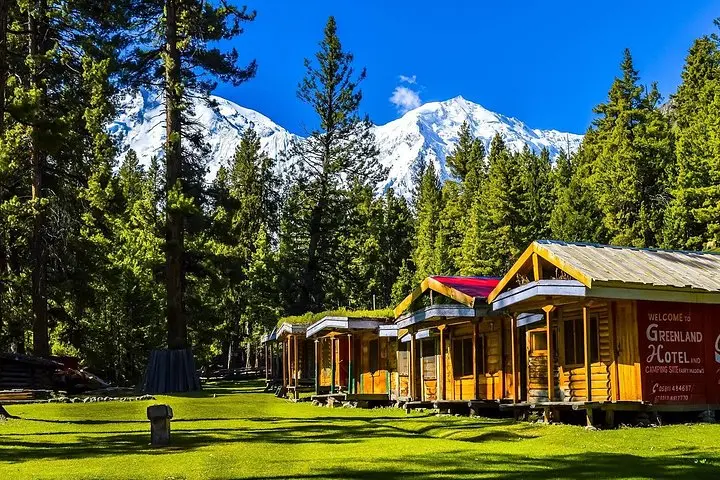
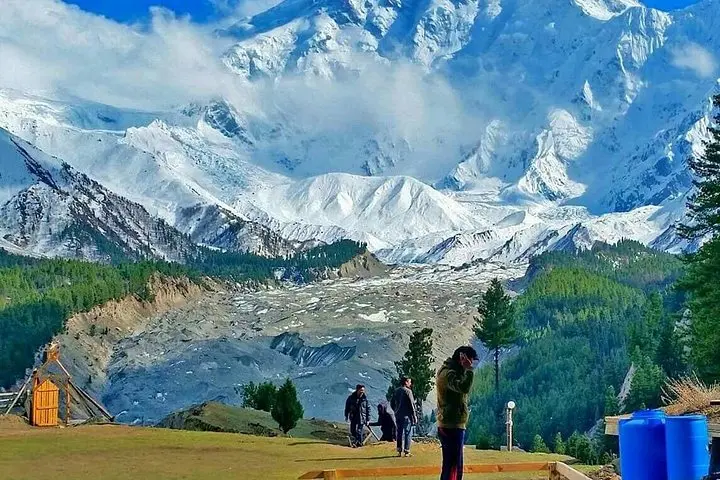
The jeep spits you out at a rocky village; air tastes cold and thin, and the jagged shoulder of Nanga Parbat fills the horizon. Over nine days you'll move from Islamabad’s broad avenues up through the Kaghan Valley to alpine lakes, high passes and the suspended green plateau known as Fairy Meadows — a launchpad for the hike to Nanga Parbat’s base camp.
Verified experiences and guided adventures in the surrounding area.
Operated by Falcon Adventure Club · Fairy Meadows (near Raikot), Gilgit-Baltistan
The jeep spits you out at a rocky village; air tastes cold and thin, and the jagged shoulder of Nanga Parbat fills the horizon. Over nine days you'll move from Islamabad’s broad avenues up through the Kaghan Valley to alpine lakes, high passes and the suspended green plateau known as Fairy Meadows — a launchpad for the hike to Nanga Parbat’s base camp.
This route threads recent human history and hard geology: glacially carved valleys, moraines and the granite bulk of Nanga Parbat, which has long challenged climbers and shaped local transhumant life. The region is home to Kohistani and Gilgit-Baltistan communities whose livelihoods mix livestock, guest cottages and guiding; stop conversations at teahouses and you’ll hear local routes and weather lore as readily as tea offers.
Expect mixed surfaces: paved highway, high-altitude jeep tracks, then footpaths that are steep, rocky and sometimes muddy. Typical day hikes from the jeep drop are 3–6 km with several hundred meters of gain; the Nanga Parbat approach to Base Camp adds longer, steeper sections and loose scree underfoot.
Practical guidance: travel June–October for accessible passes and milder nights. Bring layered insulation, a waterproof shell, sturdy boots and personal water treatment. Time your trekking in early morning or late afternoon to avoid daytime sun on exposed ridgelines and to catch the clearest mountain views. Respect local customs, carry cash for remote villages, and allow an extra day for weather or road delays — mountain travel here rewards patience as much as preparation.
June through October offers the most reliable road access and milder weather; early summer can still hold snow at high passes.
Trekking involves sustained uphill walking on rocky trails—expect several hours and several hundred meters of gain; prior hiking experience is recommended.
No formal national park permit is generally required for Fairy Meadows, but local taxes or cottage fees may apply and guides arrange access and logistics.
Yes—ascend slowly, hydrate, and watch for symptoms; carry acetazolamide only if prescribed and consider an extra acclimatization day if you feel unwell.
Falcon Adventure Club operates guided outdoor trips and adventures with an emphasis on safety, stewardship, and memorable experiences.
The jeep spits you out at a rocky village; air tastes cold and thin, and the jagged shoulder of Nanga Parbat fills the horizon. Over nine days you'll move from Islamabad’s broad avenues up through the Kaghan Valley to alpine lakes, high passes and the suspended green plateau known as Fairy Meadows — a launchpad for the hike to Nanga Parbat’s base camp.
The jeep spits you out at a rocky village; air tastes cold and thin, and the jagged shoulder of Nanga Parbat fills the horizon. Over nine days you'll move from Islamabad’s broad avenues up through the Kaghan Valley to alpine lakes, high passes and the suspended green plateau known as Fairy Meadows — a launchpad for the hike to Nanga Parbat’s base camp.
This route threads recent human history and hard geology: glacially carved valleys, moraines and the granite bulk of Nanga Parbat, which has long challenged climbers and shaped local transhumant life. The region is home to Kohistani and Gilgit-Baltistan communities whose livelihoods mix livestock, guest cottages and guiding; stop conversations at teahouses and you’ll hear local routes and weather lore as readily as tea offers.
Expect mixed surfaces: paved highway, high-altitude jeep tracks, then footpaths that are steep, rocky and sometimes muddy. Typical day hikes from the jeep drop are 3–6 km with several hundred meters of gain; the Nanga Parbat approach to Base Camp adds longer, steeper sections and loose scree underfoot.
Practical guidance: travel June–October for accessible passes and milder nights. Bring layered insulation, a waterproof shell, sturdy boots and personal water treatment. Time your trekking in early morning or late afternoon to avoid daytime sun on exposed ridgelines and to catch the clearest mountain views. Respect local customs, carry cash for remote villages, and allow an extra day for weather or road delays — mountain travel here rewards patience as much as preparation.