THE ADVENTURE COLLECTIVE® · Independent discovery and booking for outdoor travel

Traverse Sri Lanka in nine days: ancient capitals and Sigiriya’s rock, a hill-country train to Ella, elephant safaris in Udawalawe, rainforest walks and south-coast beaches. This compact route pairs cultural sites with wildlife and coastal downtime.
Traverse Sri Lanka in nine days: ancient capitals and Sigiriya’s rock, a hill-country train to Ella, elephant safaris in Udawalawe, rainforest walks and south-coast beaches. This compact route pairs cultural sites with wildlife and coastal downtime.
The tour opens with the smell of salt and diesel as a small boat slips across Negombo Lagoon at dawn, fishermen steering nets while herons stalk the shallows. From water to rock and forest, the route threads ancient cities, misty tea country and the slow, elephant-rich plains of the south.
Verified experiences and guided adventures in the surrounding area.
Operated by Visit Amazing Ceylon · Sigiriya, Central Province
The tour opens with the smell of salt and diesel as a small boat slips across Negombo Lagoon at dawn, fishermen steering nets while herons stalk the shallows. From water to rock and forest, the route threads ancient cities, misty tea country and the slow, elephant-rich plains of the south.
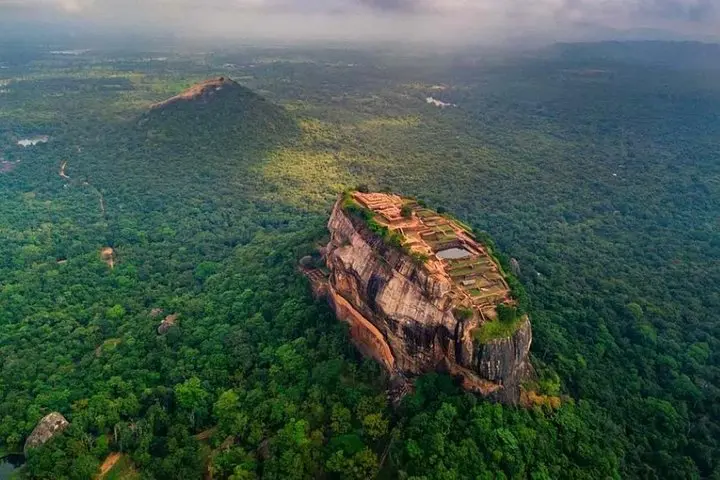
Anuradhapura and Sigiriya present Sri Lanka’s layered history: irrigation tanks and brick dagobas from early Sinhalese kingdoms, and the vertical gardens and frescoes carved into Sigiriya’s rock. The central highlands—remnants of older volcanic uplifts—shape the scenic train line to Ella, where the rail crests through cloud and tea terraces. Southward, Udawalawe’s open plains concentrate elephant families, while Sinharaja’s rainforest, a UNESCO biosphere, holds endemic trees and birds that respond to your approach like an audience.
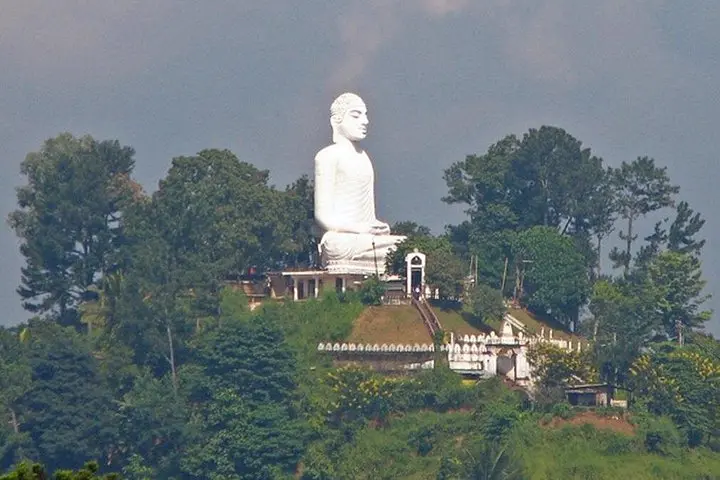
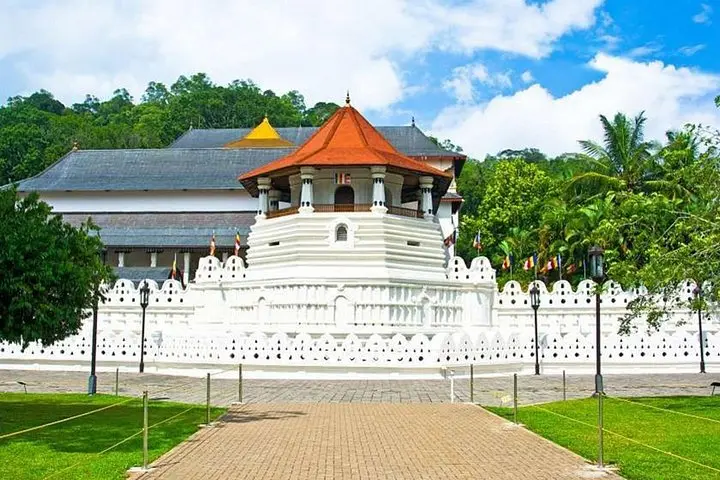
Culturally, the trip balances sacred sites and living village practices: temple rituals in Kandy, spice gardens, bullock-cart rides and home-cooked lunches that emphasize rice, coconut and curry. The final days trade wildlife optics for reef blues and colonial streets in Galle, where Dutch ramparts meet local cafés.
Practical guidance: plan early starts for Sigiriya and safaris when animal activity is highest; bring a lightweight rain jacket and insect repellent for rainforest walks; carry cash for small markets and temple donations. Footwear should handle mud, smooth rock and sandy beaches. Travel times between nodes can be long—expect multiple 3–5 hour drives and a scenic but potentially crowded hill-country train. With moderate fitness and flexible timing, the itinerary delivers a compact overview of Sri Lanka’s geologic variety, living culture and coastal ease.
Yes—this itinerary covers major cultural sites, wildlife and beaches with a private guide/driver handling logistics, making it accessible for first-timers.
Inclusions vary; major drives and private transport are provided but check the booking details for specific admissions and meal coverage—some village lunches are included as stated.
Sigiriya involves stair sections and exposed ledges; reasonably fit travelers who can handle short, steep climbs will manage it, and Pidurangala is an easier alternative for sunset views.
Early morning and late afternoon safaris are best—animals are most active near water sources during cooler periods of the day.
Visit Amazing Ceylon operates guided outdoor trips and adventures with an emphasis on safety, stewardship, and memorable experiences.

The tour opens with the smell of salt and diesel as a small boat slips across Negombo Lagoon at dawn, fishermen steering nets while herons stalk the shallows. From water to rock and forest, the route threads ancient cities, misty tea country and the slow, elephant-rich plains of the south.
The tour opens with the smell of salt and diesel as a small boat slips across Negombo Lagoon at dawn, fishermen steering nets while herons stalk the shallows. From water to rock and forest, the route threads ancient cities, misty tea country and the slow, elephant-rich plains of the south.
Anuradhapura and Sigiriya present Sri Lanka’s layered history: irrigation tanks and brick dagobas from early Sinhalese kingdoms, and the vertical gardens and frescoes carved into Sigiriya’s rock. The central highlands—remnants of older volcanic uplifts—shape the scenic train line to Ella, where the rail crests through cloud and tea terraces. Southward, Udawalawe’s open plains concentrate elephant families, while Sinharaja’s rainforest, a UNESCO biosphere, holds endemic trees and birds that respond to your approach like an audience.
Culturally, the trip balances sacred sites and living village practices: temple rituals in Kandy, spice gardens, bullock-cart rides and home-cooked lunches that emphasize rice, coconut and curry. The final days trade wildlife optics for reef blues and colonial streets in Galle, where Dutch ramparts meet local cafés.
Practical guidance: plan early starts for Sigiriya and safaris when animal activity is highest; bring a lightweight rain jacket and insect repellent for rainforest walks; carry cash for small markets and temple donations. Footwear should handle mud, smooth rock and sandy beaches. Travel times between nodes can be long—expect multiple 3–5 hour drives and a scenic but potentially crowded hill-country train. With moderate fitness and flexible timing, the itinerary delivers a compact overview of Sri Lanka’s geologic variety, living culture and coastal ease.