THE ADVENTURE COLLECTIVE® · Independent discovery and booking for outdoor travel

A private nine‑day loop through Sri Lanka’s highlands, cultural sites and southern coast—climb Sigiriya, ride the Nuwara Eliya–Ella train, search for leopards in Yala and go whale watching in Mirissa. Practical, paced, and photo‑ready.
A private nine‑day loop through Sri Lanka’s highlands, cultural sites and southern coast—climb Sigiriya, ride the Nuwara Eliya–Ella train, search for leopards in Yala and go whale watching in Mirissa. Practical, paced, and photo‑ready.
You arrive in Colombo before dawn; the air smells of diesel and sweet mango, and a driver in a clean, air‑conditioned van promises nine days that will push and soften your sense of scale. The island announces itself in stages: the flat, clamorous capital gives way to emerald tea terraces, a volcanic outcrop that rises like a weathered fortress, and a coastline where fishermen balance on single stilts as waves edge in.
Verified experiences and guided adventures in the surrounding area.
Operated by Merganser Holidays · Colombo, Western Province
You arrive in Colombo before dawn; the air smells of diesel and sweet mango, and a driver in a clean, air‑conditioned van promises nine days that will push and soften your sense of scale. The island announces itself in stages: the flat, clamorous capital gives way to emerald tea terraces, a volcanic outcrop that rises like a weathered fortress, and a coastline where fishermen balance on single stilts as waves edge in.
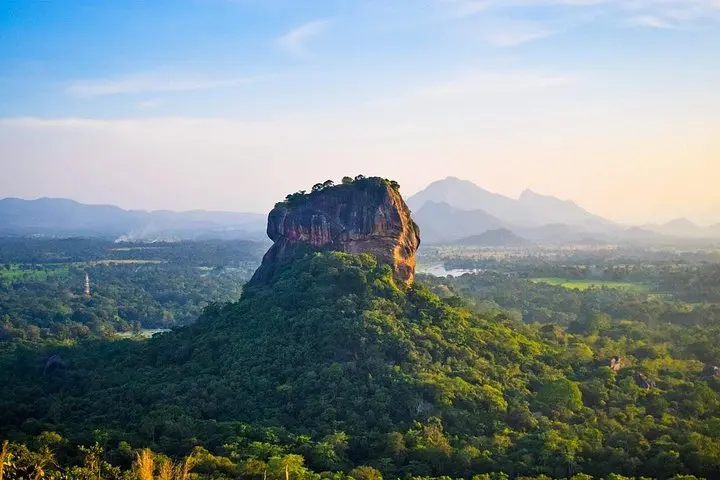
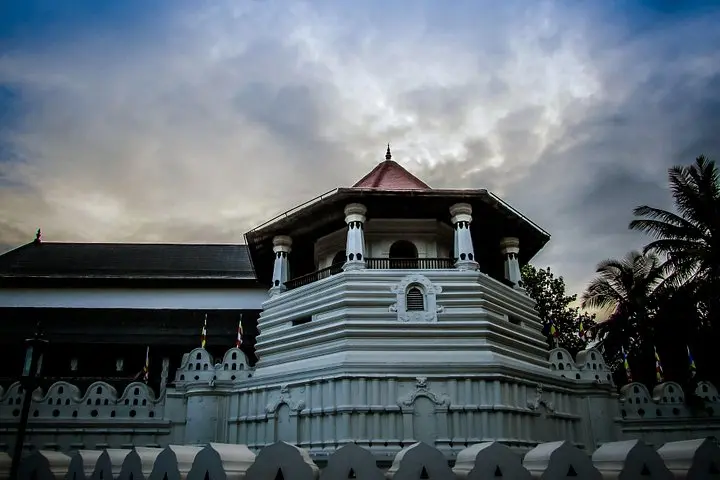
Climb Sigiriya early to beat the heat—its sheer sides rise roughly 200 meters above the plains, with iron stairways that place you beside frescoes and ancient masonry. The rock is a relic of Sri Lanka’s complicated past: a fortified royal citadel from the 5th century, cut from the same geological forces that produced the island’s central highlands. From Sigiriya you’ll thread through Kandy, where the Temple of the Sacred Tooth anchors Buddhist practice and local craft markets hum with lacquerware and timber carvings.
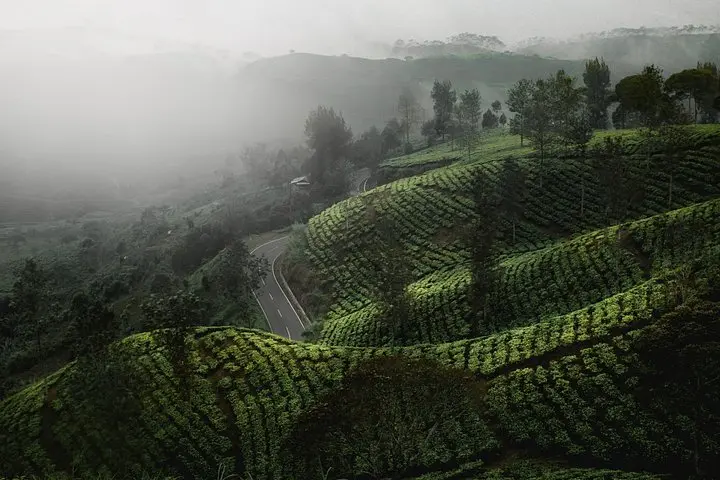
The highlands are cooler; Nuwara Eliya sits near 1,868 meters. Here, tea estates slope like a living map. Take the train from Nuwara Eliya to Ella—a slow, rickety window onto cloud and valley—and step out at Nine Arch Bridge, where colonial‑era rails bridge a shallow gorge. Southward, Yala’s scrub and lagoons harbor elephants and elusive leopards best seen on a dawn half‑day safari. At Mirissa, boats head offshore: November through April is prime for blue whales and sperm whales.
This itinerary is practical by design. The trip is private with hotel pickup from Colombo or Negombo; accommodations are 3–5 star choices and breakfast is included most mornings. Expect substantial time in vehicles—several two‑ to five‑hour drives between stops—so bring entertainment and stretch often. Respect temple etiquette: shoulders and knees covered, and remove shoes where required.
Pack for microclimates: lightweight layers for the humid lowlands, a warm fleece for the hill stations, and a waterproof shell for sudden monsoon squalls. Footwear matters—sturdy trainers or light hiking boots for rock staircases and uneven paths. Bring a small pair of binoculars for safaris and whale watches; a telephoto lens is useful but a wide lens captures rail‑to‑valley vistas. Hydrate frequently; local bottled water is provided but carry a refillable bottle to reduce plastic.
Timing is everything—early starts for Sigiriya and Yala, late afternoons for Galle Fort and Unawatuna sunsets. Between curated highlights, leave a morning or an afternoon unscheduled; some of Sri Lanka’s best moments arrive unannounced: a tea plucker waving from a terrace, a leopard silhouette paused against pale grass, fishermen throwing nets from low wooden boats.
This nine‑day loop is equal parts geography lesson and wildlife encounter, threaded through centuries of history and modern hospitality. It’s organized travel with room for curiosity—exactly what you want when a place asks you to pay attention.
Most nationalities require an eTA (Electronic Travel Authorization) obtained before arrival—check Sri Lanka’s official immigration site and apply early.
November through April offers the most reliable sightings of blue and sperm whales off Mirissa.
This private tour includes transportation, hotels and some breakfasts; specific entrance fees (Sigiriya, Yala park fees) and optional train ticket upgrades may be additional—confirm with the operator before travel.
Expect several drives ranging from two to five hours between destinations; the itinerary balances transit days with full or half‑day activities.
The trip is labeled physically easy and private—good for families and older travelers who can manage some stair climbs and car transfers; discuss mobility needs with the operator prior to booking.
Sri Lankan rupee (LKR) is local currency; ATMs are available in major towns, and cards work in larger hotels—but carry cash for small vendors and tips.
Merganser Holidays operates guided outdoor trips and adventures with an emphasis on safety, stewardship, and memorable experiences.
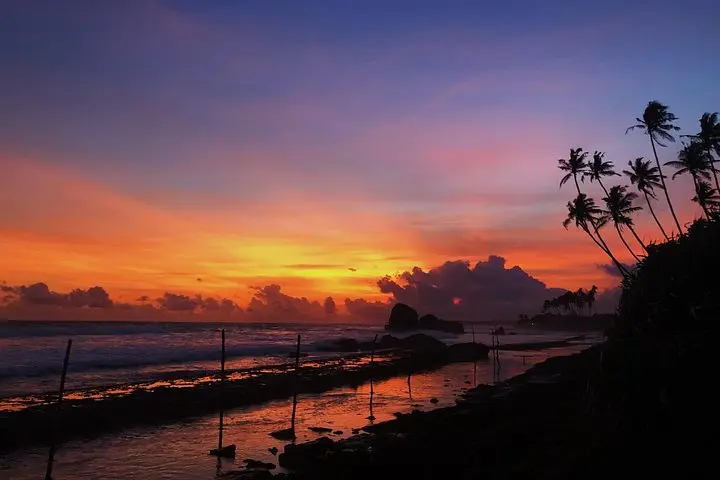
You arrive in Colombo before dawn; the air smells of diesel and sweet mango, and a driver in a clean, air‑conditioned van promises nine days that will push and soften your sense of scale. The island announces itself in stages: the flat, clamorous capital gives way to emerald tea terraces, a volcanic outcrop that rises like a weathered fortress, and a coastline where fishermen balance on single stilts as waves edge in.
You arrive in Colombo before dawn; the air smells of diesel and sweet mango, and a driver in a clean, air‑conditioned van promises nine days that will push and soften your sense of scale. The island announces itself in stages: the flat, clamorous capital gives way to emerald tea terraces, a volcanic outcrop that rises like a weathered fortress, and a coastline where fishermen balance on single stilts as waves edge in.
Climb Sigiriya early to beat the heat—its sheer sides rise roughly 200 meters above the plains, with iron stairways that place you beside frescoes and ancient masonry. The rock is a relic of Sri Lanka’s complicated past: a fortified royal citadel from the 5th century, cut from the same geological forces that produced the island’s central highlands. From Sigiriya you’ll thread through Kandy, where the Temple of the Sacred Tooth anchors Buddhist practice and local craft markets hum with lacquerware and timber carvings.
The highlands are cooler; Nuwara Eliya sits near 1,868 meters. Here, tea estates slope like a living map. Take the train from Nuwara Eliya to Ella—a slow, rickety window onto cloud and valley—and step out at Nine Arch Bridge, where colonial‑era rails bridge a shallow gorge. Southward, Yala’s scrub and lagoons harbor elephants and elusive leopards best seen on a dawn half‑day safari. At Mirissa, boats head offshore: November through April is prime for blue whales and sperm whales.
This itinerary is practical by design. The trip is private with hotel pickup from Colombo or Negombo; accommodations are 3–5 star choices and breakfast is included most mornings. Expect substantial time in vehicles—several two‑ to five‑hour drives between stops—so bring entertainment and stretch often. Respect temple etiquette: shoulders and knees covered, and remove shoes where required.
Pack for microclimates: lightweight layers for the humid lowlands, a warm fleece for the hill stations, and a waterproof shell for sudden monsoon squalls. Footwear matters—sturdy trainers or light hiking boots for rock staircases and uneven paths. Bring a small pair of binoculars for safaris and whale watches; a telephoto lens is useful but a wide lens captures rail‑to‑valley vistas. Hydrate frequently; local bottled water is provided but carry a refillable bottle to reduce plastic.
Timing is everything—early starts for Sigiriya and Yala, late afternoons for Galle Fort and Unawatuna sunsets. Between curated highlights, leave a morning or an afternoon unscheduled; some of Sri Lanka’s best moments arrive unannounced: a tea plucker waving from a terrace, a leopard silhouette paused against pale grass, fishermen throwing nets from low wooden boats.
This nine‑day loop is equal parts geography lesson and wildlife encounter, threaded through centuries of history and modern hospitality. It’s organized travel with room for curiosity—exactly what you want when a place asks you to pay attention.