THE ADVENTURE COLLECTIVE® · Independent discovery and booking for outdoor travel

A private nine-day loop through Egypt’s essential sites, combining Cairo’s museums and bazaars with a luxury Nile cruise and the monumental temples of Luxor, Aswan and Abu Simbel. Ideal for travelers who want guided access to major antiquities with practical logistics taken care of.
A private nine-day loop through Egypt’s essential sites, combining Cairo’s museums and bazaars with a luxury Nile cruise and the monumental temples of Luxor, Aswan and Abu Simbel. Ideal for travelers who want guided access to major antiquities with practical logistics taken care of.
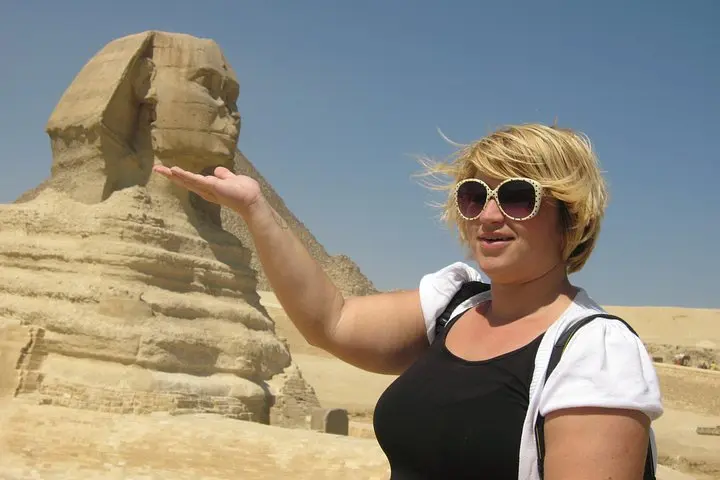
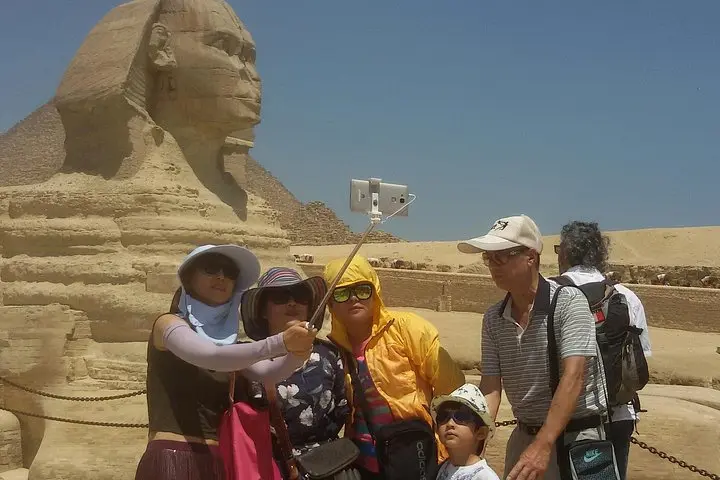
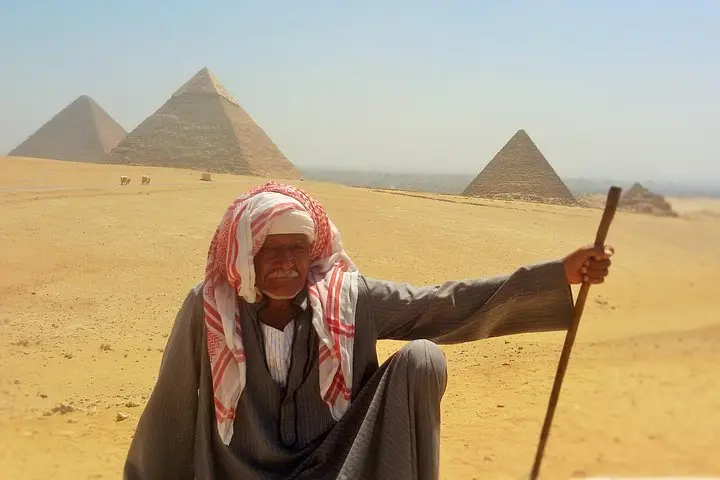
A thin heat shivers off the Giza plateau as the sun climbs; the Great Pyramid casts a long, clean shadow across stony sand while the Nile, a slow silver ribbon, promises greener days downstream.
Verified experiences and guided adventures in the surrounding area.
Operated by Travabia Travel · Cairo, Cairo Governorate
A thin heat shivers off the Giza plateau as the sun climbs; the Great Pyramid casts a long, clean shadow across stony sand while the Nile, a slow silver ribbon, promises greener days downstream.
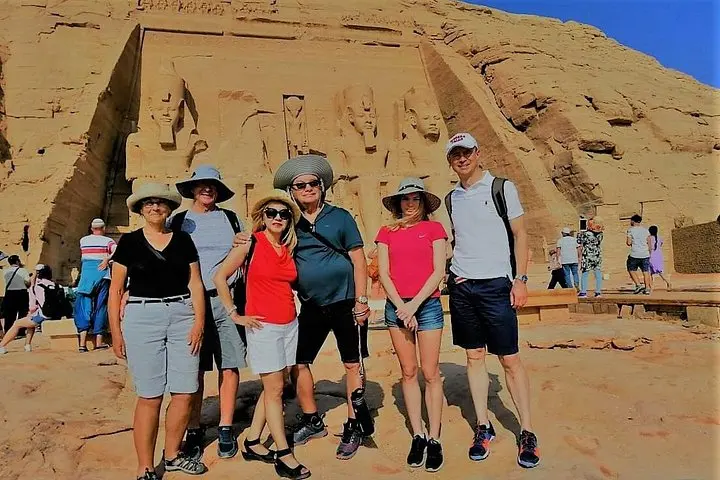
This nine-day private itinerary begins in Cairo — the city of ancient capitals — then threads through millennia: the Step Pyramid at Saqqara marks the technical leap from mastaba tombs to true pyramids, while the Giza Plateau lays out the geometric ambition of the Old Kingdom. In Luxor the stones speak of New Kingdom power at Karnak and Luxor Temples; across the river the Valley of the Kings hides painted burial chambers carved into limestone cliffs. Geology shapes the journey — wind-polished desert, alluvial banks that fed pharaonic agriculture, and the Nubian sandstone that frames Abu Simbel.
Culturally, the tour balances curated museum rooms (Tutankhamun’s treasures), lively market streets (Khan el-Khalili), and quiet temple courtyards where a guide will decode iconography and ritual. UNESCO’s rescue of Philae and Abu Simbel is a running subplot: modern engineering saving ancient stone.
Practical guidance: plan early-morning site visits to avoid heat and crowds, wear closed walking shoes for uneven stone and sand, and carry a reusable water bottle and sunscreen. Respect religious and cultural norms for modest dress in sacred spaces. Expect short domestic flights, comfortable Nile-cruise cabins, and a steady pace — this is a travel plan built for sight, not speed. With an Egyptologist-led private group, the trip is ideal for travelers who want focused access to major monuments with practical, on-the-ground logistics handled.
Most nationalities require a visa; many can obtain an e-visa in advance or a visa on arrival — check Egypt’s official immigration site and have passport details ready.
This private itinerary includes major site admissions and internal flights listed in the inclusions, but double-check the booking terms for any optional extras or special tomb fees.
Yes — the pace is moderate with hotel and cruise accommodations, but expect walking and some steps; mobile assistance and infant seats are available per the operator notes.
Photography rules vary: many museums allow photography without flash, while some tombs restrict photography to protect pigments; follow onsite signage and guide instructions.
Travabia Travel operates guided outdoor trips and adventures with an emphasis on safety, stewardship, and memorable experiences.
A thin heat shivers off the Giza plateau as the sun climbs; the Great Pyramid casts a long, clean shadow across stony sand while the Nile, a slow silver ribbon, promises greener days downstream.
A thin heat shivers off the Giza plateau as the sun climbs; the Great Pyramid casts a long, clean shadow across stony sand while the Nile, a slow silver ribbon, promises greener days downstream.
This nine-day private itinerary begins in Cairo — the city of ancient capitals — then threads through millennia: the Step Pyramid at Saqqara marks the technical leap from mastaba tombs to true pyramids, while the Giza Plateau lays out the geometric ambition of the Old Kingdom. In Luxor the stones speak of New Kingdom power at Karnak and Luxor Temples; across the river the Valley of the Kings hides painted burial chambers carved into limestone cliffs. Geology shapes the journey — wind-polished desert, alluvial banks that fed pharaonic agriculture, and the Nubian sandstone that frames Abu Simbel.
Culturally, the tour balances curated museum rooms (Tutankhamun’s treasures), lively market streets (Khan el-Khalili), and quiet temple courtyards where a guide will decode iconography and ritual. UNESCO’s rescue of Philae and Abu Simbel is a running subplot: modern engineering saving ancient stone.
Practical guidance: plan early-morning site visits to avoid heat and crowds, wear closed walking shoes for uneven stone and sand, and carry a reusable water bottle and sunscreen. Respect religious and cultural norms for modest dress in sacred spaces. Expect short domestic flights, comfortable Nile-cruise cabins, and a steady pace — this is a travel plan built for sight, not speed. With an Egyptologist-led private group, the trip is ideal for travelers who want focused access to major monuments with practical, on-the-ground logistics handled.