THE ADVENTURE COLLECTIVE® · Independent discovery and booking for outdoor travel

Walk the Tamang Heritage Trail across Langtang’s western valleys — a nine-day trek from Kathmandu that mixes cultural homestays, hot springs, and steady mountain walking. Expect forested ridgelines, Tamang villages, and daily sections of 4–6 hours of hiking.
Walk the Tamang Heritage Trail across Langtang’s western valleys — a nine-day trek from Kathmandu that mixes cultural homestays, hot springs, and steady mountain walking. Expect forested ridgelines, Tamang villages, and daily sections of 4–6 hours of hiking.
A thin morning light peels across terraced hills as the bus drops travelers into Syabrubesi; prayer flags tap the wind, and a narrow trail slips upward into fir and rhododendron. The air here feels deliberate — rivers hurry downstream, the slopes hold their histories close, and villages open like pages of a lived-in chronicle.
Verified experiences and guided adventures in the surrounding area.
Operated by Osho world Adventure · Syabrubesi, Bagmati Province
A thin morning light peels across terraced hills as the bus drops travelers into Syabrubesi; prayer flags tap the wind, and a narrow trail slips upward into fir and rhododendron. The air here feels deliberate — rivers hurry downstream, the slopes hold their histories close, and villages open like pages of a lived-in chronicle.
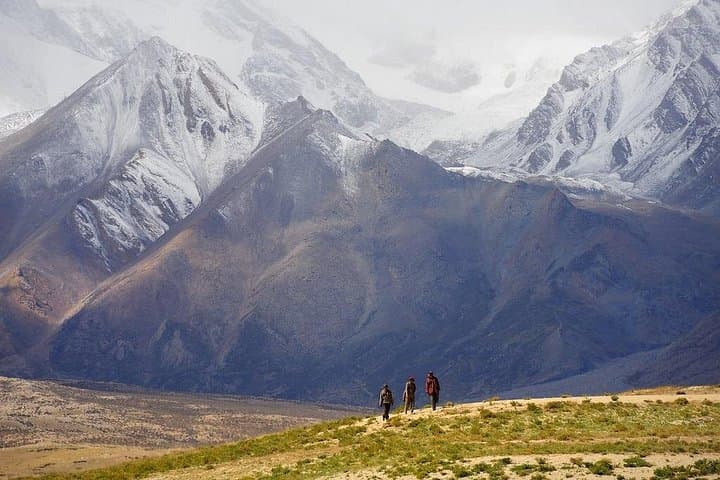
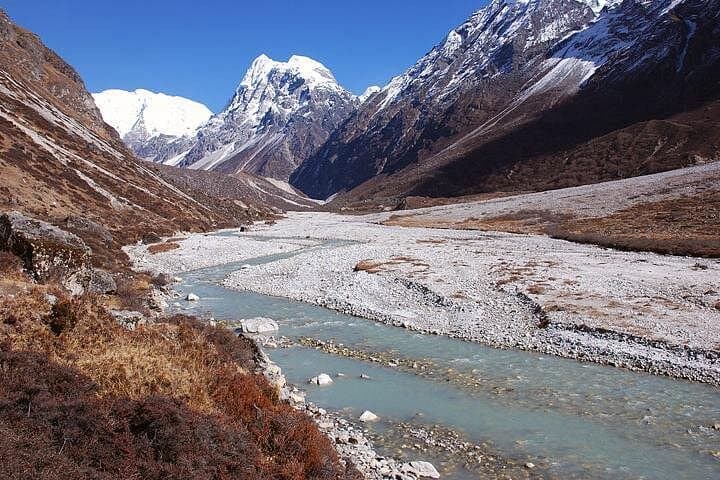
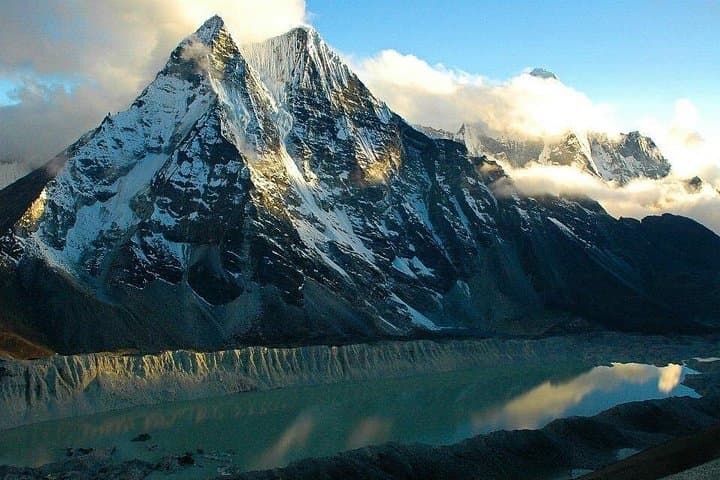
The Tamang Heritage Trail threads through the western flank of Langtang, a region shaped by uplifted metamorphic rock and glacial action that carved steep valleys and exposed ragged ridgelines. Tamang communities, of Tibetan origin, settled these heights centuries ago and keep prayer wheels, thangka painting, and a pastoral calendar that still guides daily life. The 2015 earthquake altered parts of the landscape and village architecture, but traditional stone houses and hospitality endure.
Daily hiking moves between 1,400–2,600 m, across suspension bridges, grassy ridgelines such as Nagthali Danda, and a restorative dip at Tatopani hot springs. Forests here are alive: rhododendron turns red in spring, and birds push through the canopy with high, abrupt calls. Nights are homestays — simple meals, wood fires, and stories about yak pastures and trans-Himalayan trade.
Practical guidance: expect 4–6 hours of walking on most days with mixed ascent and descent; pack layered clothing for sharp temperature shifts; use sturdy hiking boots and a reliable daypack. Acclimatize gradually, drink bottled or filtered water, and respect local customs (ask before photographing people or entering homes). The route favors travelers seeking cultural immersion paired with moderate alpine hiking — an accessible Himalayan trek that balances scenery, history, and human-scale adventure.
Yes—trekking in the Langtang region requires entry permits and TIMS registration; the operator typically handles these as part of the package.
Max overnight elevations are around 2,600 m on this route; altitude sickness is less common but still possible—ascend slowly and stay hydrated.
Accommodation is homestay-style in Tamang villages with simple twin rooms and home-cooked Nepali meals; vegetarian options are usually available with notice.
Yes; solo hikers commonly join small group departures with a guide and porter support for safety and logistics.
Osho world Adventure operates guided outdoor trips and adventures with an emphasis on safety, stewardship, and memorable experiences.
A thin morning light peels across terraced hills as the bus drops travelers into Syabrubesi; prayer flags tap the wind, and a narrow trail slips upward into fir and rhododendron. The air here feels deliberate — rivers hurry downstream, the slopes hold their histories close, and villages open like pages of a lived-in chronicle.
A thin morning light peels across terraced hills as the bus drops travelers into Syabrubesi; prayer flags tap the wind, and a narrow trail slips upward into fir and rhododendron. The air here feels deliberate — rivers hurry downstream, the slopes hold their histories close, and villages open like pages of a lived-in chronicle.
The Tamang Heritage Trail threads through the western flank of Langtang, a region shaped by uplifted metamorphic rock and glacial action that carved steep valleys and exposed ragged ridgelines. Tamang communities, of Tibetan origin, settled these heights centuries ago and keep prayer wheels, thangka painting, and a pastoral calendar that still guides daily life. The 2015 earthquake altered parts of the landscape and village architecture, but traditional stone houses and hospitality endure.
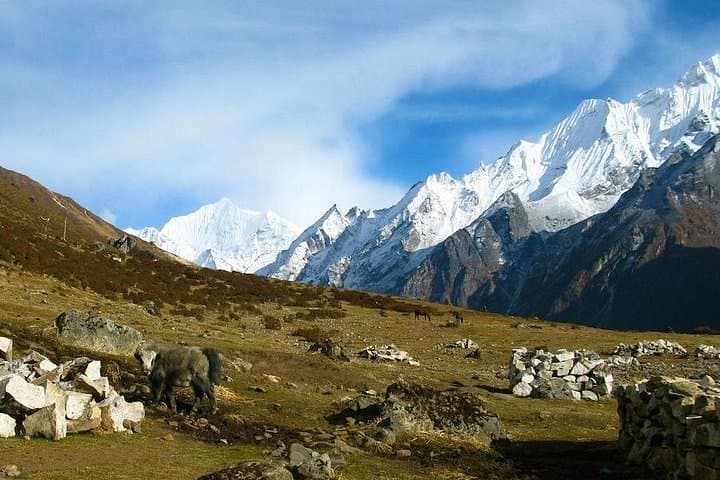
Daily hiking moves between 1,400–2,600 m, across suspension bridges, grassy ridgelines such as Nagthali Danda, and a restorative dip at Tatopani hot springs. Forests here are alive: rhododendron turns red in spring, and birds push through the canopy with high, abrupt calls. Nights are homestays — simple meals, wood fires, and stories about yak pastures and trans-Himalayan trade.
Practical guidance: expect 4–6 hours of walking on most days with mixed ascent and descent; pack layered clothing for sharp temperature shifts; use sturdy hiking boots and a reliable daypack. Acclimatize gradually, drink bottled or filtered water, and respect local customs (ask before photographing people or entering homes). The route favors travelers seeking cultural immersion paired with moderate alpine hiking — an accessible Himalayan trek that balances scenery, history, and human-scale adventure.