
9-Day Lhasa to Everest & Namtso: Lhasa Gyantse Shigatse Group Tour
A nine-day group circuit from Lhasa takes you through Potala’s chapels, the turquoise sweep of Lake Namtso, the Kumbum stupa in Gyantse and a sunrise at Everest Base Camp. Expect long drives, high passes and essential acclimatization planning.
An Adventure In Lhasa.
A nine-day group circuit from Lhasa takes you through Potala’s chapels, the turquoise sweep of Lake Namtso, the Kumbum stupa in Gyantse and a sunrise at Everest Base Camp. Expect long drives, high passes and essential acclimatization planning.
Read the full experience
You wake before dawn in thin air: the city is quiet, prayer flags stir like breath, and the silhouette of the Potala Palace cuts into a pale sky. Over the next nine days this group tour moves from the stacked chapels of Lhasa to high passes, turquoise lakes and the austere approach to Everest — a route that tests lungs as much as curiosity.
You wake before dawn in thin air: the city is quiet, prayer flags stir like breath, and the silhouette of the Potala Palace cuts into a pale sky. Over the next nine days this group tour moves from the stacked chapels of Lhasa to high passes, turquoise lakes and the austere approach to Everest — a route that tests lungs as much as curiosity.
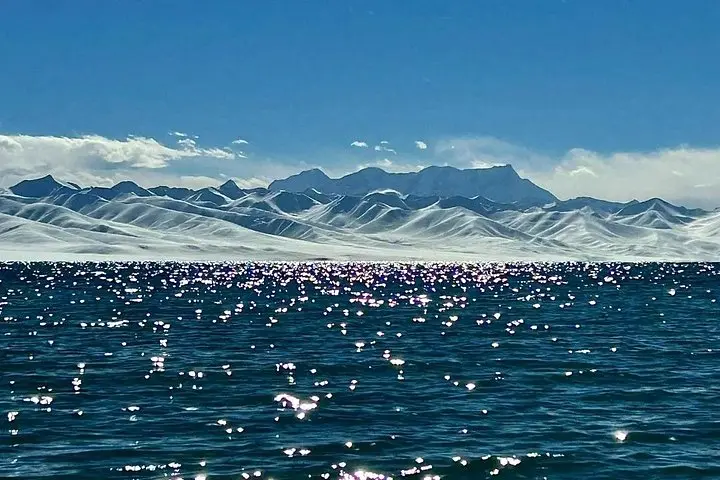
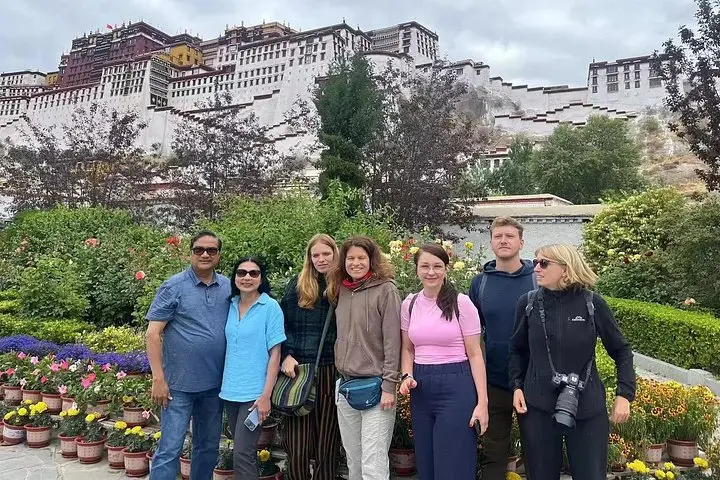
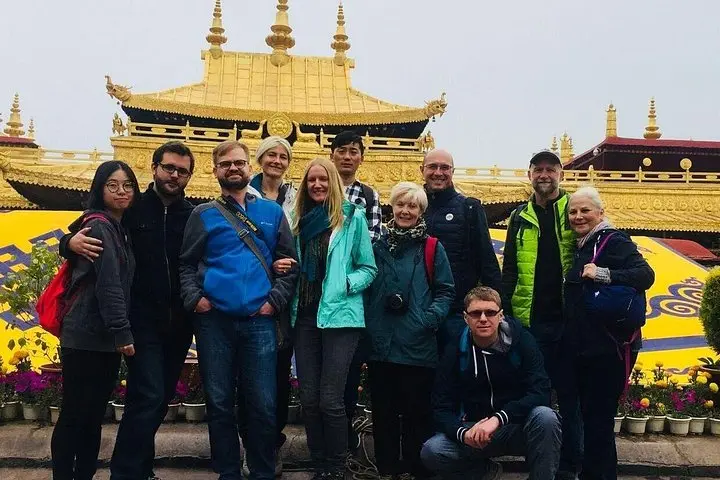
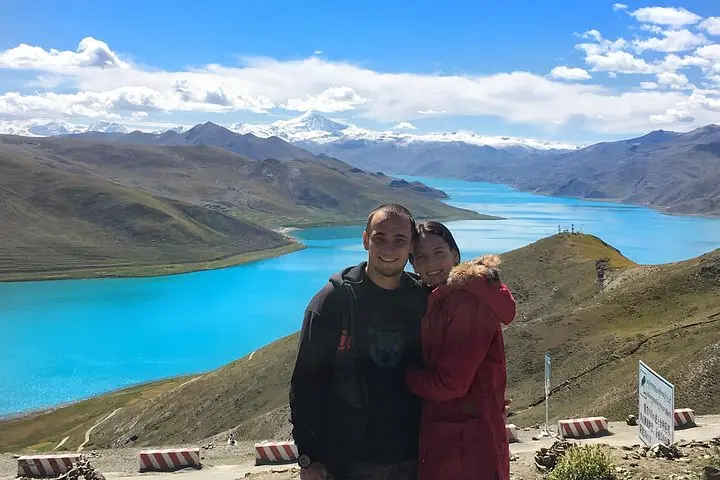
The itinerary threads together millennia of Tibetan history and dramatic geology. Lhasa’s Potala and Jokhang anchor the cultural portion: carved stupas, butter-lamp glow and Barkhor’s pilgrimage circuit. Travel west and the road climbs across the Nyenchen Tanglha and other Transhimalayan ranges — ancient uplifted seabed now shorn into sharp ridges and glacial valleys. Gyantse’s Kumbum stupa holds layered iconography; Shigatse’s Tashilhunpo preserves Panchen Lama history. Lake Namtso throws back impossible sky-blue at 4,718 m, and Karola Glacier offers a roadside reminder of ongoing glacial change.
Practically: expect long drives (several 5–7 hour days), one night in a nomad tent and basic high-altitude conditions. Acclimatize slowly, hydrate, limit alcohol and carry layers: nights drop cold even in summer. Bring sunscreen and a good pair of walking shoes for short treks and gravel surfaces. Permits are required for travel in Tibet — submit passport details early. Guides handle logistics and most breakfasts; budget small cash for snacks and optional tips. Sunrise at Everest Base Camp is the emotional peak — arrive prepared to be patient with light, cold, and shifting weather. This is as much a cultural journey as an alpine passage: travel respectfully, leave no trace, and the plateau will reward you with stark, honest vistas.
Frequently asked questions
Yes. International travelers require Tibet Tourism Bureau (TTB) permits arranged through an authorized operator; submit passport details well before departure.
Altitude is the main health concern—symptoms vary. Follow guide advice, ascend slowly, hydrate, rest and seek medical help if severe symptoms occur.
You don’t need technical climbing skills; reasonable aerobic fitness and the ability to manage several hours of driving and short walks at altitude are sufficient.
Most nights are in 3–4 star hotels; one night is spent in a basic nomad tent (dorm bed) near Everest—expect primitive facilities there.
About This Experience
Great Tibet Tour operates guided outdoor trips and adventures with an emphasis on safety, stewardship, and memorable experiences.
Adventure tips
Recommended gear
- Layered clothing (base, insulating, shell): Flexible layers let you adapt to big daytime/winter-night temperature swings at altitude.
- High-SPF sunscreen & UV sunglasses: Protects against intense high-elevation UV exposure, even on cloudy days.
- Sturdy walking shoes with good grip: Useful for gravel approaches, short treks, and uneven terrain around temples and lakes.
- Insulated water bottle and electrolyte mix: Keeps fluids from freezing at dawn and helps maintain hydration to fight altitude effects.
Photos of the experience
Related adventures & guides
Read the full experience
You wake before dawn in thin air: the city is quiet, prayer flags stir like breath, and the silhouette of the Potala Palace cuts into a pale sky. Over the next nine days this group tour moves from the stacked chapels of Lhasa to high passes, turquoise lakes and the austere approach to Everest — a route that tests lungs as much as curiosity.
You wake before dawn in thin air: the city is quiet, prayer flags stir like breath, and the silhouette of the Potala Palace cuts into a pale sky. Over the next nine days this group tour moves from the stacked chapels of Lhasa to high passes, turquoise lakes and the austere approach to Everest — a route that tests lungs as much as curiosity.
The itinerary threads together millennia of Tibetan history and dramatic geology. Lhasa’s Potala and Jokhang anchor the cultural portion: carved stupas, butter-lamp glow and Barkhor’s pilgrimage circuit. Travel west and the road climbs across the Nyenchen Tanglha and other Transhimalayan ranges — ancient uplifted seabed now shorn into sharp ridges and glacial valleys. Gyantse’s Kumbum stupa holds layered iconography; Shigatse’s Tashilhunpo preserves Panchen Lama history. Lake Namtso throws back impossible sky-blue at 4,718 m, and Karola Glacier offers a roadside reminder of ongoing glacial change.
Practically: expect long drives (several 5–7 hour days), one night in a nomad tent and basic high-altitude conditions. Acclimatize slowly, hydrate, limit alcohol and carry layers: nights drop cold even in summer. Bring sunscreen and a good pair of walking shoes for short treks and gravel surfaces. Permits are required for travel in Tibet — submit passport details early. Guides handle logistics and most breakfasts; budget small cash for snacks and optional tips. Sunrise at Everest Base Camp is the emotional peak — arrive prepared to be patient with light, cold, and shifting weather. This is as much a cultural journey as an alpine passage: travel respectfully, leave no trace, and the plateau will reward you with stark, honest vistas.
Make a day of it nearby.
Verified experiences and guided adventures in the surrounding area.