THE ADVENTURE COLLECTIVE® · Independent discovery and booking for outdoor travel

Spend 90 minutes at a working camel farm outside Dubai—ride, learn about camel racing culture, and share tea with handlers. This gentle, culturally rich desert experience mixes hands-on animal time with practical riding instruction.
Spend 90 minutes at a working camel farm outside Dubai—ride, learn about camel racing culture, and share tea with handlers. This gentle, culturally rich desert experience mixes hands-on animal time with practical riding instruction.
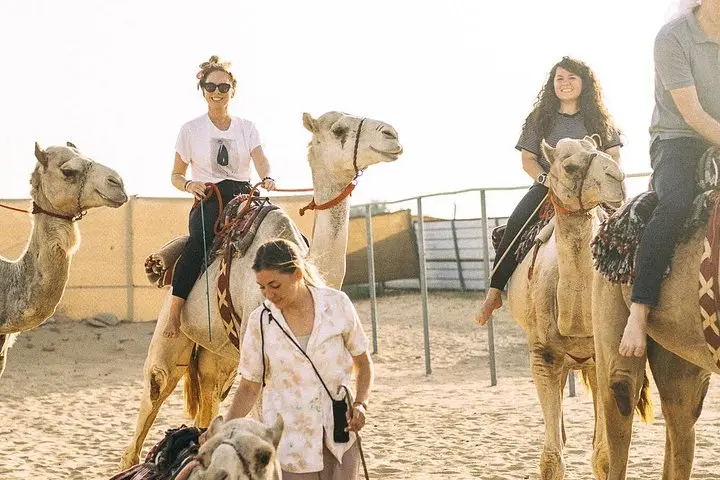
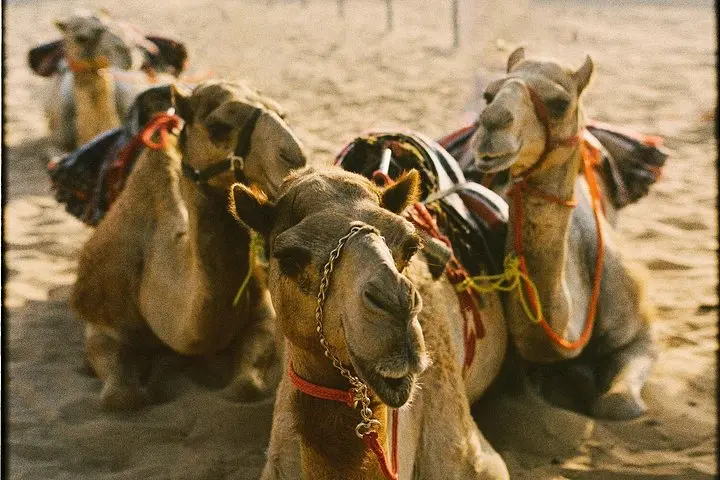
The desert opens like a wide, slow ocean; wind-sculpted dunes roll away and the camels move with deliberate patience, their padded feet whispering on sand. You meet your camel at a working farm outside the city, mount with the guide’s steady hand, and feel the animal shift as it rises—the world tilts for a moment, then settles into a slow walk.
Verified experiences and guided adventures in the surrounding area.
Operated by Arabian Desert Camel Riding Center · Dubai, Dubai
The desert opens like a wide, slow ocean; wind-sculpted dunes roll away and the camels move with deliberate patience, their padded feet whispering on sand. You meet your camel at a working farm outside the city, mount with the guide’s steady hand, and feel the animal shift as it rises—the world tilts for a moment, then settles into a slow walk.
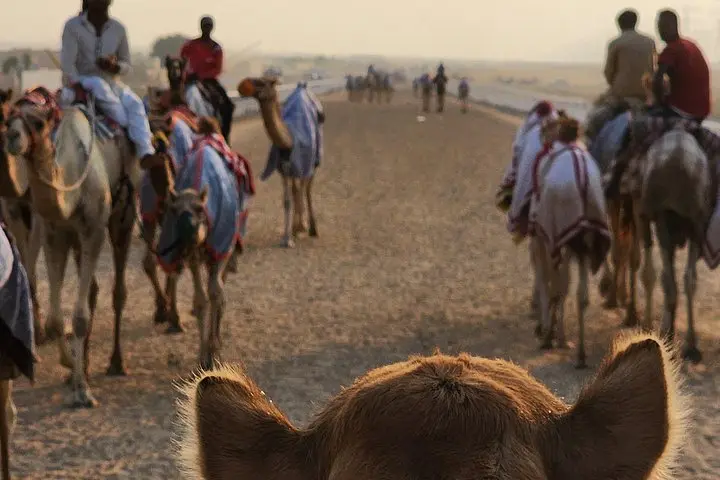
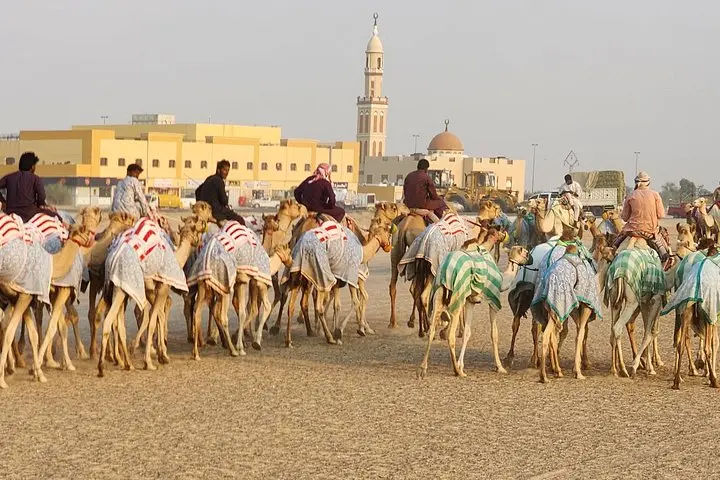
Camels have shaped Emirati life for centuries: transport, milk, and racing connect modern Dubai to Bedouin practice. The camel farms around Dubai combine contemporary training for camel racing with hands-on cultural interpretation—expect to hear about selective breeding, training saddles, and how camels endure heat and scarce water through physiological adaptations.
The terrain is flat hardpack and soft sand near corrals and training tracks rather than steep dunes; during the ride camels mainly walk with short trots, so the physical demand is moderate but mounting/dismounting requires basic mobility. After the ride, tea, water and dates offer a moment to sit among handlers and learn local stories.
Practical notes: rides typically run 90 minutes including briefing; weight limits and health restrictions apply (check provider for limits and age rules). Go early morning or late afternoon to avoid peak heat, wear long sleeves and closed-toe shoes, and carry water. Follow the guide’s instructions—camels respond to calm movement—and be prepared to socialize with the animals; they're trained and accustomed to riders. This experience is part cultural visit, part gentle adventure: slow, tactile, and rooted in desert practice.
Yes—operators typically set a weight limit (around 95 kg/209 lbs); confirm at booking to ensure safety.
Children can usually join if they meet weight and age requirements—bookings require age details, and guardians must supervise.
Participants are invited to stay for tea, water and dates and to speak with handlers about camels and racing culture.
Pickup policies vary—some operators offer transfer options; check the provider’s booking terms before confirming.
Arabian Desert Camel Riding Center operates guided outdoor trips and adventures with an emphasis on safety, stewardship, and memorable experiences.
The desert opens like a wide, slow ocean; wind-sculpted dunes roll away and the camels move with deliberate patience, their padded feet whispering on sand. You meet your camel at a working farm outside the city, mount with the guide’s steady hand, and feel the animal shift as it rises—the world tilts for a moment, then settles into a slow walk.
The desert opens like a wide, slow ocean; wind-sculpted dunes roll away and the camels move with deliberate patience, their padded feet whispering on sand. You meet your camel at a working farm outside the city, mount with the guide’s steady hand, and feel the animal shift as it rises—the world tilts for a moment, then settles into a slow walk.
Camels have shaped Emirati life for centuries: transport, milk, and racing connect modern Dubai to Bedouin practice. The camel farms around Dubai combine contemporary training for camel racing with hands-on cultural interpretation—expect to hear about selective breeding, training saddles, and how camels endure heat and scarce water through physiological adaptations.
The terrain is flat hardpack and soft sand near corrals and training tracks rather than steep dunes; during the ride camels mainly walk with short trots, so the physical demand is moderate but mounting/dismounting requires basic mobility. After the ride, tea, water and dates offer a moment to sit among handlers and learn local stories.
Practical notes: rides typically run 90 minutes including briefing; weight limits and health restrictions apply (check provider for limits and age rules). Go early morning or late afternoon to avoid peak heat, wear long sleeves and closed-toe shoes, and carry water. Follow the guide’s instructions—camels respond to calm movement—and be prepared to socialize with the animals; they're trained and accustomed to riders. This experience is part cultural visit, part gentle adventure: slow, tactile, and rooted in desert practice.