THE ADVENTURE COLLECTIVE® · Independent discovery and booking for outdoor travel

Board a late-evening cruise from Reykjavik to watch humpbacks, minkes and occasional orcas under the Arctic Sun. This 2–2.5 hour tour emphasizes responsible viewing and expert commentary while offering unusual, low-angle light for photos.
Board a late-evening cruise from Reykjavik to watch humpbacks, minkes and occasional orcas under the Arctic Sun. This 2–2.5 hour tour emphasizes responsible viewing and expert commentary while offering unusual, low-angle light for photos.
The boat slips quietly from Reykjavik's harbor as the sun hangs low, a slow, pale furnace over Faxaflói Bay. Salted air lifts off the water; guides scan the horizon with practiced calm. At 9pm, the light softens into long gold and blue bands, and the sea begins to show its larger residents—humpbacks rolling, minkes surfacing, occasional orca fins cutting the mirror.
Verified experiences and guided adventures in the surrounding area.
Operated by Reykjavik Sailors · Reykjavik, Capital Region
The boat slips quietly from Reykjavik's harbor as the sun hangs low, a slow, pale furnace over Faxaflói Bay. Salted air lifts off the water; guides scan the horizon with practiced calm. At 9pm, the light softens into long gold and blue bands, and the sea begins to show its larger residents—humpbacks rolling, minkes surfacing, occasional orca fins cutting the mirror.
This stretch of coastline has been a working harbor for centuries, shaped by glacial retreat and volcanic soils that feed short, sharp river systems into the bay. The geology underfoot—young basalt flows and marine sediments—creates productive feeding grounds for fish and plankton, which in turn attract whales. Reykjavik’s maritime culture is practical and open; locals respect the rhythms of the sea and balance tourism with tradition.
Expect a 2–2.5 hour shared cruise, clear commentary from guides, and a focus on responsible viewing distances. The evening timing reduces glare for photography but can be colder and windier than daytime trips. Bring layered, windproof clothing, secure footwear, and a camera with a fast shutter. Seasickness tablets are often provided; if prone, take them before boarding and choose a mid-deck spot.
Practical tips: arrive 30 minutes early, check the operator’s daily diary for sightings and departure updates, and be prepared to return around midnight. The cruise mixes wildlife optimism with realistic odds—sightings are common but never guaranteed; operators typically offer a free rebooking if no whales are seen. For photographers and night-light chasers, this late-evening slot makes for uncommon light and memorable encounters with Arctic whales.
Typical return to Reykjavik harbor is around midnight depending on sightings and sea conditions.
Sightings are common but not guaranteed; most operators offer a free rebooking or voucher if no whales are seen.
Yes—stroller access is noted and the cruise is rated easy, but bring warm clothing for small children and check accessibility for wheelchairs with the operator.
Take over-the-counter seasickness tablets before boarding; operators often provide complimentary tablets and recommend choosing a mid-ship seat.
Reykjavik Sailors operates guided outdoor trips and adventures with an emphasis on safety, stewardship, and memorable experiences.
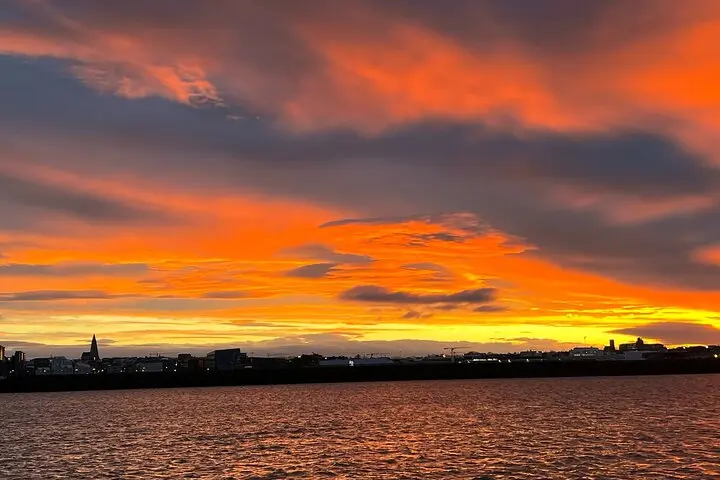
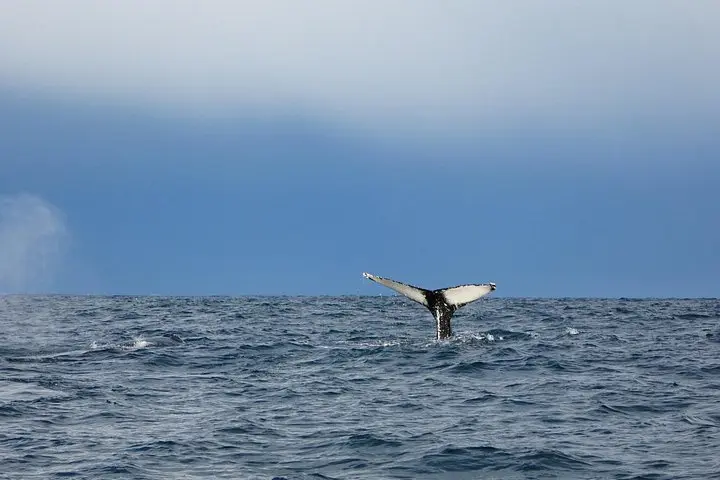
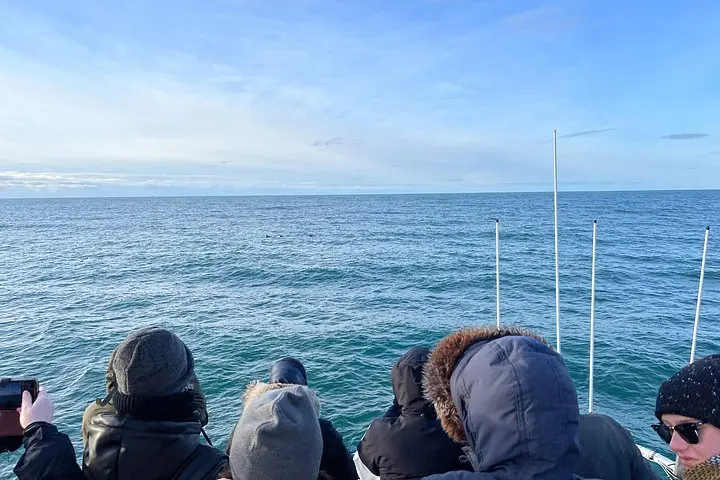
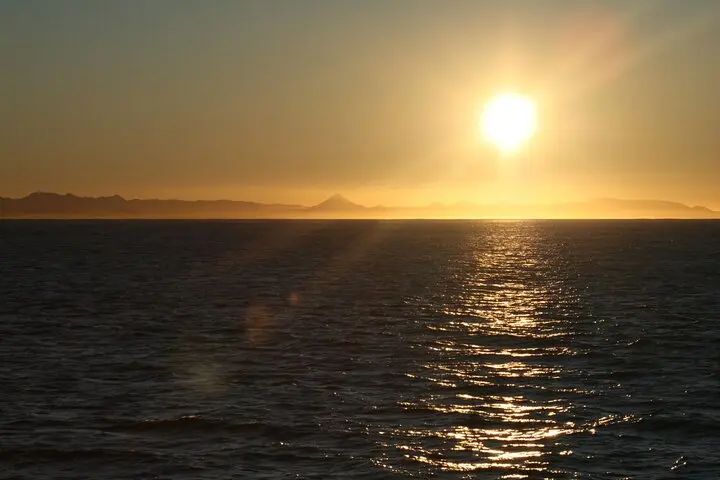
The boat slips quietly from Reykjavik's harbor as the sun hangs low, a slow, pale furnace over Faxaflói Bay. Salted air lifts off the water; guides scan the horizon with practiced calm. At 9pm, the light softens into long gold and blue bands, and the sea begins to show its larger residents—humpbacks rolling, minkes surfacing, occasional orca fins cutting the mirror.
The boat slips quietly from Reykjavik's harbor as the sun hangs low, a slow, pale furnace over Faxaflói Bay. Salted air lifts off the water; guides scan the horizon with practiced calm. At 9pm, the light softens into long gold and blue bands, and the sea begins to show its larger residents—humpbacks rolling, minkes surfacing, occasional orca fins cutting the mirror.
This stretch of coastline has been a working harbor for centuries, shaped by glacial retreat and volcanic soils that feed short, sharp river systems into the bay. The geology underfoot—young basalt flows and marine sediments—creates productive feeding grounds for fish and plankton, which in turn attract whales. Reykjavik’s maritime culture is practical and open; locals respect the rhythms of the sea and balance tourism with tradition.
Expect a 2–2.5 hour shared cruise, clear commentary from guides, and a focus on responsible viewing distances. The evening timing reduces glare for photography but can be colder and windier than daytime trips. Bring layered, windproof clothing, secure footwear, and a camera with a fast shutter. Seasickness tablets are often provided; if prone, take them before boarding and choose a mid-deck spot.
Practical tips: arrive 30 minutes early, check the operator’s daily diary for sightings and departure updates, and be prepared to return around midnight. The cruise mixes wildlife optimism with realistic odds—sightings are common but never guaranteed; operators typically offer a free rebooking if no whales are seen. For photographers and night-light chasers, this late-evening slot makes for uncommon light and memorable encounters with Arctic whales.