THE ADVENTURE COLLECTIVE® · Independent discovery and booking for outdoor travel

Move at the pace of shell and sun at A Cupulatta, Europe’s foremost turtle and tortoise park a short drive from Ajaccio. This practical guide covers what you’ll see, how the park supports conservation, and tips to make the most of a 1–2 hour visit.
Move at the pace of shell and sun at A Cupulatta, Europe’s foremost turtle and tortoise park a short drive from Ajaccio. This practical guide covers what you’ll see, how the park supports conservation, and tips to make the most of a 1–2 hour visit.
Stepping into A Cupulatta feels like entering a slow-motion world where shells and sun share the spotlight. The park’s paths thread through two hectares of Mediterranean scrub and shaded terraces; tortoises amble across stone-sunlit clearings while terrariums hum quietly in the clinic area. Visitors move at the animals’ pace, cameras lowered to observe rather than startle.
Verified experiences and guided adventures in the surrounding area.
Operated by A Cupulatta · Ajaccio, Corsica
Stepping into A Cupulatta feels like entering a slow-motion world where shells and sun share the spotlight. The park’s paths thread through two hectares of Mediterranean scrub and shaded terraces; tortoises amble across stone-sunlit clearings while terrariums hum quietly in the clinic area. Visitors move at the animals’ pace, cameras lowered to observe rather than startle.
The site is Europe’s leading park dedicated to turtles and tortoises, housing roughly 130 species and over 2,000 individuals. Its modern clinic (added in 2017) supports breeding programs, incubators and neonatal care—part of a conservation-focused mission that combines public education with husbandry. Geologically, the park sits within Corsica’s rugged interior: granite outcrops, maquis shrubland and a Mediterranean climate shape the microhabitats that both local and exotic chelonians occupy.
Culturally, the stop pairs well with a drive from Ajaccio toward Corte—expect Corsican snacks on-site like local cheeses and charcuterie that reflect island foodways. The park’s small souvenir shop focuses on turtle-themed crafts made on the island.
Practical guidance: plan 60–120 minutes, bring sun protection, and buy a mobile or paper ticket in advance to streamline entry. Paths are largely flat and wheelchair/stroller accessible; shaded picnic benches make a good mid-visit break. Avoid feeding animals, stay behind barriers, and visit earlier or later in summer to escape midday heat. The park offers free Wi‑Fi, snacks, and toilets; children must be supervised. For photographers, low sun near opening or late afternoon yields the gentlest shadows and the calmest animals.
Plan 60–120 minutes to see exhibits, the clinic viewing areas, and to pause at shaded picnic spots.
Mobile or paper tickets are accepted; purchase ahead to streamline entry and note bookings are one ticket per booking.
Yes—paths are generally flat and stroller/wheelchair accessible, though some elevated platforms may have steps.
Only service animals are allowed; general pets are not permitted to protect resident animals.
A Cupulatta operates guided outdoor trips and adventures with an emphasis on safety, stewardship, and memorable experiences.
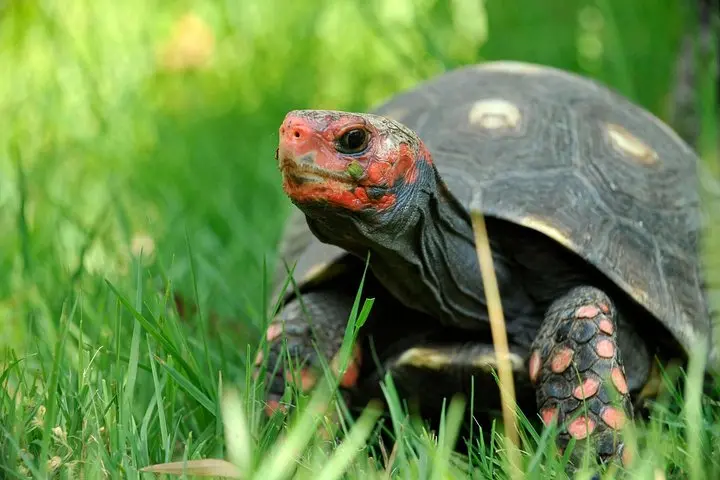
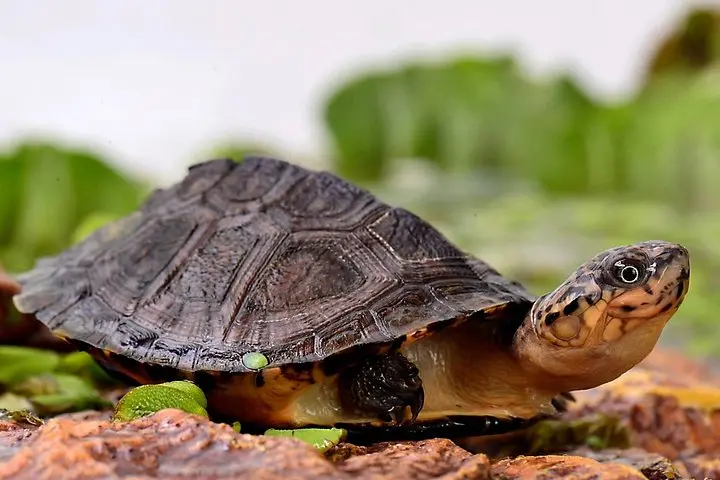
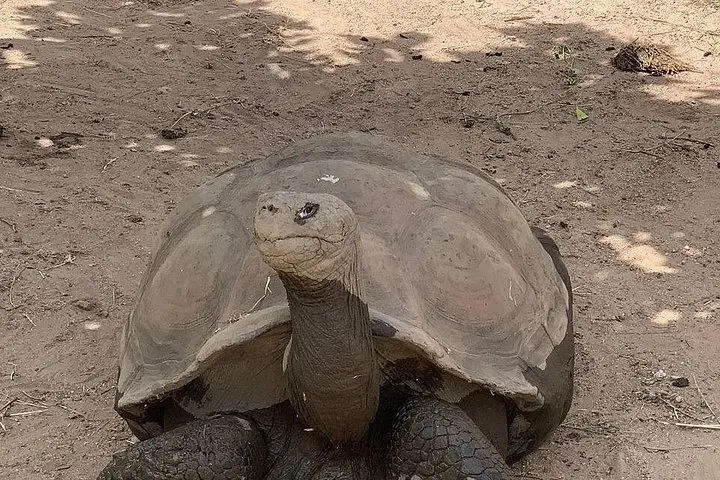
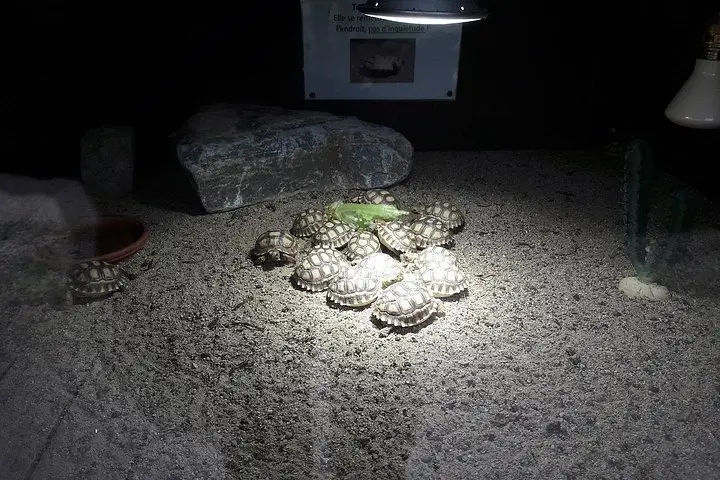
Stepping into A Cupulatta feels like entering a slow-motion world where shells and sun share the spotlight. The park’s paths thread through two hectares of Mediterranean scrub and shaded terraces; tortoises amble across stone-sunlit clearings while terrariums hum quietly in the clinic area. Visitors move at the animals’ pace, cameras lowered to observe rather than startle.
Stepping into A Cupulatta feels like entering a slow-motion world where shells and sun share the spotlight. The park’s paths thread through two hectares of Mediterranean scrub and shaded terraces; tortoises amble across stone-sunlit clearings while terrariums hum quietly in the clinic area. Visitors move at the animals’ pace, cameras lowered to observe rather than startle.
The site is Europe’s leading park dedicated to turtles and tortoises, housing roughly 130 species and over 2,000 individuals. Its modern clinic (added in 2017) supports breeding programs, incubators and neonatal care—part of a conservation-focused mission that combines public education with husbandry. Geologically, the park sits within Corsica’s rugged interior: granite outcrops, maquis shrubland and a Mediterranean climate shape the microhabitats that both local and exotic chelonians occupy.
Culturally, the stop pairs well with a drive from Ajaccio toward Corte—expect Corsican snacks on-site like local cheeses and charcuterie that reflect island foodways. The park’s small souvenir shop focuses on turtle-themed crafts made on the island.
Practical guidance: plan 60–120 minutes, bring sun protection, and buy a mobile or paper ticket in advance to streamline entry. Paths are largely flat and wheelchair/stroller accessible; shaded picnic benches make a good mid-visit break. Avoid feeding animals, stay behind barriers, and visit earlier or later in summer to escape midday heat. The park offers free Wi‑Fi, snacks, and toilets; children must be supervised. For photographers, low sun near opening or late afternoon yields the gentlest shadows and the calmest animals.