THE ADVENTURE COLLECTIVE® · Independent discovery and booking for outdoor travel

Spend a full day outside Ulaanbaatar visiting Gandantegchinlen Monastery and the artist-founded Aglag Buteel Temple. Expect granite outcrops, an intimate private museum of odd natural artifacts, and easy walking around sacred spaces.
Spend a full day outside Ulaanbaatar visiting Gandantegchinlen Monastery and the artist-founded Aglag Buteel Temple. Expect granite outcrops, an intimate private museum of odd natural artifacts, and easy walking around sacred spaces.
A cold wind moves through the pines as you step from the van: the main temple sits against low granite ribs, trees brushing temple eaves, and a small band of worshippers ring prayer beads on the courtyard steps. Morning begins in Ulaanbaatar with the Gandantegchinlen Monastery’s chanting—lamas open the day with ritual that anchors the city’s pulse—then the road carries you out to Aglag Buteel, where art and landscape meet.
Verified experiences and guided adventures in the surrounding area.
Operated by Mongolian Vision Tours · Ulaanbaatar, Ulaanbaatar
A cold wind moves through the pines as you step from the van: the main temple sits against low granite ribs, trees brushing temple eaves, and a small band of worshippers ring prayer beads on the courtyard steps. Morning begins in Ulaanbaatar with the Gandantegchinlen Monastery’s chanting—lamas open the day with ritual that anchors the city’s pulse—then the road carries you out to Aglag Buteel, where art and landscape meet.
Aglag Buteel was founded by a Mongolian Buddhist artist-scholar who used natural outcrops and wooded clearings as part of the site’s design; the result is a place where carved iconography, wind-polished granite, and improvised shrines coexist. The on-site museum on the second floor displays eccentric natural curiosities—4-horned ram skull, single-horned ibex skull, preserved crocodile skin, and a five-headed fish—that reflect regional collecting traditions and a local appetite for unusual specimens.
Geologically, the temple sits where ancient granite rises through steppe soils, creating short, rocky ridges that frame views back toward Ulaanbaatar on clear days. Culturally, the site blends contemporary devotional practice with personal artistry: expect informal, owner-curated exhibits and the quiet of a working temple rather than a polished national museum.
Practical notes: tours typically run a full day (about 8–9 hours), include lunch, guide service, park fees, and transport. Wear sturdy shoes for uneven outcrops, carry water and modest clothing for temple etiquette, and bring some cash for entrance donations. If you value photography, ask before shooting inside prayer spaces or the private collection.
The full-day itinerary runs about 8–9 hours, including transfers from Ulaanbaatar, monastery visits, lunch, and time at Aglag Buteel.
Yes; the tour is rated easy and suitable for most ages, though guests with serious spinal issues are advised against participation due to vehicle transfer and some uneven walking.
Yes—park entrance fees and lunch are included in the tour price according to the itinerary details.
Ask the guide or site owner—photography policies vary for private collections and inside prayer areas, and respectful permission is recommended.
Mongolian Vision Tours operates guided outdoor trips and adventures with an emphasis on safety, stewardship, and memorable experiences.
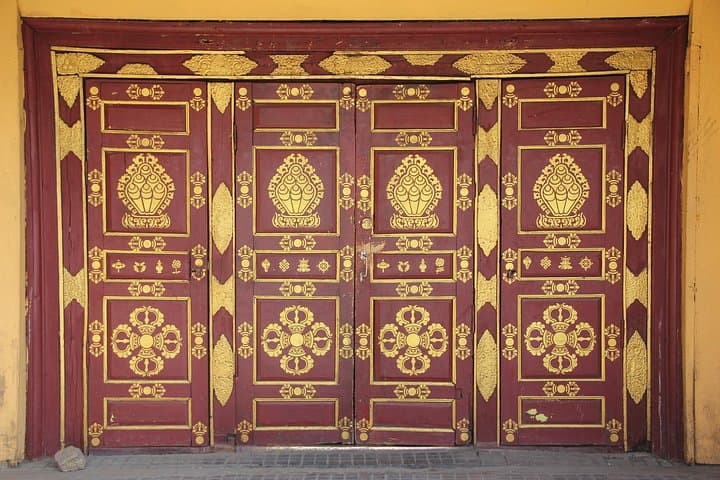

A cold wind moves through the pines as you step from the van: the main temple sits against low granite ribs, trees brushing temple eaves, and a small band of worshippers ring prayer beads on the courtyard steps. Morning begins in Ulaanbaatar with the Gandantegchinlen Monastery’s chanting—lamas open the day with ritual that anchors the city’s pulse—then the road carries you out to Aglag Buteel, where art and landscape meet.
A cold wind moves through the pines as you step from the van: the main temple sits against low granite ribs, trees brushing temple eaves, and a small band of worshippers ring prayer beads on the courtyard steps. Morning begins in Ulaanbaatar with the Gandantegchinlen Monastery’s chanting—lamas open the day with ritual that anchors the city’s pulse—then the road carries you out to Aglag Buteel, where art and landscape meet.
Aglag Buteel was founded by a Mongolian Buddhist artist-scholar who used natural outcrops and wooded clearings as part of the site’s design; the result is a place where carved iconography, wind-polished granite, and improvised shrines coexist. The on-site museum on the second floor displays eccentric natural curiosities—4-horned ram skull, single-horned ibex skull, preserved crocodile skin, and a five-headed fish—that reflect regional collecting traditions and a local appetite for unusual specimens.
Geologically, the temple sits where ancient granite rises through steppe soils, creating short, rocky ridges that frame views back toward Ulaanbaatar on clear days. Culturally, the site blends contemporary devotional practice with personal artistry: expect informal, owner-curated exhibits and the quiet of a working temple rather than a polished national museum.
Practical notes: tours typically run a full day (about 8–9 hours), include lunch, guide service, park fees, and transport. Wear sturdy shoes for uneven outcrops, carry water and modest clothing for temple etiquette, and bring some cash for entrance donations. If you value photography, ask before shooting inside prayer spaces or the private collection.