THE ADVENTURE COLLECTIVE® · Independent discovery and booking for outdoor travel

Spend a day moving from the cool springs of the Bosna to wartime museums and the abandoned 1984 Olympic bobsleigh track. This guided, hotel‑picked tour blends nature, history and living culture across Sarajevo’s most significant sites.
Spend a day moving from the cool springs of the Bosna to wartime museums and the abandoned 1984 Olympic bobsleigh track. This guided, hotel‑picked tour blends nature, history and living culture across Sarajevo’s most significant sites.
Morning light cuts through beech and plane trees as the Bosna River springs push cool, clear water into the city — the tour opens here at Vrelo Bosne, where the river seems to dare you to slow down. From that natural pulse the day moves into layers of history: Ottoman bazaars spilling into Austro-Hungarian facades, a medieval clock that marks lunar time, and narrow cobbled streets where Bosnian coffee still steams under wooden awnings.
Verified experiences and guided adventures in the surrounding area.
Operated by Tour Mage · Sarajevo, Sarajevo Canton
Morning light cuts through beech and plane trees as the Bosna River springs push cool, clear water into the city — the tour opens here at Vrelo Bosne, where the river seems to dare you to slow down. From that natural pulse the day moves into layers of history: Ottoman bazaars spilling into Austro-Hungarian facades, a medieval clock that marks lunar time, and narrow cobbled streets where Bosnian coffee still steams under wooden awnings.
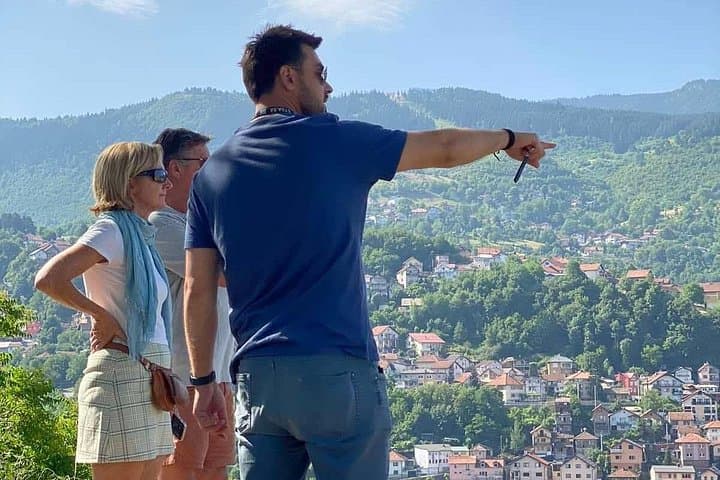
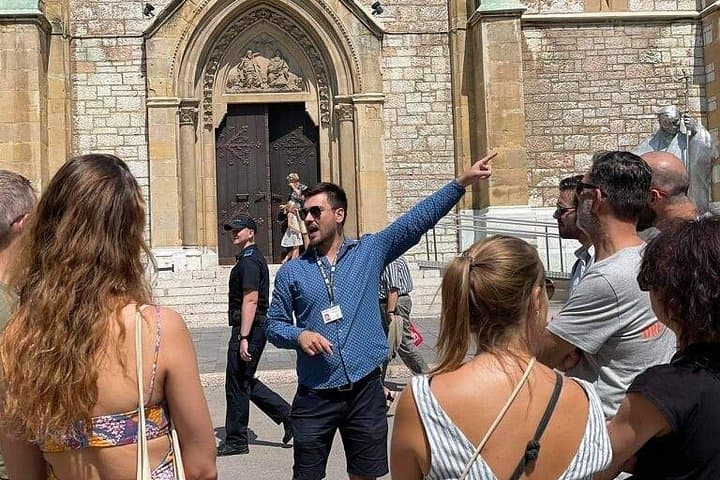
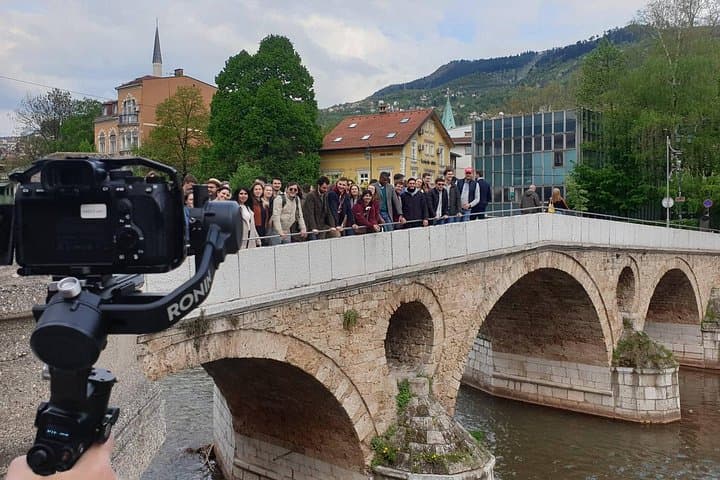
Geology and geography are tangible: Sarajevo sits in a bowl of the Dinaric Alps, karst springs feeding fast rivers that shaped local settlements. The itinerary threads through the 20th century — the Latin Bridge assassination site that sparked WWI, the 1984 Winter Olympics bobsleigh track on Trebević, and the Tunnel of Hope that speaks to the Siege of Sarajevo. Cultural crosswinds are obvious in Baščaršija’s Sarajevo-style handicrafts, Gazi Husrev-beg Mosque’s courtyard, and the Jewish quarter’s long arc of presence.
Practical guidance: the shared, air-conditioned tour runs about 6–7 hours with hotel pickup, bottled water, entrance fees to the Tunnel Museum and Vrelo Bosne, and lunch included. Expect short walks, stairs at Old Town and viewpoints like the Yellow Fortress; comfortable walking shoes and layered clothing are essential. Bring small cash (BAM) for souvenirs and tips, and a camera with extra battery — panoramic views from Tabija and Trebević reward early light. The guide will pace history and nature evenly; ask about quieter spots if you want fewer crowds. This is a full-day primer on Sarajevo’s geography, contested history, and living culture.
The tour lasts about 6–7 hours and includes hotel pickup, air‑conditioned transport, bottled water, lunch, entrance fees to the Tunnel Museum and Vrelo Bosne, and a licensed guide.
Yes—it's rated easy and suitable for all fitness levels, though mobility concerns with stairs and cobbles should be considered.
Entrance to the Tunnel Museum and Vrelo Bosne are included; some other sites like City Hall may have separate or optional entry.
Modest clothing is recommended—cover shoulders and knees; women may be asked to wear a headscarf in mosques and will be provided one if needed.
Tour Mage operates guided outdoor trips and adventures with an emphasis on safety, stewardship, and memorable experiences.

Morning light cuts through beech and plane trees as the Bosna River springs push cool, clear water into the city — the tour opens here at Vrelo Bosne, where the river seems to dare you to slow down. From that natural pulse the day moves into layers of history: Ottoman bazaars spilling into Austro-Hungarian facades, a medieval clock that marks lunar time, and narrow cobbled streets where Bosnian coffee still steams under wooden awnings.
Morning light cuts through beech and plane trees as the Bosna River springs push cool, clear water into the city — the tour opens here at Vrelo Bosne, where the river seems to dare you to slow down. From that natural pulse the day moves into layers of history: Ottoman bazaars spilling into Austro-Hungarian facades, a medieval clock that marks lunar time, and narrow cobbled streets where Bosnian coffee still steams under wooden awnings.
Geology and geography are tangible: Sarajevo sits in a bowl of the Dinaric Alps, karst springs feeding fast rivers that shaped local settlements. The itinerary threads through the 20th century — the Latin Bridge assassination site that sparked WWI, the 1984 Winter Olympics bobsleigh track on Trebević, and the Tunnel of Hope that speaks to the Siege of Sarajevo. Cultural crosswinds are obvious in Baščaršija’s Sarajevo-style handicrafts, Gazi Husrev-beg Mosque’s courtyard, and the Jewish quarter’s long arc of presence.
Practical guidance: the shared, air-conditioned tour runs about 6–7 hours with hotel pickup, bottled water, entrance fees to the Tunnel Museum and Vrelo Bosne, and lunch included. Expect short walks, stairs at Old Town and viewpoints like the Yellow Fortress; comfortable walking shoes and layered clothing are essential. Bring small cash (BAM) for souvenirs and tips, and a camera with extra battery — panoramic views from Tabija and Trebević reward early light. The guide will pace history and nature evenly; ask about quieter spots if you want fewer crowds. This is a full-day primer on Sarajevo’s geography, contested history, and living culture.