THE ADVENTURE COLLECTIVE® · Independent discovery and booking for outdoor travel

Spend a full day from Osaka exploring Ine’s boat houses, Amanohashidate’s pine-strewn sandbar, and the thatched-roof lanes of Miyama. This paced cultural loop blends seaside vistas with living history and easy walking.
Spend a full day from Osaka exploring Ine’s boat houses, Amanohashidate’s pine-strewn sandbar, and the thatched-roof lanes of Miyama. This paced cultural loop blends seaside vistas with living history and easy walking.
The bus eases away from Osaka before dawn and, by mid-morning, the sea opens up: narrow wooden boathouses cling to the water in Ine Bay, their weather-darkened faces reflecting in glassy tides. Wind teases pine needles along Amanohashidate’s sandbar, where 3.6 kilometers of low dunes and pines form a bridge that seems to lift toward the sky. Later, the thatched roofs of Miyama rise like layered waves of straw — quiet, steep-roofed houses that hold the shape of Edo-era village life.
Verified experiences and guided adventures in the surrounding area.
Operated by Hotel Takitei · Miyazu, Kyoto Prefecture
The bus eases away from Osaka before dawn and, by mid-morning, the sea opens up: narrow wooden boathouses cling to the water in Ine Bay, their weather-darkened faces reflecting in glassy tides. Wind teases pine needles along Amanohashidate’s sandbar, where 3.6 kilometers of low dunes and pines form a bridge that seems to lift toward the sky. Later, the thatched roofs of Miyama rise like layered waves of straw — quiet, steep-roofed houses that hold the shape of Edo-era village life.
These places are small chapters in Kyoto Prefecture’s coastal story. Ine’s funaya (boat houses) evolved from a fishing economy that put boats on the ground floor and living quarters above; Amanohashidate sits on Holocene sand deposits shaped by tidal currents and pine colonization; Miyama preserves kayabuki thatch techniques kept alive by local craftsmen. The culture here is practical and ritual—temple wells, shrine rites for seafarers, and milk-sweet local treats at village cafés.
Practically, expect a paced day tour: short walks, viewpoint climbs, and free time for cafés and photo spots. The terrain is mostly flat at the bay and sandbar, with a short uphill to Amanohashidate View Land; Miyama’s lanes are uneven packed-earth. Bring layered clothing against coastal breezes, cash for small shops, and comfortable shoes for narrow paths. Travel windows can be long—this is a 10-hour loop from Osaka—so plan for a full day and leave evening plans open. The route rewards curiosity: boats daring the tide, pines pointing the way, and villages that keep their old rhythms alive.
The tour runs about 10 hours total and departs from a designated meeting point in Osaka; arrive 15 minutes early to meet the guide.
Admissions are generally not included; the tour provides transportation and guiding. Plan to buy meals or snacks at local cafés and restaurants during free time.
The itinerary is labeled physically easy with short walks, but uneven ground and short steps in Miyama may challenge some with limited mobility; strollers are permitted on flat sections.
Guides speak English, Japanese and Chinese; pickup and drop-off are provided at designated points in Osaka as noted in booking details.
Hotel Takitei operates guided outdoor trips and adventures with an emphasis on safety, stewardship, and memorable experiences.
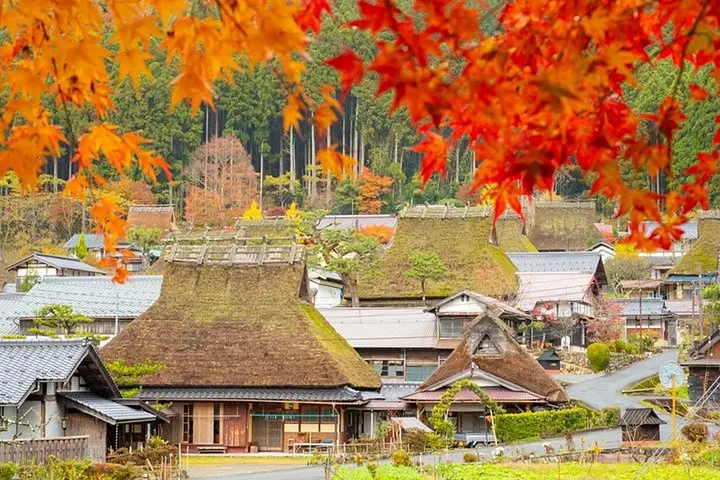
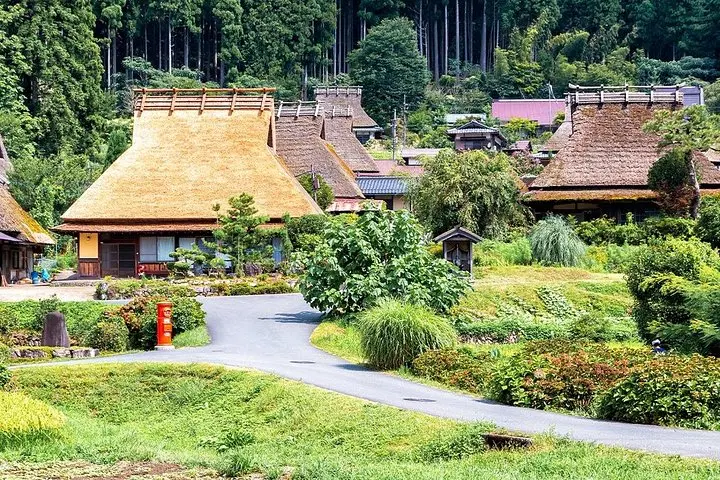
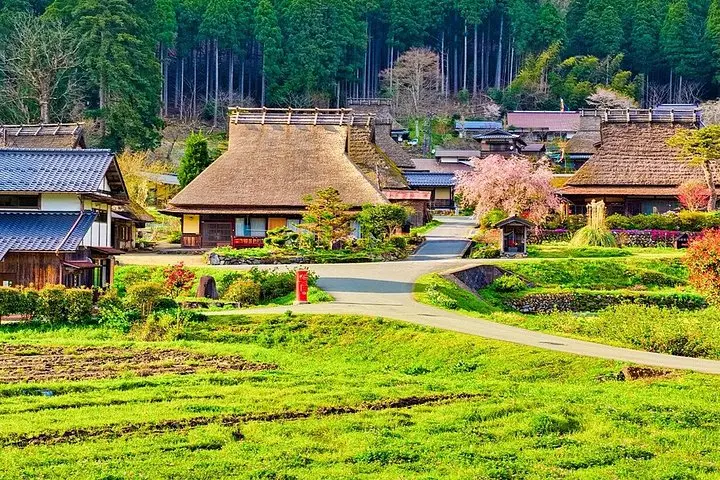
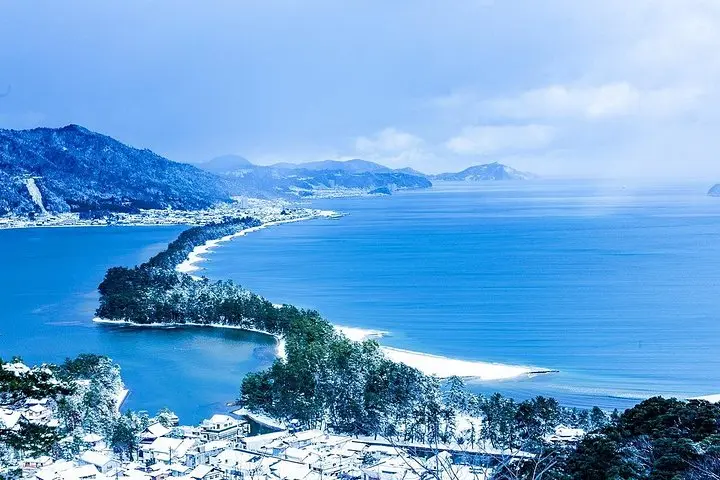
The bus eases away from Osaka before dawn and, by mid-morning, the sea opens up: narrow wooden boathouses cling to the water in Ine Bay, their weather-darkened faces reflecting in glassy tides. Wind teases pine needles along Amanohashidate’s sandbar, where 3.6 kilometers of low dunes and pines form a bridge that seems to lift toward the sky. Later, the thatched roofs of Miyama rise like layered waves of straw — quiet, steep-roofed houses that hold the shape of Edo-era village life.
The bus eases away from Osaka before dawn and, by mid-morning, the sea opens up: narrow wooden boathouses cling to the water in Ine Bay, their weather-darkened faces reflecting in glassy tides. Wind teases pine needles along Amanohashidate’s sandbar, where 3.6 kilometers of low dunes and pines form a bridge that seems to lift toward the sky. Later, the thatched roofs of Miyama rise like layered waves of straw — quiet, steep-roofed houses that hold the shape of Edo-era village life.
These places are small chapters in Kyoto Prefecture’s coastal story. Ine’s funaya (boat houses) evolved from a fishing economy that put boats on the ground floor and living quarters above; Amanohashidate sits on Holocene sand deposits shaped by tidal currents and pine colonization; Miyama preserves kayabuki thatch techniques kept alive by local craftsmen. The culture here is practical and ritual—temple wells, shrine rites for seafarers, and milk-sweet local treats at village cafés.
Practically, expect a paced day tour: short walks, viewpoint climbs, and free time for cafés and photo spots. The terrain is mostly flat at the bay and sandbar, with a short uphill to Amanohashidate View Land; Miyama’s lanes are uneven packed-earth. Bring layered clothing against coastal breezes, cash for small shops, and comfortable shoes for narrow paths. Travel windows can be long—this is a 10-hour loop from Osaka—so plan for a full day and leave evening plans open. The route rewards curiosity: boats daring the tide, pines pointing the way, and villages that keep their old rhythms alive.