THE ADVENTURE COLLECTIVE® · Independent discovery and booking for outdoor travel

A full-day excursion from Marrakech delivers North Africa’s tallest cascades in a single, manageable outing. Expect a scenic drive into the High Atlas, layered rock terraces, riverside cafes, and easy but uneven trails around the falls.
A full-day excursion from Marrakech delivers North Africa’s tallest cascades in a single, manageable outing. Expect a scenic drive into the High Atlas, layered rock terraces, riverside cafes, and easy but uneven trails around the falls.
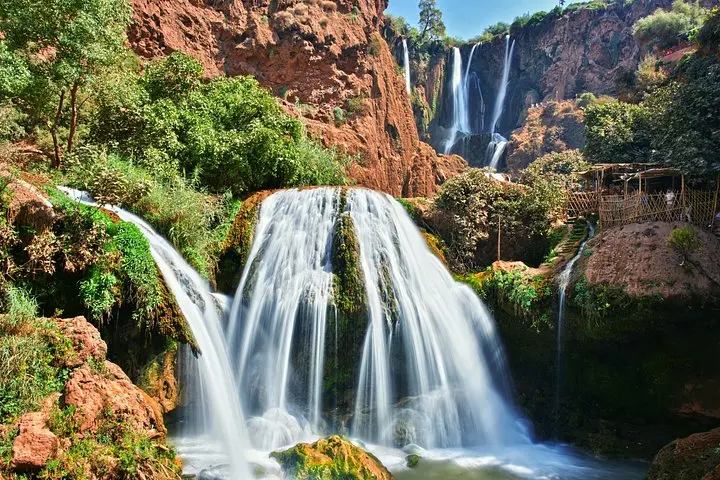
You leave Marrakech before sunrise and the city’s ochre roofs give way to olive groves and low, rolling foothills. The road climbs into the High Atlas foothills and, after an hour or two, the roar of water replaces traffic—Ouzoud Falls announces itself with spray and a cool, mineral scent. The main drop is a broad curtain of water cascading roughly 110 meters (360 feet) in multiple tiers; mist blurs the rim and gullies, and a network of trails threads the valley.
Verified experiences and guided adventures in the surrounding area.
Operated by Tour and Travel Morocco · Ouzoud, Marrakesh-Safi
You leave Marrakech before sunrise and the city’s ochre roofs give way to olive groves and low, rolling foothills. The road climbs into the High Atlas foothills and, after an hour or two, the roar of water replaces traffic—Ouzoud Falls announces itself with spray and a cool, mineral scent. The main drop is a broad curtain of water cascading roughly 110 meters (360 feet) in multiple tiers; mist blurs the rim and gullies, and a network of trails threads the valley.
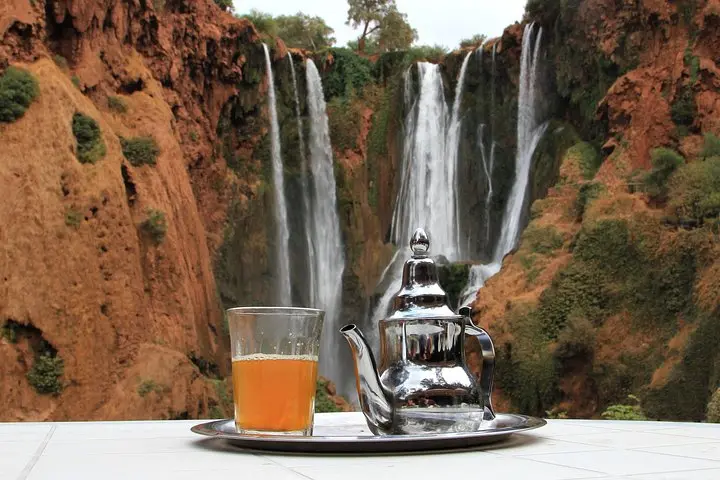
Geology here is straightforward: the El Abid River has cut through layered rock, creating stepped falls and plunge pools. Culturally the valley is shaped by Berber villages and centuries of olive cultivation; small mills and cafes at the water’s edge serve strong mint tea and local olive oil sweets. Barbary macaques are common near the river; they’re curious but should not be fed.
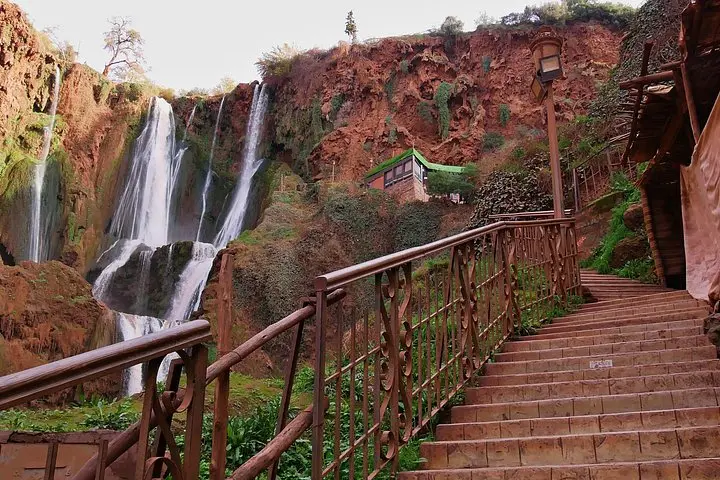
In practical terms, the visit is a mix of light hiking and viewpoint stops—expect uneven stone paths, steps, and a few short scrambles to reach lower viewpoints. The typical organized day trip from Marrakech runs ~10 hours round-trip including hotel pickup and drop‑off; plan for several hours at the falls to walk, photograph, and pause at a riverside cafe. Bring sturdy shoes, water, sun protection, and a light rain shell in changeable weather. Avoid peak midday when the crowds and spray make navigation slower; early morning or late afternoon visits offer better light and quieter trails. Respect local rules, keep waste packed out, and give macaques space—this keeps the valley healthy for visitors and residents alike.
The drive typically takes about 2.5–3 hours each way depending on traffic and road conditions, included in the standard 10-hour day trip.
There are small plunge pools downstream where locals swim, but water can be cold and currents change—obey local signs and guides before entering.
Yes, the tour is family-friendly though it involves stairs and some uneven terrain; take it slow and avoid steep sections if mobility is limited.
Many organized tours include entry; confirm at booking. Small local fees or optional extras at cafes and viewpoints are typically paid on-site.
Tour and Travel Morocco operates guided outdoor trips and adventures with an emphasis on safety, stewardship, and memorable experiences.

You leave Marrakech before sunrise and the city’s ochre roofs give way to olive groves and low, rolling foothills. The road climbs into the High Atlas foothills and, after an hour or two, the roar of water replaces traffic—Ouzoud Falls announces itself with spray and a cool, mineral scent. The main drop is a broad curtain of water cascading roughly 110 meters (360 feet) in multiple tiers; mist blurs the rim and gullies, and a network of trails threads the valley.
You leave Marrakech before sunrise and the city’s ochre roofs give way to olive groves and low, rolling foothills. The road climbs into the High Atlas foothills and, after an hour or two, the roar of water replaces traffic—Ouzoud Falls announces itself with spray and a cool, mineral scent. The main drop is a broad curtain of water cascading roughly 110 meters (360 feet) in multiple tiers; mist blurs the rim and gullies, and a network of trails threads the valley.
Geology here is straightforward: the El Abid River has cut through layered rock, creating stepped falls and plunge pools. Culturally the valley is shaped by Berber villages and centuries of olive cultivation; small mills and cafes at the water’s edge serve strong mint tea and local olive oil sweets. Barbary macaques are common near the river; they’re curious but should not be fed.
In practical terms, the visit is a mix of light hiking and viewpoint stops—expect uneven stone paths, steps, and a few short scrambles to reach lower viewpoints. The typical organized day trip from Marrakech runs ~10 hours round-trip including hotel pickup and drop‑off; plan for several hours at the falls to walk, photograph, and pause at a riverside cafe. Bring sturdy shoes, water, sun protection, and a light rain shell in changeable weather. Avoid peak midday when the crowds and spray make navigation slower; early morning or late afternoon visits offer better light and quieter trails. Respect local rules, keep waste packed out, and give macaques space—this keeps the valley healthy for visitors and residents alike.