THE ADVENTURE COLLECTIVE® · Independent discovery and booking for outdoor travel

Paddle north from Marahau, camp on quiet beaches, then trade your kayak for boots to walk the northern Abel Tasman to Totaranui. This three-day loop combines sea-kayaking, coastal forest track, and DOC-managed campsites with water taxi return.
Paddle north from Marahau, camp on quiet beaches, then trade your kayak for boots to walk the northern Abel Tasman to Totaranui. This three-day loop combines sea-kayaking, coastal forest track, and DOC-managed campsites with water taxi return.
You push off at Marahau as morning light picks out the ridgelines and the Tasman Sea breathes warm across your bow. The kayaks skim past golden beaches; coves slip by like pages in a book. On Day 1 you paddle under cliffs and over clear shallows, finding camp on a beach where the tide writes the night’s margin.
Verified experiences and guided adventures in the surrounding area.
Operated by Abel Tasman Kayaks · Marahau, Tasman
You push off at Marahau as morning light picks out the ridgelines and the Tasman Sea breathes warm across your bow. The kayaks skim past golden beaches; coves slip by like pages in a book. On Day 1 you paddle under cliffs and over clear shallows, finding camp on a beach where the tide writes the night’s margin.
This three-day loop threads the northern Abel Tasman coastline — carved from ancient granite and underlain by coastal schists — a landscape first charted by Māori long before Abel Tasman saw it in 1642. The track and tidal waterways link small bays, historic Tonga Quarry cut into the rocks, and beaches that shelter breeding seabirds. Local operators include camp pass logistics and sea-kayak safety gear to meet Department of Conservation rules that protect intertidal life and limit campsite numbers.
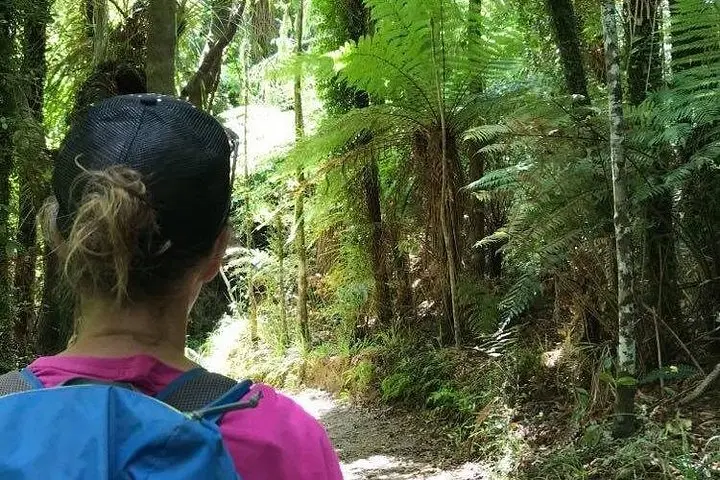
Expect sheltered sea conditions most days but watch for wind and tidal flows that can change crossings quickly. On Day 2 you leave your kayak at Onetahuti and carry light overnight gear; Day 3 is a roughly 14.2 km walk north to Totaranui (about 4–5 hours), with steep track pitches, boardwalks, and lookout benches that reward the climbs.
Practical notes: pack a dry bag for electronics, wear layered quick-dry clothing and sturdy shoes for the walk, and bring at least 2–3 L of water per person. Follow the guide briefing, heed tides and weather, and carry your camp pass — the park manages numbers to keep this coastline wild. The sea will always be testing you; respect it and it will deliver the views.
No advanced experience required — operators run an on-water assessment and provide buoyancy vests, spray skirts and basic instruction, but being comfortable in a sea kayak helps.
Yes — the operator books and includes DOC camp passes for the nights on designated campsites included in the itinerary.
Trips can be modified or cancelled for safety; the cancellation policy allows full refund if cancelled at least 24 hours before departure and operators monitor wind and tide forecasts closely.
Service animals are allowed; the activity is suitable for a wide range of ages but minimum group and safety briefs apply — check with the operator about children and mobility needs.
Abel Tasman Kayaks operates guided outdoor trips and adventures with an emphasis on safety, stewardship, and memorable experiences.
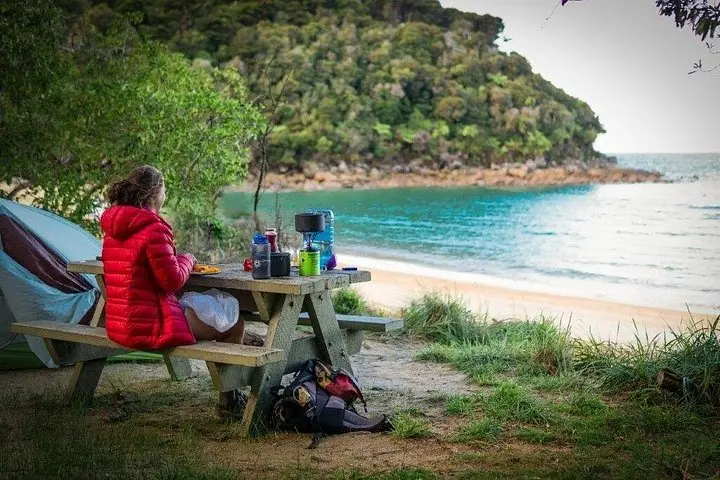
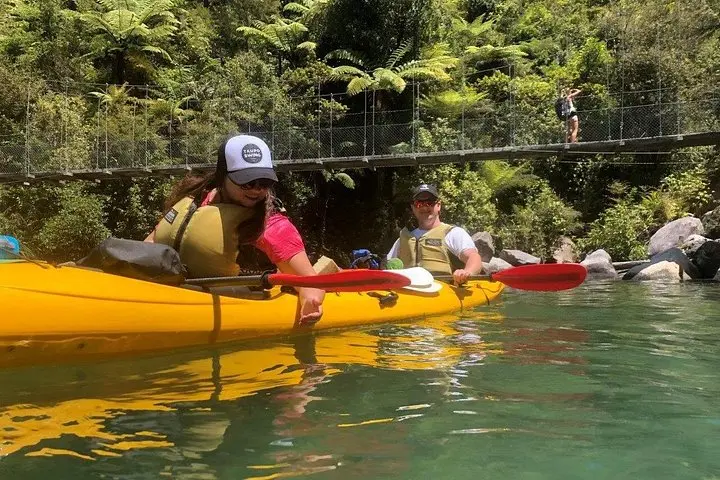
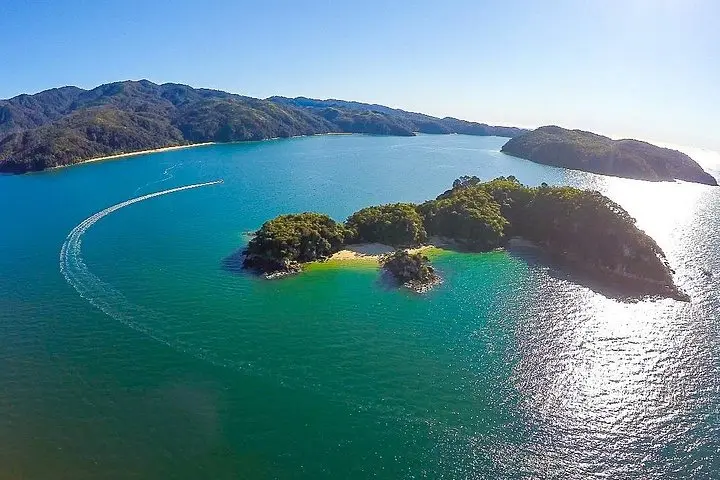
You push off at Marahau as morning light picks out the ridgelines and the Tasman Sea breathes warm across your bow. The kayaks skim past golden beaches; coves slip by like pages in a book. On Day 1 you paddle under cliffs and over clear shallows, finding camp on a beach where the tide writes the night’s margin.
You push off at Marahau as morning light picks out the ridgelines and the Tasman Sea breathes warm across your bow. The kayaks skim past golden beaches; coves slip by like pages in a book. On Day 1 you paddle under cliffs and over clear shallows, finding camp on a beach where the tide writes the night’s margin.
This three-day loop threads the northern Abel Tasman coastline — carved from ancient granite and underlain by coastal schists — a landscape first charted by Māori long before Abel Tasman saw it in 1642. The track and tidal waterways link small bays, historic Tonga Quarry cut into the rocks, and beaches that shelter breeding seabirds. Local operators include camp pass logistics and sea-kayak safety gear to meet Department of Conservation rules that protect intertidal life and limit campsite numbers.
Expect sheltered sea conditions most days but watch for wind and tidal flows that can change crossings quickly. On Day 2 you leave your kayak at Onetahuti and carry light overnight gear; Day 3 is a roughly 14.2 km walk north to Totaranui (about 4–5 hours), with steep track pitches, boardwalks, and lookout benches that reward the climbs.
Practical notes: pack a dry bag for electronics, wear layered quick-dry clothing and sturdy shoes for the walk, and bring at least 2–3 L of water per person. Follow the guide briefing, heed tides and weather, and carry your camp pass — the park manages numbers to keep this coastline wild. The sea will always be testing you; respect it and it will deliver the views.