THE ADVENTURE COLLECTIVE® · Independent discovery and booking for outdoor travel

Walk the Ria de Alvor from Abicada wetlands to the Alvor dunes boardwalk on a guided birding day that ends with a seaside drink and optional summer swim. Learn coastal ecology, scan tidal flats with provided optics, and spot waders, herons and terns.
Walk the Ria de Alvor from Abicada wetlands to the Alvor dunes boardwalk on a guided birding day that ends with a seaside drink and optional summer swim. Learn coastal ecology, scan tidal flats with provided optics, and spot waders, herons and terns.
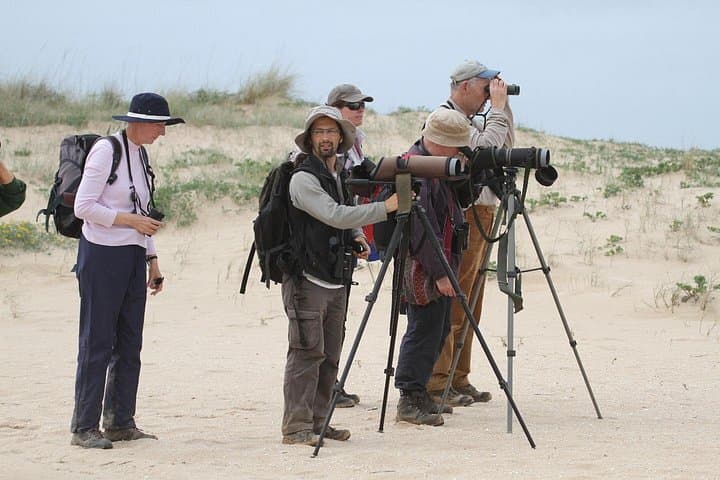
Morning light slices across salt pans and the estuary glass, and the first call you hear is not the sea but a small, insistent alarm: avocets probing mud with upturned bills. This guided birdwatching day moves from a sheltered wetland near Abicada to the Alvor dunes boardwalk, finishing with a drink or ice cream by the sea and a possible summer swim.
Verified experiences and guided adventures in the surrounding area.
Operated by A Rocha Life · Alvor, Faro
Morning light slices across salt pans and the estuary glass, and the first call you hear is not the sea but a small, insistent alarm: avocets probing mud with upturned bills. This guided birdwatching day moves from a sheltered wetland near Abicada to the Alvor dunes boardwalk, finishing with a drink or ice cream by the sea and a possible summer swim.
The Ria de Alvor is a young estuary carved by rising seas and coastal sediment—sand spits and dunes shift seasonally, creating the salt marshes and shallow channels that attract migratory shorebirds. For centuries the local economy balanced fishing and saltmaking; today conservation and tourism share that legacy. The boardwalk gives a raised vantage point for scanning flats without trampling fragile plants.
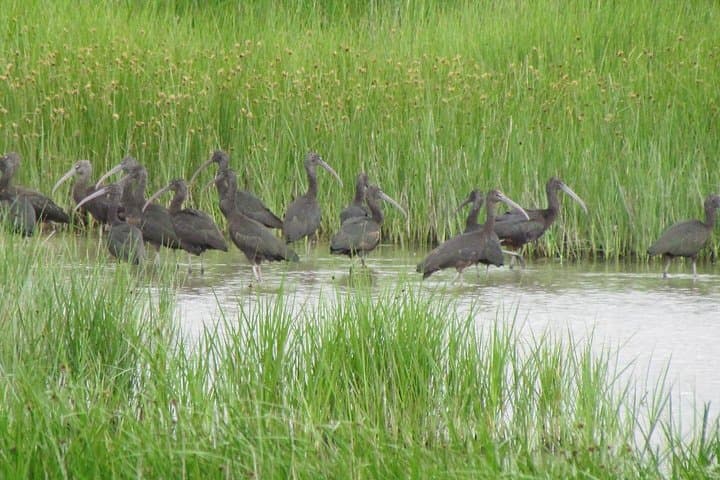
Expect long, low shoreline views, intertidal mudflats, and wind-sculpted dune ridges. A telescope is provided on tour, but bring binos for close tracking: common sightings include herons, redshanks, and summer flocks of terns; winter can bring waders and rare migrants.
Practically, the route is flat and family-friendly but can be exposed to wind and sun—layers are key. The guide times stops around tides for best feeding activity; wear sturdy shoes for sandy boardwalks and marshy approaches. Hydrate, apply reef-safe sunscreen, and use a quiet voice—the birds respond to patience. The day lasts roughly six to eight hours with private transport provided; it’s an accessible introduction to Algarve coastal ecology and a gentle, rewarding way to read the shore’s seasonal stories.
Yes; the route is flat and labeled as suitable for all fitness levels, with private transport and occasional seating during stops.
Swimming is possible in summer when weather and sea conditions are safe—bring swimwear and a towel if you plan to take a dip.
A telescope is included on the tour, but bringing personal binoculars is recommended for flexibility and faster spotting.
The tour may be canceled for heavy bad weather; lighter rain could still allow the walk but dress accordingly and check cancellation terms.
A Rocha Life operates guided outdoor trips and adventures with an emphasis on safety, stewardship, and memorable experiences.


Morning light slices across salt pans and the estuary glass, and the first call you hear is not the sea but a small, insistent alarm: avocets probing mud with upturned bills. This guided birdwatching day moves from a sheltered wetland near Abicada to the Alvor dunes boardwalk, finishing with a drink or ice cream by the sea and a possible summer swim.
Morning light slices across salt pans and the estuary glass, and the first call you hear is not the sea but a small, insistent alarm: avocets probing mud with upturned bills. This guided birdwatching day moves from a sheltered wetland near Abicada to the Alvor dunes boardwalk, finishing with a drink or ice cream by the sea and a possible summer swim.
The Ria de Alvor is a young estuary carved by rising seas and coastal sediment—sand spits and dunes shift seasonally, creating the salt marshes and shallow channels that attract migratory shorebirds. For centuries the local economy balanced fishing and saltmaking; today conservation and tourism share that legacy. The boardwalk gives a raised vantage point for scanning flats without trampling fragile plants.
Expect long, low shoreline views, intertidal mudflats, and wind-sculpted dune ridges. A telescope is provided on tour, but bring binos for close tracking: common sightings include herons, redshanks, and summer flocks of terns; winter can bring waders and rare migrants.
Practically, the route is flat and family-friendly but can be exposed to wind and sun—layers are key. The guide times stops around tides for best feeding activity; wear sturdy shoes for sandy boardwalks and marshy approaches. Hydrate, apply reef-safe sunscreen, and use a quiet voice—the birds respond to patience. The day lasts roughly six to eight hours with private transport provided; it’s an accessible introduction to Algarve coastal ecology and a gentle, rewarding way to read the shore’s seasonal stories.