THE ADVENTURE COLLECTIVE® · Independent discovery and booking for outdoor travel
Spend four hours moving through Abidjan’s architectural contrasts, bustling markets and cultural institutions. This compact city tour pairs accessible walking with curated history and local insights.
Spend four hours moving through Abidjan’s architectural contrasts, bustling markets and cultural institutions. This compact city tour pairs accessible walking with curated history and local insights.
The tour opens on a warm coastal morning as the city unfolds: traffic hums, vendors arrange colorful wares, and high-rise windows flash sunlight back at you. You arrive first at the cathedral—its scale and concrete ribs loom, a reminder of post‑colonial ambitions—then move by vehicle toward the mosque with its layered façade and two-story public spaces that stitch faith, commerce and community together.
Verified experiences and guided adventures in the surrounding area.
Operated by Where Next Africa · Abidjan, Abidjan District
The tour opens on a warm coastal morning as the city unfolds: traffic hums, vendors arrange colorful wares, and high-rise windows flash sunlight back at you. You arrive first at the cathedral—its scale and concrete ribs loom, a reminder of post‑colonial ambitions—then move by vehicle toward the mosque with its layered façade and two-story public spaces that stitch faith, commerce and community together.
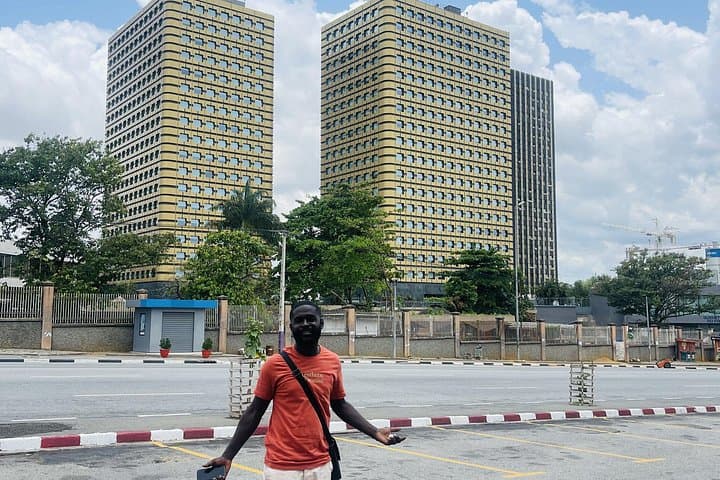
Abidjan’s history is visible in its streets: a 20th‑century trade hub turned modern finance center. The Plateau district shows the city’s geological edge—built on reclaimed lagoon plains—where glass towers rise from mangrove memory. At the National Museum, objects map Ivory Coast’s cultural regions; markets trace the daily economy where spices, textiles and carved ivory replicas circulate in quick negotiation.
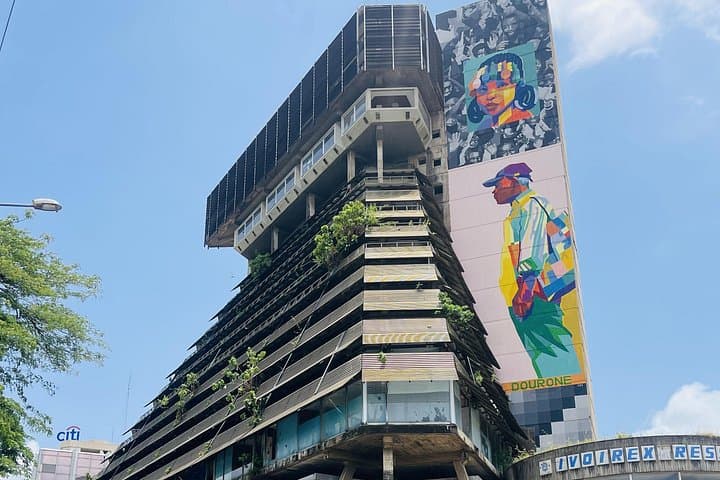
Expect an accessible, social experience: market alleys that push you to haggle, art stalls where craftsmen explain symbols, and brief walks between stops rather than long hikes. Guides will flag historical context—colonial layouts, post‑independence architecture—and point out the Pyramid monument and the evolving commercial skyline.
Practical guidance: wear sturdy walking shoes for uneven market surfaces, carry small local currency for purchases, and plan this as a four‑hour morning or late‑afternoon outing to avoid peak heat. Hydrate between stops—the tour provides bottled water—and keep valuables close in crowded areas. With basic preparation, this compact city loop delivers architectural contrasts, lively markets and a hands‑on introduction to Abidjan’s culture and commerce.
The tour lasts about four hours and covers multiple stops around central Abidjan with short walks between sites.
Yes; the tour and transportation are listed as wheelchair accessible, though some market surfaces may be uneven.
Yes; the itinerary includes stops at art markets and will allow time for shopping and guided bargaining tips.
Guides typically speak French and may provide basic English commentary—confirm language needs at booking.
Where Next Africa operates guided outdoor trips and adventures with an emphasis on safety, stewardship, and memorable experiences.
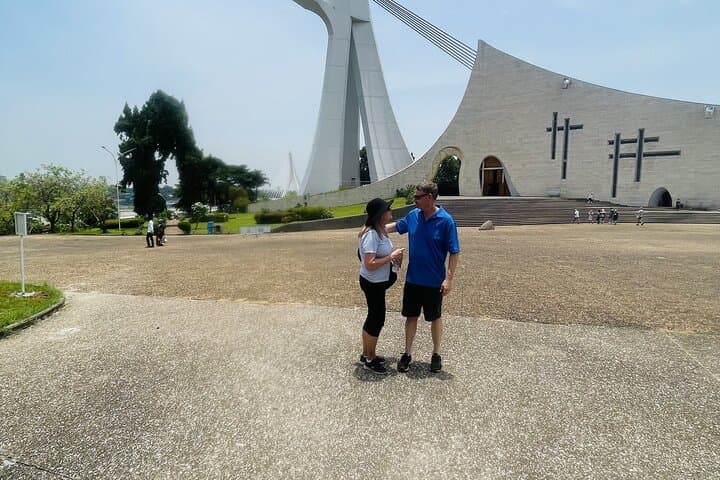
The tour opens on a warm coastal morning as the city unfolds: traffic hums, vendors arrange colorful wares, and high-rise windows flash sunlight back at you. You arrive first at the cathedral—its scale and concrete ribs loom, a reminder of post‑colonial ambitions—then move by vehicle toward the mosque with its layered façade and two-story public spaces that stitch faith, commerce and community together.
The tour opens on a warm coastal morning as the city unfolds: traffic hums, vendors arrange colorful wares, and high-rise windows flash sunlight back at you. You arrive first at the cathedral—its scale and concrete ribs loom, a reminder of post‑colonial ambitions—then move by vehicle toward the mosque with its layered façade and two-story public spaces that stitch faith, commerce and community together.
Abidjan’s history is visible in its streets: a 20th‑century trade hub turned modern finance center. The Plateau district shows the city’s geological edge—built on reclaimed lagoon plains—where glass towers rise from mangrove memory. At the National Museum, objects map Ivory Coast’s cultural regions; markets trace the daily economy where spices, textiles and carved ivory replicas circulate in quick negotiation.
Expect an accessible, social experience: market alleys that push you to haggle, art stalls where craftsmen explain symbols, and brief walks between stops rather than long hikes. Guides will flag historical context—colonial layouts, post‑independence architecture—and point out the Pyramid monument and the evolving commercial skyline.
Practical guidance: wear sturdy walking shoes for uneven market surfaces, carry small local currency for purchases, and plan this as a four‑hour morning or late‑afternoon outing to avoid peak heat. Hydrate between stops—the tour provides bottled water—and keep valuables close in crowded areas. With basic preparation, this compact city loop delivers architectural contrasts, lively markets and a hands‑on introduction to Abidjan’s culture and commerce.
