THE ADVENTURE COLLECTIVE® · Independent discovery and booking for outdoor travel

In one efficient day from Baku you can stand on smoking mud volcanoes, read millennia-old rock carvings in Gobustan and see natural flames at Ateshgah and Yanardag. This guided circuit stitches geology, history and accessible adventure into five compact hours.
In one efficient day from Baku you can stand on smoking mud volcanoes, read millennia-old rock carvings in Gobustan and see natural flames at Ateshgah and Yanardag. This guided circuit stitches geology, history and accessible adventure into five compact hours.
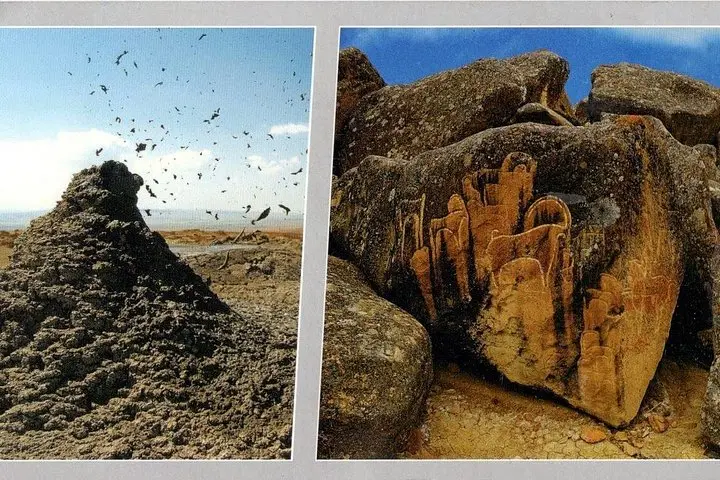
The tour begins on the edge of Baku where the city’s glass-and-steel skyline gives way to low scrub and the smell of gas-scented wind. A comfortable minivan eases onto the Absheron Peninsula and the landscape changes from polished promenades to hard, sunbaked earth dotted with fumaroles. By midmorning you’re standing before a mud volcano — a lump of slow-moving earth that occasionally belches cooling, olive-coloured mud and a faint sulfurous perfume. The guide hands out a towel and a grin: the bath is optional, but the experience is unmistakably local.
Verified experiences and guided adventures in the surrounding area.
Operated by Paramount Travel Club · Baku, Absheron
The tour begins on the edge of Baku where the city’s glass-and-steel skyline gives way to low scrub and the smell of gas-scented wind. A comfortable minivan eases onto the Absheron Peninsula and the landscape changes from polished promenades to hard, sunbaked earth dotted with fumaroles. By midmorning you’re standing before a mud volcano — a lump of slow-moving earth that occasionally belches cooling, olive-coloured mud and a faint sulfurous perfume. The guide hands out a towel and a grin: the bath is optional, but the experience is unmistakably local.
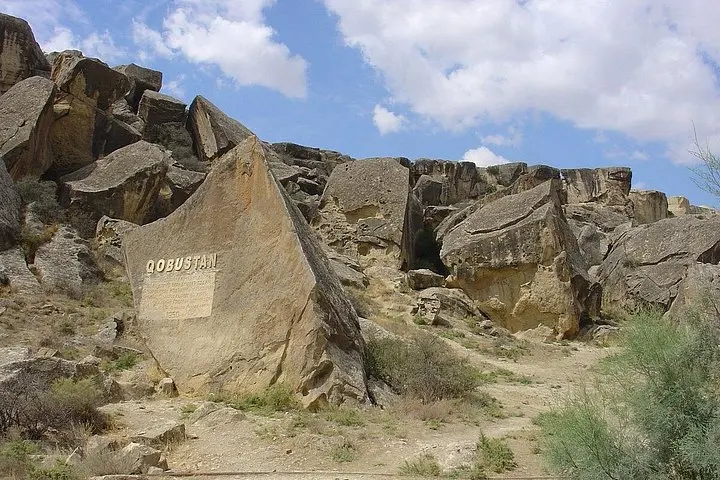
Gobustan follows like a flipbook of human time. Wind-scarred plateaus hold thousands of petroglyphs—boats, hunting scenes and strange horned figures—scratched into volcanic tuff by people who lived here as far back as 40,000 years ago. The etchings read as a compressed history of migration and ritual, set against the dramatic backdrop of the Greater Caucasus in the distance and the flattened foam of the Caspian to the east.
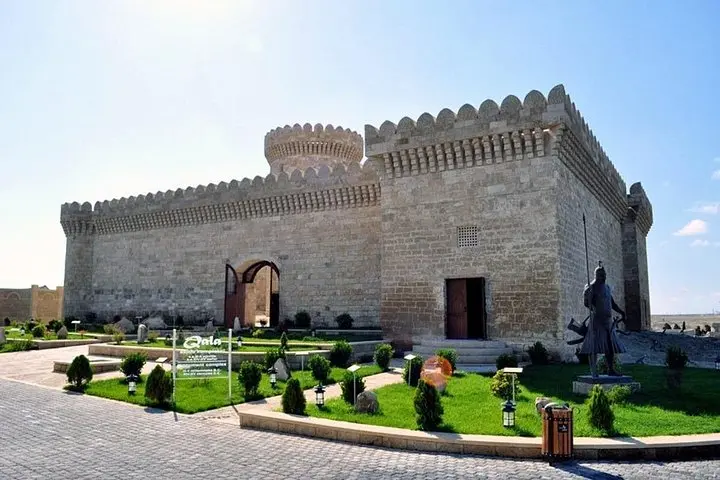
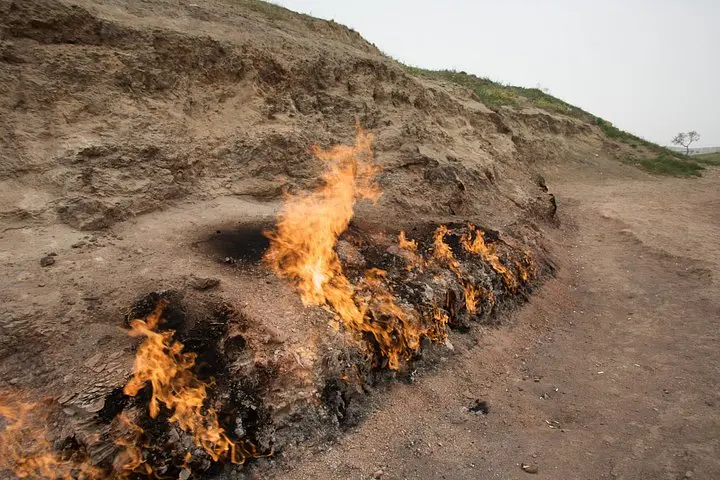
The itinerary folds in Bibiheybet Mosque, the first industrial oil well of 1846 and the Ateshgah fire temple, where natural gas once sustained open flame and drew Zoroastrian, Hindu and Sikh pilgrims. At Yanardag, a hillside continuously fed by seeping hydrocarbons keeps flame licking at the rocks — an elemental reminder of why Azerbaijan has long been called the Land of Fire.
Geology drives the day: the soil here is young and restless, rich in petroleum and prone to spectacular, low-energy eruptions that create the mud volcanoes for which Gobustan is famous. Culturally, the peninsula has always been a crossroads — spiritual sites sit alongside modern oil infrastructure, and the region’s archeological record reveals a long history of coastal trade and herding.
Practicalities matter on a compact day tour. This offering runs about five hours with hotel pickup and drop-off in Baku, entrance fees and bottled water included. Travel is easy on paved roads and short gravel stretches; most walking is short but uneven near the petroglyph sites and mud volcanoes. The operator provides an air-conditioned vehicle and a licensed guide who can explain the archaeological and industrial landmarks.
Bring sunscreen, a hat and shoes that tolerate mud. Respect the rock art—no leaning or touching. If you plan to bathe in a mud pool, bring a change of clothes and a waterproof bag. For photographers, early light slants across the carvings and the volcanic cones for the most dramatic shots.
Whether you’re after raw geology, ancient human marks or the theatrical flare of a forever-burning hillside, this circuit across the Absheron Peninsula compresses Azerbaijan’s elemental and cultural highlights into a single, manageable day.
The tour lasts approximately five hours, with hotel pickup and drop-off in Baku included.
Yes—some mud volcanoes allow bathing; bring a change of clothes and follow your guide’s safety advice.
Yes, entrance fees to the Gobustan Reserve and included museums are covered in this tour.
Yes—walking is light but sites have uneven ground; it’s not recommended for travelers with severe mobility issues or spinal problems.
The tour includes a licensed guide; language options are typically English and Russian—confirm when booking for other languages.
Do not touch, lean on, or climb the carvings; stay on marked paths to protect fragile petroglyphs.
Paramount Travel Club operates guided outdoor trips and adventures with an emphasis on safety, stewardship, and memorable experiences.
The tour begins on the edge of Baku where the city’s glass-and-steel skyline gives way to low scrub and the smell of gas-scented wind. A comfortable minivan eases onto the Absheron Peninsula and the landscape changes from polished promenades to hard, sunbaked earth dotted with fumaroles. By midmorning you’re standing before a mud volcano — a lump of slow-moving earth that occasionally belches cooling, olive-coloured mud and a faint sulfurous perfume. The guide hands out a towel and a grin: the bath is optional, but the experience is unmistakably local.
The tour begins on the edge of Baku where the city’s glass-and-steel skyline gives way to low scrub and the smell of gas-scented wind. A comfortable minivan eases onto the Absheron Peninsula and the landscape changes from polished promenades to hard, sunbaked earth dotted with fumaroles. By midmorning you’re standing before a mud volcano — a lump of slow-moving earth that occasionally belches cooling, olive-coloured mud and a faint sulfurous perfume. The guide hands out a towel and a grin: the bath is optional, but the experience is unmistakably local.
Gobustan follows like a flipbook of human time. Wind-scarred plateaus hold thousands of petroglyphs—boats, hunting scenes and strange horned figures—scratched into volcanic tuff by people who lived here as far back as 40,000 years ago. The etchings read as a compressed history of migration and ritual, set against the dramatic backdrop of the Greater Caucasus in the distance and the flattened foam of the Caspian to the east.
The itinerary folds in Bibiheybet Mosque, the first industrial oil well of 1846 and the Ateshgah fire temple, where natural gas once sustained open flame and drew Zoroastrian, Hindu and Sikh pilgrims. At Yanardag, a hillside continuously fed by seeping hydrocarbons keeps flame licking at the rocks — an elemental reminder of why Azerbaijan has long been called the Land of Fire.
Geology drives the day: the soil here is young and restless, rich in petroleum and prone to spectacular, low-energy eruptions that create the mud volcanoes for which Gobustan is famous. Culturally, the peninsula has always been a crossroads — spiritual sites sit alongside modern oil infrastructure, and the region’s archeological record reveals a long history of coastal trade and herding.
Practicalities matter on a compact day tour. This offering runs about five hours with hotel pickup and drop-off in Baku, entrance fees and bottled water included. Travel is easy on paved roads and short gravel stretches; most walking is short but uneven near the petroglyph sites and mud volcanoes. The operator provides an air-conditioned vehicle and a licensed guide who can explain the archaeological and industrial landmarks.
Bring sunscreen, a hat and shoes that tolerate mud. Respect the rock art—no leaning or touching. If you plan to bathe in a mud pool, bring a change of clothes and a waterproof bag. For photographers, early light slants across the carvings and the volcanic cones for the most dramatic shots.
Whether you’re after raw geology, ancient human marks or the theatrical flare of a forever-burning hillside, this circuit across the Absheron Peninsula compresses Azerbaijan’s elemental and cultural highlights into a single, manageable day.