THE ADVENTURE COLLECTIVE® · Independent discovery and booking for outdoor travel

Drive east from Baku to a landscape where eternal flames meet medieval towers. This 4–4.5 hour Absheron Peninsula tour visits Gala open-air museum, Mardakan Tower, Yanar Dag and the Ateshgah Fire Temple—mixing archaeology, geology and living cultural heritage.
Drive east from Baku to a landscape where eternal flames meet medieval towers. This 4–4.5 hour Absheron Peninsula tour visits Gala open-air museum, Mardakan Tower, Yanar Dag and the Ateshgah Fire Temple—mixing archaeology, geology and living cultural heritage.
Morning light flattens the Absheron plain into a sheet of pale grass and salt-crusted earth as the van slides east from Baku. The air smells faintly of sulphur and mineral-rich wind; pockets of flame along the coast wink at the skyline like stubborn, low suns. On this half-day circuit, travelers move from open-air museum courtyards into medieval stone towers and toward natural gas vents that have smoked for centuries.
Verified experiences and guided adventures in the surrounding area.
Operated by Baku Explorer · Baku, Absheron District
Morning light flattens the Absheron plain into a sheet of pale grass and salt-crusted earth as the van slides east from Baku. The air smells faintly of sulphur and mineral-rich wind; pockets of flame along the coast wink at the skyline like stubborn, low suns. On this half-day circuit, travelers move from open-air museum courtyards into medieval stone towers and toward natural gas vents that have smoked for centuries.
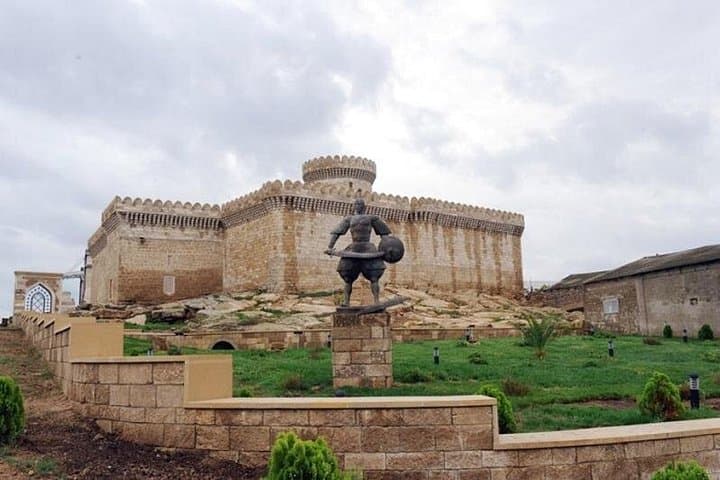
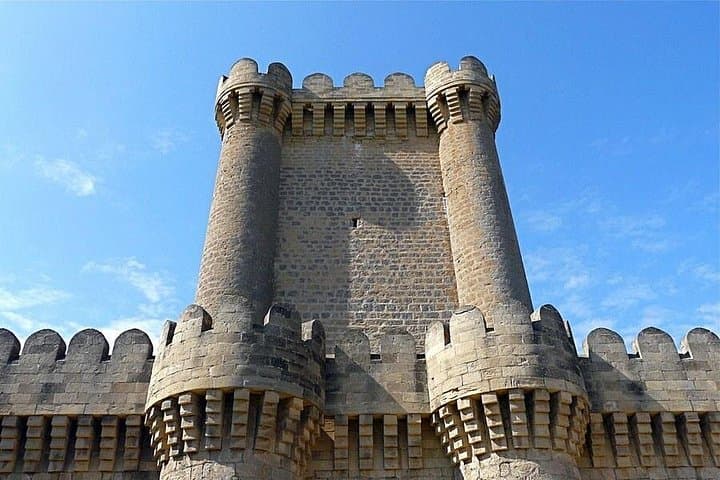
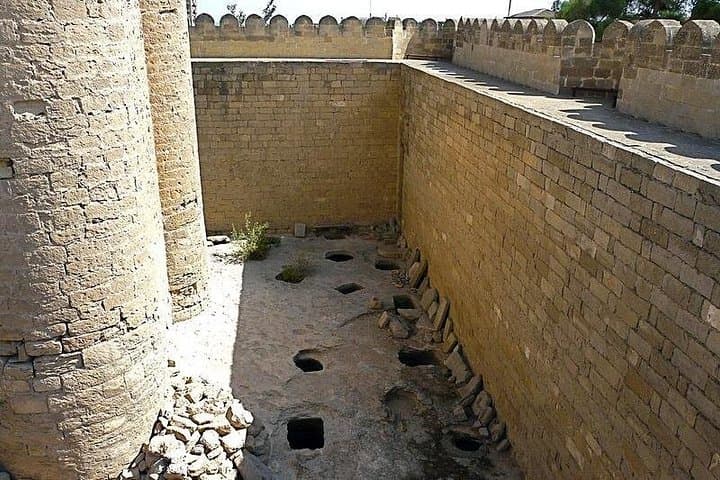
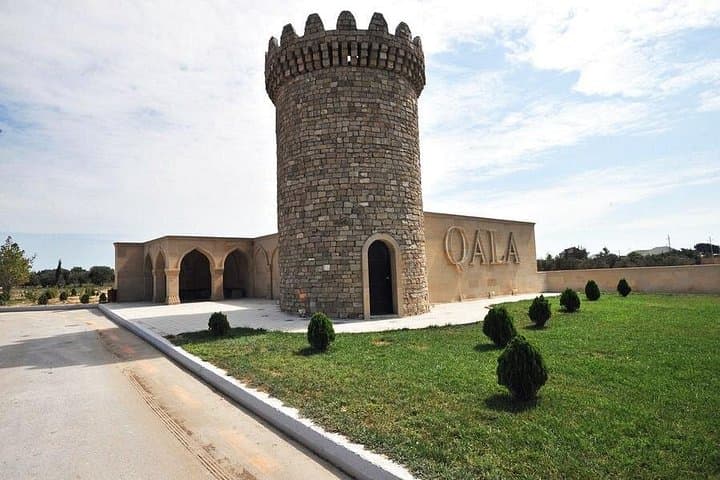
Gala Archaeological and Ethnographic Museum preserves household ruins, petroglyphs and tomb kurgans that reveal Bronze Age and medieval life on the peninsula. A short drive delivers the Quadrangular Tower at Mardakan—part of a coastal defense network built under the Shirvanshahs—and a vantage where old watchposts read the sea. Yanar Dag, the "Burning Mountain," is geology on show: steady gas seeps ignite along a sandstone slope, producing a low, perpetual flame that gave the region its reputation for fire worship. The tour finishes at Ateshgah, an 18th–19th century pilgrimage complex used by Zoroastrians and Hindus, its central altar marking places where gas once escaped freely.
Practical guide: the itinerary runs about 4–4.5 hours with short walks on uneven, sometimes muddy terrain—comfortable closed-toe shoes and a light jacket are recommended. Modest dress is required at religious sites; bring sunscreen and a refillable water bottle (hosts supply a small bottled water). Tours typically include pickup, entrances, and an English-speaking guide; mornings avoid heat and crowds. Respect protected zones, follow your guide, and leave archaeological finds in place—these places live on careful stewardship.
The tour lasts about 4–4.5 hours and typically includes hotel pickup/drop-off, transportation, entrance fees, an English-speaking guide and a small bottled water.
Ateshgah functions primarily as a historical monument and museum, though it reflects past Zoroastrian and Hindu rituals—visitors should observe respectful behavior and modest dress.
Many sites have uneven terrain, steps and limited accessibility; travelers with mobility concerns should check with operators in advance about specific options.
Photography is generally allowed outdoors; be respectful inside museum displays and follow any signage or guide instructions regarding flash or restricted areas.
Baku Explorer operates guided outdoor trips and adventures with an emphasis on safety, stewardship, and memorable experiences.
Morning light flattens the Absheron plain into a sheet of pale grass and salt-crusted earth as the van slides east from Baku. The air smells faintly of sulphur and mineral-rich wind; pockets of flame along the coast wink at the skyline like stubborn, low suns. On this half-day circuit, travelers move from open-air museum courtyards into medieval stone towers and toward natural gas vents that have smoked for centuries.
Morning light flattens the Absheron plain into a sheet of pale grass and salt-crusted earth as the van slides east from Baku. The air smells faintly of sulphur and mineral-rich wind; pockets of flame along the coast wink at the skyline like stubborn, low suns. On this half-day circuit, travelers move from open-air museum courtyards into medieval stone towers and toward natural gas vents that have smoked for centuries.
Gala Archaeological and Ethnographic Museum preserves household ruins, petroglyphs and tomb kurgans that reveal Bronze Age and medieval life on the peninsula. A short drive delivers the Quadrangular Tower at Mardakan—part of a coastal defense network built under the Shirvanshahs—and a vantage where old watchposts read the sea. Yanar Dag, the "Burning Mountain," is geology on show: steady gas seeps ignite along a sandstone slope, producing a low, perpetual flame that gave the region its reputation for fire worship. The tour finishes at Ateshgah, an 18th–19th century pilgrimage complex used by Zoroastrians and Hindus, its central altar marking places where gas once escaped freely.
Practical guide: the itinerary runs about 4–4.5 hours with short walks on uneven, sometimes muddy terrain—comfortable closed-toe shoes and a light jacket are recommended. Modest dress is required at religious sites; bring sunscreen and a refillable water bottle (hosts supply a small bottled water). Tours typically include pickup, entrances, and an English-speaking guide; mornings avoid heat and crowds. Respect protected zones, follow your guide, and leave archaeological finds in place—these places live on careful stewardship.