THE ADVENTURE COLLECTIVE® · Independent discovery and booking for outdoor travel

Visit two of Abu Dhabi’s most visible cultural projects in one day: the luminous Sheikh Zayed Grand Mosque and the hand-carved BAPS Mandir. This private tour pairs architectural spectacle with practical tips for timing, dress, and photography.
Visit two of Abu Dhabi’s most visible cultural projects in one day: the luminous Sheikh Zayed Grand Mosque and the hand-carved BAPS Mandir. This private tour pairs architectural spectacle with practical tips for timing, dress, and photography.
You arrive on the mosque’s vast marble forecourt as the sun loosens its heat across the white domes; reflections ripple in the long pools and the place feels vast yet deliberate—architecture commanding quiet. The Sheikh Zayed Grand Mosque stands with its 82 domes and thousand-plus columns, chandeliers trimmed in gold and crystals, and the world’s largest hand-knotted carpet folding away underfoot. A short drive away, the BAPS Hindu Mandir rises in hand-carved pink sandstone and white marble, its ornate carving and planned cultural spaces signaling a different set of rituals and stories.
Verified experiences and guided adventures in the surrounding area.
Operated by Visitors Destination Tours & Safari · Abu Dhabi, Abu Dhabi
You arrive on the mosque’s vast marble forecourt as the sun loosens its heat across the white domes; reflections ripple in the long pools and the place feels vast yet deliberate—architecture commanding quiet. The Sheikh Zayed Grand Mosque stands with its 82 domes and thousand-plus columns, chandeliers trimmed in gold and crystals, and the world’s largest hand-knotted carpet folding away underfoot. A short drive away, the BAPS Hindu Mandir rises in hand-carved pink sandstone and white marble, its ornate carving and planned cultural spaces signaling a different set of rituals and stories.
History and culture are close-read here: the mosque honors Sheikh Zayed bin Sultan Al Nahyan’s vision of a national space for worship and cultural exchange, completed in the 2000s, while the mandir represents Abu Dhabi’s growing Indian diaspora and contemporary temple craft, including structural sensors for long-term monitoring.
Practical guidance matters: allow about four hours for a respectful visit to both sites, wear modest clothing (women should carry a headscarf), and plan around prayer times to avoid crowds. Midday summer heat is intense—start early or late afternoon for better light and cooler walking. Photography is generally allowed, but be discreet during services and around worshippers. Many tours include air-conditioned transport and bottled water; bring comfortable shoes for marble and courtyard walking and keep valuables secure.
These two stops make a compact cultural day—architectural contrast, living traditions, and a clear lesson in how a modern Gulf capital stages public faith and intercultural exchange.
Entrance to the mosque is free for visitors; guided tours or private tour transport may have separate costs—check your booking details.
Yes—women must cover their heads and wear modest clothing; many sites provide abayas or headscarves if you don’t have one.
Photography is generally allowed in public areas, but avoid taking photos of worshippers during prayer and follow any signage or staff directions.
The mosque has accessible ramps and facilities, but some areas have steps; notify the operator when booking to arrange appropriate transport and support.
Visitors Destination Tours & Safari operates guided outdoor trips and adventures with an emphasis on safety, stewardship, and memorable experiences.
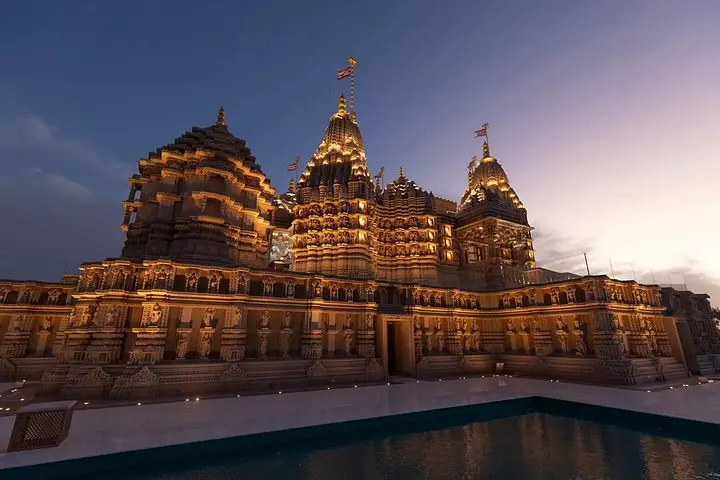
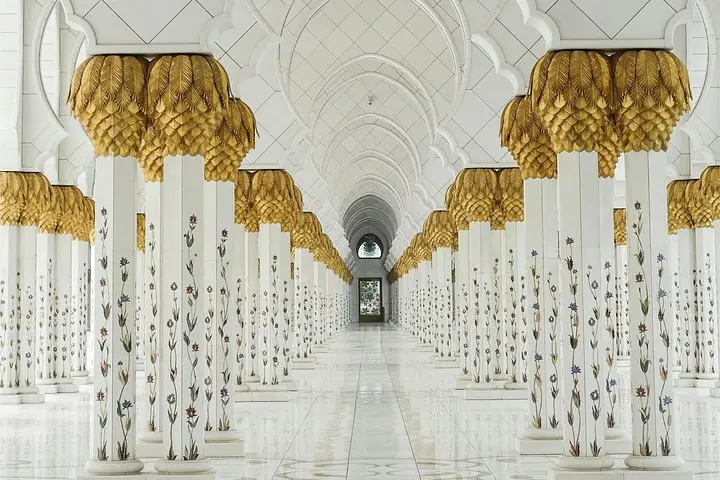
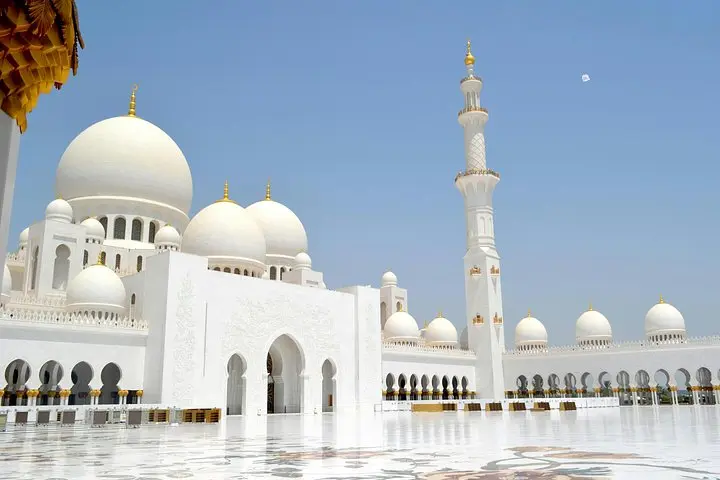
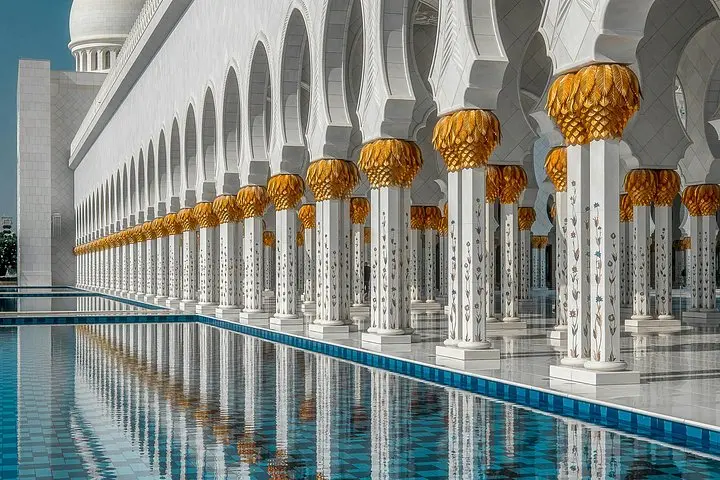
You arrive on the mosque’s vast marble forecourt as the sun loosens its heat across the white domes; reflections ripple in the long pools and the place feels vast yet deliberate—architecture commanding quiet. The Sheikh Zayed Grand Mosque stands with its 82 domes and thousand-plus columns, chandeliers trimmed in gold and crystals, and the world’s largest hand-knotted carpet folding away underfoot. A short drive away, the BAPS Hindu Mandir rises in hand-carved pink sandstone and white marble, its ornate carving and planned cultural spaces signaling a different set of rituals and stories.
You arrive on the mosque’s vast marble forecourt as the sun loosens its heat across the white domes; reflections ripple in the long pools and the place feels vast yet deliberate—architecture commanding quiet. The Sheikh Zayed Grand Mosque stands with its 82 domes and thousand-plus columns, chandeliers trimmed in gold and crystals, and the world’s largest hand-knotted carpet folding away underfoot. A short drive away, the BAPS Hindu Mandir rises in hand-carved pink sandstone and white marble, its ornate carving and planned cultural spaces signaling a different set of rituals and stories.
History and culture are close-read here: the mosque honors Sheikh Zayed bin Sultan Al Nahyan’s vision of a national space for worship and cultural exchange, completed in the 2000s, while the mandir represents Abu Dhabi’s growing Indian diaspora and contemporary temple craft, including structural sensors for long-term monitoring.
Practical guidance matters: allow about four hours for a respectful visit to both sites, wear modest clothing (women should carry a headscarf), and plan around prayer times to avoid crowds. Midday summer heat is intense—start early or late afternoon for better light and cooler walking. Photography is generally allowed, but be discreet during services and around worshippers. Many tours include air-conditioned transport and bottled water; bring comfortable shoes for marble and courtyard walking and keep valuables secure.
These two stops make a compact cultural day—architectural contrast, living traditions, and a clear lesson in how a modern Gulf capital stages public faith and intercultural exchange.