THE ADVENTURE COLLECTIVE® · Independent discovery and booking for outdoor travel

Spend a full day exploring Abu Dhabi’s cultural landmarks with a guided visit to the BAPS Hindu Mandir—an architectural and spiritual landmark built with sand from all seven emirates and carved stone detailing. This tour pairs accessible, air-conditioned transport with insights into the city’s evolving cultural fabric.
Spend a full day exploring Abu Dhabi’s cultural landmarks with a guided visit to the BAPS Hindu Mandir—an architectural and spiritual landmark built with sand from all seven emirates and carved stone detailing. This tour pairs accessible, air-conditioned transport with insights into the city’s evolving cultural fabric.
A low sun throws long shadows across the pale stone of a newly completed temple as the air-conditioned van eases into the car park. Visitors step out into a quiet courtyard where carved pillars catch the light and a sculpted dune—made with sand from each of the seven emirates—rises behind the temple like a modern relic. The site feels deliberate and calm: water murmurs from a sculpted cascade that alludes to the sacred Indian rivers while seven spires puncture the skyline, each honoring different regional traditions within Hindu practice.
Verified experiences and guided adventures in the surrounding area.
Operated by Arabian Tour Package · Abu Dhabi, Abu Dhabi
A low sun throws long shadows across the pale stone of a newly completed temple as the air-conditioned van eases into the car park. Visitors step out into a quiet courtyard where carved pillars catch the light and a sculpted dune—made with sand from each of the seven emirates—rises behind the temple like a modern relic. The site feels deliberate and calm: water murmurs from a sculpted cascade that alludes to the sacred Indian rivers while seven spires puncture the skyline, each honoring different regional traditions within Hindu practice.
The BAPS Hindu Mandir in Abu Dhabi is both contemporary civic gesture and precise exercise in traditional stone-carving. Its design borrows centuries-old temple-building techniques adapted for a Gulf climate, and its presence illustrates the emirate’s recent cultural diversification—part of Abu Dhabi’s broader narrative of rapid urban growth, trade links, and pluralism since oil wealth reshaped the coastline.
Expect polished marble floors, detailed reliefs of deities such as Rama and Krishna, and moments of quiet reflection rather than theatrical spectacle. The surrounding cityscape is flat and coastal; wind and sun are active players, pushing heat across open plazas in summer and cooling in winter evenings.
Practical guidance: plan a full day—this tour runs about 8–10 hours with hotel pickup and drop-off in an air-conditioned coach. Dress modestly (shoulders and knees covered), carry sun protection and water, and be prepared to remove shoes for certain prayer spaces. Photography is usually allowed in public areas but be discreet during rituals. The site is wheelchair accessible and suitable for most fitness levels, but schedule visits for morning or late afternoon in hot months to avoid peak mid-day temperatures.
Yes—cover shoulders and knees. Avoid revealing clothing; lightweight layers work well in the heat.
Yes. The temple and the tour’s transport options are wheelchair accessible; check specific pickup accessibility when booking.
Photography is generally allowed in public areas but avoid photographing worshippers during rituals and follow any posted signage or guide instructions.
Pickup and drop-off in Abu Dhabi are included; the tour runs approximately 8–10 hours depending on traffic and itinerary variations.
Arabian Tour Package operates guided outdoor trips and adventures with an emphasis on safety, stewardship, and memorable experiences.
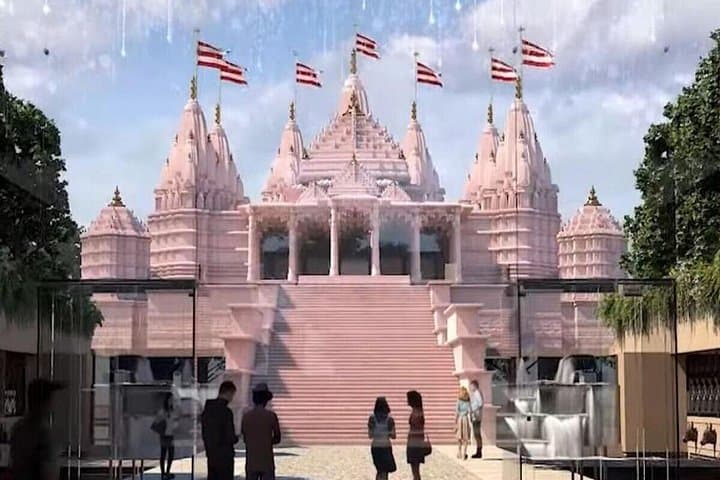

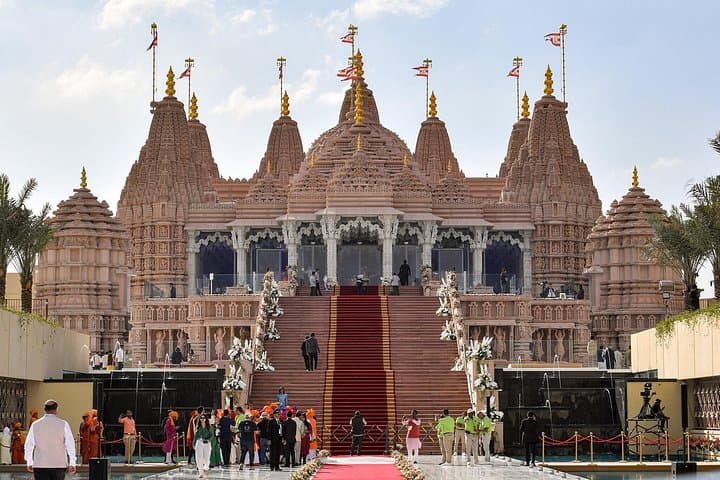
A low sun throws long shadows across the pale stone of a newly completed temple as the air-conditioned van eases into the car park. Visitors step out into a quiet courtyard where carved pillars catch the light and a sculpted dune—made with sand from each of the seven emirates—rises behind the temple like a modern relic. The site feels deliberate and calm: water murmurs from a sculpted cascade that alludes to the sacred Indian rivers while seven spires puncture the skyline, each honoring different regional traditions within Hindu practice.
A low sun throws long shadows across the pale stone of a newly completed temple as the air-conditioned van eases into the car park. Visitors step out into a quiet courtyard where carved pillars catch the light and a sculpted dune—made with sand from each of the seven emirates—rises behind the temple like a modern relic. The site feels deliberate and calm: water murmurs from a sculpted cascade that alludes to the sacred Indian rivers while seven spires puncture the skyline, each honoring different regional traditions within Hindu practice.
The BAPS Hindu Mandir in Abu Dhabi is both contemporary civic gesture and precise exercise in traditional stone-carving. Its design borrows centuries-old temple-building techniques adapted for a Gulf climate, and its presence illustrates the emirate’s recent cultural diversification—part of Abu Dhabi’s broader narrative of rapid urban growth, trade links, and pluralism since oil wealth reshaped the coastline.
Expect polished marble floors, detailed reliefs of deities such as Rama and Krishna, and moments of quiet reflection rather than theatrical spectacle. The surrounding cityscape is flat and coastal; wind and sun are active players, pushing heat across open plazas in summer and cooling in winter evenings.
Practical guidance: plan a full day—this tour runs about 8–10 hours with hotel pickup and drop-off in an air-conditioned coach. Dress modestly (shoulders and knees covered), carry sun protection and water, and be prepared to remove shoes for certain prayer spaces. Photography is usually allowed in public areas but be discreet during rituals. The site is wheelchair accessible and suitable for most fitness levels, but schedule visits for morning or late afternoon in hot months to avoid peak mid-day temperatures.