THE ADVENTURE COLLECTIVE® · Independent discovery and booking for outdoor travel

Spend two packed days flying from Cairo to Aswan, exploring the High Dam, Philae, and the relocated temples of Abu Simbel. This private tour combines archaeological highlights with efficient transfers and expert guiding.
Spend two packed days flying from Cairo to Aswan, exploring the High Dam, Philae, and the relocated temples of Abu Simbel. This private tour combines archaeological highlights with efficient transfers and expert guiding.
The morning light at Abu Simbel cuts across sandstone façades and seems to wake carved colossi—twelve meters of stone that stare out toward the open desert and the wide shoulder of Lake Nasser.
Verified experiences and guided adventures in the surrounding area.
Operated by Dahab Safari Day Tours · Aswan, Aswan Governorate
The morning light at Abu Simbel cuts across sandstone façades and seems to wake carved colossi—twelve meters of stone that stare out toward the open desert and the wide shoulder of Lake Nasser.
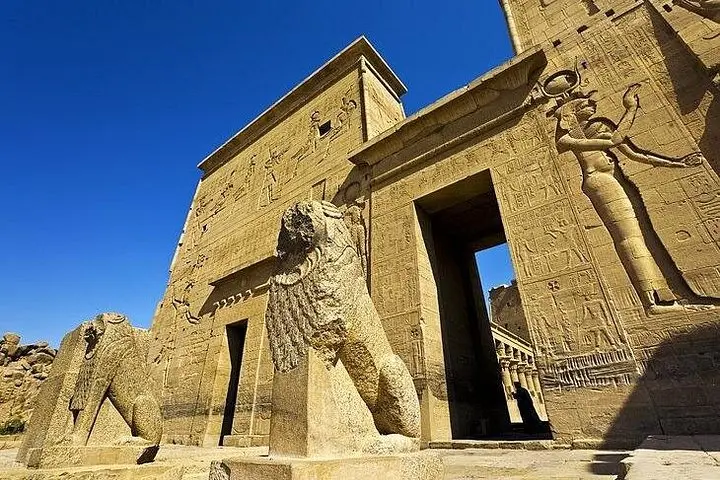
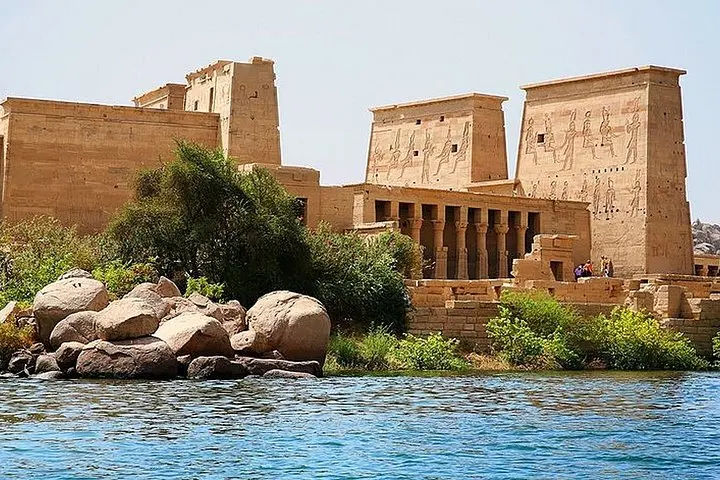
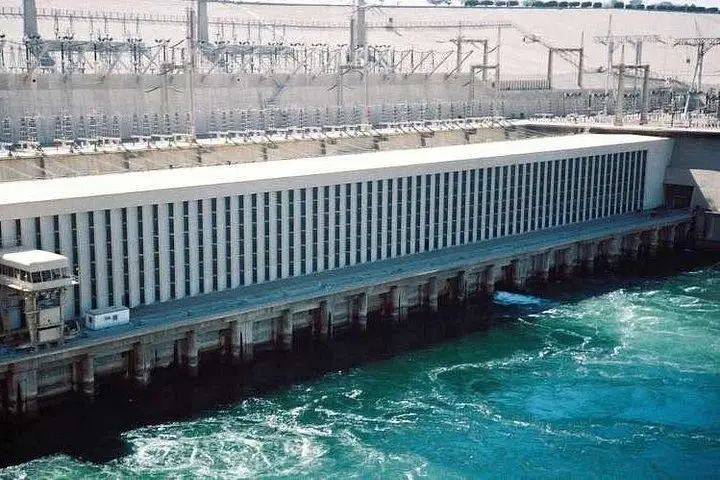
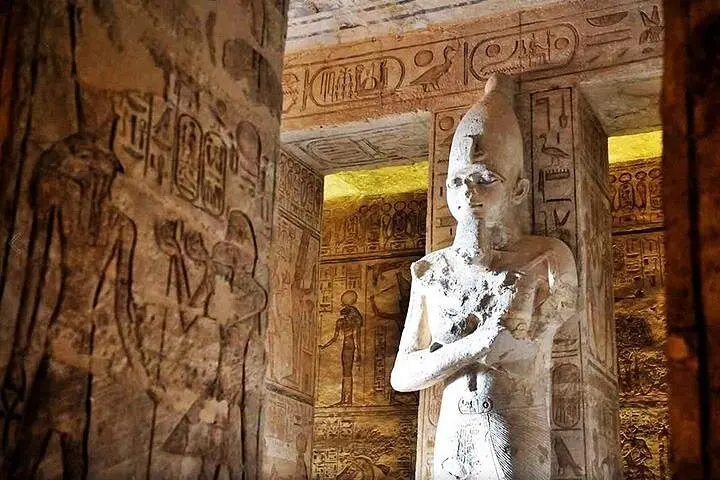
On day one the route moves like a narrative: a short domestic flight to Aswan, visits to the High Dam and the Unfinished Obelisk, and the island-temple of Philae where the Nile pushes gently around sacred granite. Day two brings an early transfer to Abu Simbel; the twin temples of Ramses II and Nefertari rise from the bedrock, their interiors aligned by ancient architects so sunlight penetrates the sanctuary on two calendar days.
Geology here is blunt and immediate—massive sandstone carved and re-carved, later lifted and rebuilt in the 1960s to save them from Lake Nasser’s rise. Culturally the sites are at the crossroads of Pharaonic ritual and modern engineering: UNESCO-led relocation, Nubian resettlement stories, and ongoing conservation work frame the experience.
Practical guidance: expect long transfers, an early start, and heat—carry water and a sun hat. Comfortable walking shoes and a lightweight layer for cooler mornings are useful. Photography is allowed at most viewpoints but avoid flash and touching reliefs. Your guide—an Egyptologist on most private tours—will handle permits and skip-the-line logistics; you’ll mainly be responsible for pacing and hydration.
This short, intense itinerary pairs monumental archaeology with the living Nile, delivering concentrated access to one of Egypt’s most dramatic UNESCO sites and the engineering story that saved it.
Yes—this itinerary includes admission to Abu Simbel; your guide will handle tickets and site access according to the schedule.
Walking is moderate: short distances across temple forecourts and steps inside sanctuaries; no long hikes are required.
Photography is generally allowed in exterior areas and some interiors, but follow guide instructions as rules can vary and flash may be prohibited.
The tour is family-friendly but involves transfers and steps; mobility limitations should be discussed in advance so accommodations (elevators are not available) can be arranged.
Dahab Safari Day Tours operates guided outdoor trips and adventures with an emphasis on safety, stewardship, and memorable experiences.
The morning light at Abu Simbel cuts across sandstone façades and seems to wake carved colossi—twelve meters of stone that stare out toward the open desert and the wide shoulder of Lake Nasser.
The morning light at Abu Simbel cuts across sandstone façades and seems to wake carved colossi—twelve meters of stone that stare out toward the open desert and the wide shoulder of Lake Nasser.
On day one the route moves like a narrative: a short domestic flight to Aswan, visits to the High Dam and the Unfinished Obelisk, and the island-temple of Philae where the Nile pushes gently around sacred granite. Day two brings an early transfer to Abu Simbel; the twin temples of Ramses II and Nefertari rise from the bedrock, their interiors aligned by ancient architects so sunlight penetrates the sanctuary on two calendar days.
Geology here is blunt and immediate—massive sandstone carved and re-carved, later lifted and rebuilt in the 1960s to save them from Lake Nasser’s rise. Culturally the sites are at the crossroads of Pharaonic ritual and modern engineering: UNESCO-led relocation, Nubian resettlement stories, and ongoing conservation work frame the experience.
Practical guidance: expect long transfers, an early start, and heat—carry water and a sun hat. Comfortable walking shoes and a lightweight layer for cooler mornings are useful. Photography is allowed at most viewpoints but avoid flash and touching reliefs. Your guide—an Egyptologist on most private tours—will handle permits and skip-the-line logistics; you’ll mainly be responsible for pacing and hydration.
This short, intense itinerary pairs monumental archaeology with the living Nile, delivering concentrated access to one of Egypt’s most dramatic UNESCO sites and the engineering story that saved it.