THE ADVENTURE COLLECTIVE® · Independent discovery and booking for outdoor travel

A compact, private two-day tour from Luxor that pairs Aswan’s riverfront temples and Nubian culture with an early-morning visit to the relocated Abu Simbel temples. Expect early starts, long drives, guided walks, meals, and an overnight in Aswan.
A compact, private two-day tour from Luxor that pairs Aswan’s riverfront temples and Nubian culture with an early-morning visit to the relocated Abu Simbel temples. Expect early starts, long drives, guided walks, meals, and an overnight in Aswan.
You arrive before sunrise in the thin air of Upper Egypt—dusted sandstone turning gold as the road unwinds from Luxor toward the Nile's broad curve. The river seems to push the landscape forward, pulling ancient stone and modern life into sight: the island temples of Philae, a felucca slipping past a Nubian village, and the colossal front of Abu Simbel greeting the sun.
Verified experiences and guided adventures in the surrounding area.
Operated by Eyes On Egypt · Aswan, Aswan Governorate
You arrive before sunrise in the thin air of Upper Egypt—dusted sandstone turning gold as the road unwinds from Luxor toward the Nile's broad curve. The river seems to push the landscape forward, pulling ancient stone and modern life into sight: the island temples of Philae, a felucca slipping past a Nubian village, and the colossal front of Abu Simbel greeting the sun.
This two-day itinerary threads history and engineering. Philae preserves the cult of Isis, the High Dam reshaped the Nile in the 1960s, and Abu Simbel stands as both Ramesses II’s monument and a UNESCO relocation triumph—moved block by block to escape Lake Nasser. Geologically, the sandstone and granite here record eons of desert and river action; culturally, Nubian hospitality and Aswan’s market life are immediate and lived-in.
Expect early departures, long but comfortable drives, short guided walks, and time for photos and local markets. The tour includes a night in Aswan, meals as listed, and a felucca ride around Elephantine Island. Wear sturdy walking shoes for uneven temple thresholds, sun protection for exposed sites, and a light jacket for early-morning breezes on the journey.
Practical tips: carry cash for market purchases and tips, bring a refillable water bottle (ports for refills are limited at remote sites), and confirm pickup details with your operator the evening before. This trip pairs monumental archaeology with hands-on local encounters—immersion that’s equal parts spectacle and travel logistics.
It’s about a 3-hour drive one way (approx. 280 km) each way; early departures are standard to maximize sightseeing.
The itinerary lists lunch and breakfast inclusions and transfers; check your booking for specific entrance fee coverage—some sites may require separate tickets.
Many areas are wheelchair accessible in Aswan, but Abu Simbel has steps and uneven surfaces; request accessibility details from the operator ahead of time.
Photography is generally allowed outside and in most areas, but rules can change; avoid flash on sensitive reliefs and follow guide instructions.
Eyes On Egypt operates guided outdoor trips and adventures with an emphasis on safety, stewardship, and memorable experiences.
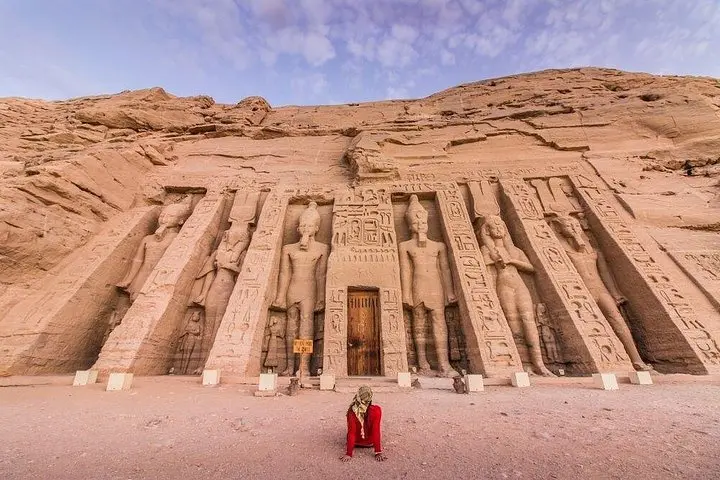
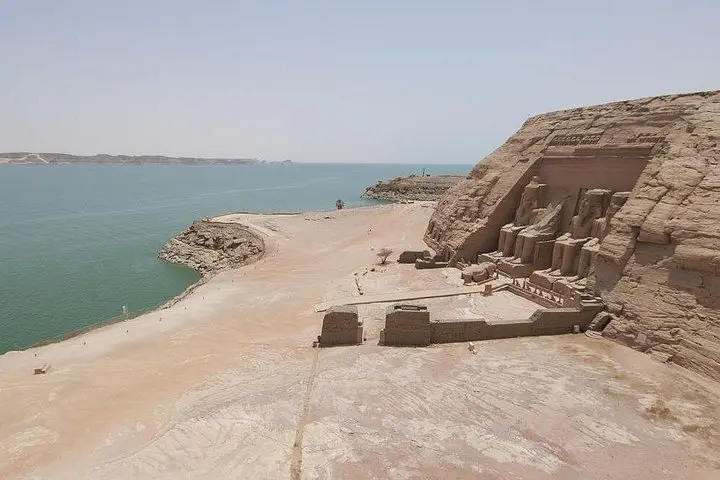
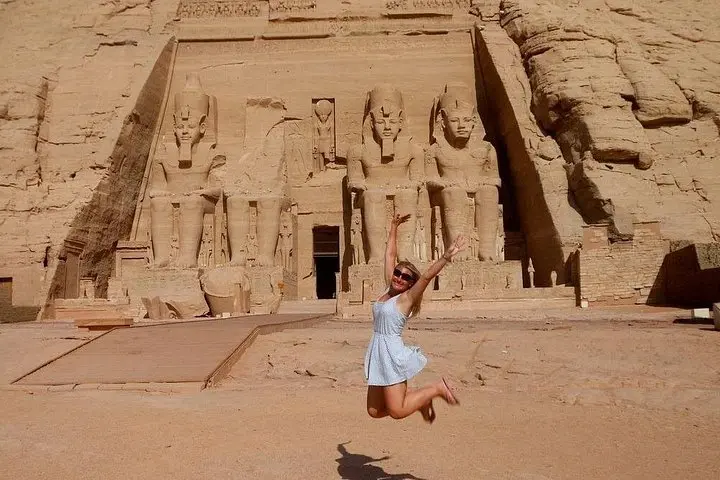
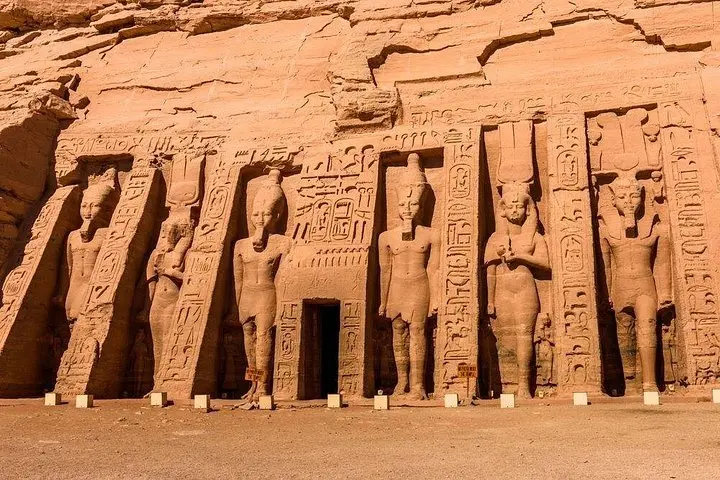
You arrive before sunrise in the thin air of Upper Egypt—dusted sandstone turning gold as the road unwinds from Luxor toward the Nile's broad curve. The river seems to push the landscape forward, pulling ancient stone and modern life into sight: the island temples of Philae, a felucca slipping past a Nubian village, and the colossal front of Abu Simbel greeting the sun.
You arrive before sunrise in the thin air of Upper Egypt—dusted sandstone turning gold as the road unwinds from Luxor toward the Nile's broad curve. The river seems to push the landscape forward, pulling ancient stone and modern life into sight: the island temples of Philae, a felucca slipping past a Nubian village, and the colossal front of Abu Simbel greeting the sun.
This two-day itinerary threads history and engineering. Philae preserves the cult of Isis, the High Dam reshaped the Nile in the 1960s, and Abu Simbel stands as both Ramesses II’s monument and a UNESCO relocation triumph—moved block by block to escape Lake Nasser. Geologically, the sandstone and granite here record eons of desert and river action; culturally, Nubian hospitality and Aswan’s market life are immediate and lived-in.
Expect early departures, long but comfortable drives, short guided walks, and time for photos and local markets. The tour includes a night in Aswan, meals as listed, and a felucca ride around Elephantine Island. Wear sturdy walking shoes for uneven temple thresholds, sun protection for exposed sites, and a light jacket for early-morning breezes on the journey.
Practical tips: carry cash for market purchases and tips, bring a refillable water bottle (ports for refills are limited at remote sites), and confirm pickup details with your operator the evening before. This trip pairs monumental archaeology with hands-on local encounters—immersion that’s equal parts spectacle and travel logistics.