THE ADVENTURE COLLECTIVE® · Independent discovery and booking for outdoor travel

Skip the six-hour road transfer and arrive at Abu Simbel by plane for a focused, six-hour private tour. See Ramses II’s monumental façade, the intimate temple of Nefertari, and learn about the UNESCO-led relocation while minimizing transit time.
Skip the six-hour road transfer and arrive at Abu Simbel by plane for a focused, six-hour private tour. See Ramses II’s monumental façade, the intimate temple of Nefertari, and learn about the UNESCO-led relocation while minimizing transit time.
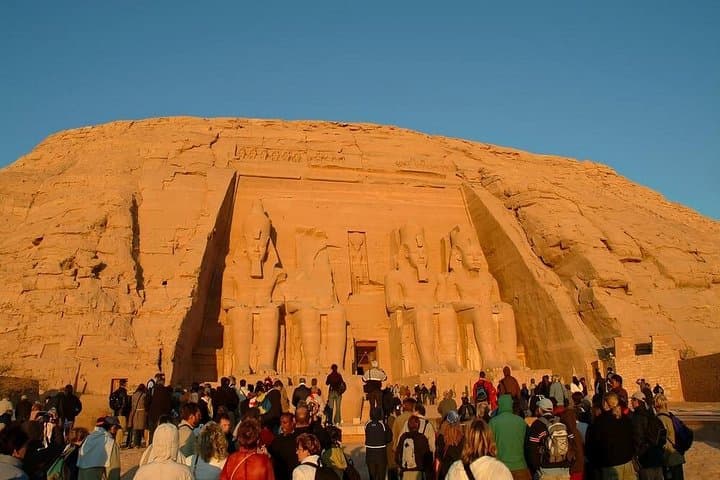
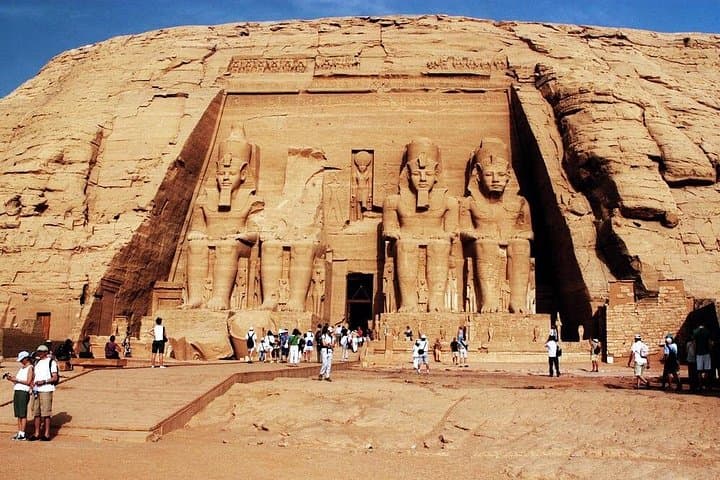
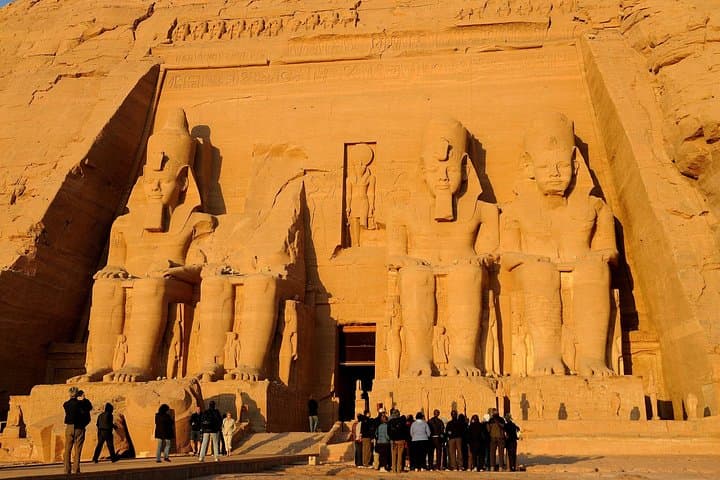
You step off a short morning flight and the desert meets you with a dry, wind-edged clarity; sandstone cliffs stand like sculpted promises on the horizon, and four colossal figures stare out across the sand. The plane ride from Aswan compresses a long road journey into a six-hour loop, handing you back hours while delivering a concentrated encounter with two of Egypt’s most dramatic temples.
Verified experiences and guided adventures in the surrounding area.
Operated by Egypt Lovely Tours · Abu Simbel, Aswan Governorate
You step off a short morning flight and the desert meets you with a dry, wind-edged clarity; sandstone cliffs stand like sculpted promises on the horizon, and four colossal figures stare out across the sand. The plane ride from Aswan compresses a long road journey into a six-hour loop, handing you back hours while delivering a concentrated encounter with two of Egypt’s most dramatic temples.
Built by Ramses II in the 13th century BCE and later rediscovered under sand in 1813, the Great Temple of Ramses and the smaller temple of Queen Nefertari were painstakingly moved in the 1960s to escape the rising waters behind the Aswan High Dam. The architecture is carved from Nubian sandstone, their façades carved and painted to catch the hard sunlight; inside, reliefs record battles, deities and the pharaoh’s carefully staged afterlife.
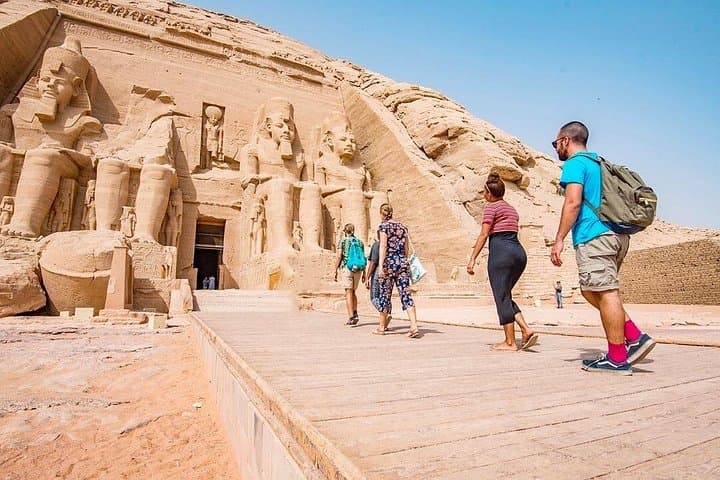
Expect broad, flat forecourts, stepped platforms and interior chambers that align with the sun twice a year—an effect still celebrated on 22 February and 22 October. The site’s scale is theatrical but accessible: short walks, some steps, and long exposures to sun and wind.
Practical notes: the tour includes hotel pickup in Aswan, return flight, bottled water and an Egyptologist-trained guide—plan for early departures and light layers for shifting temperatures. Bring sun protection, comfortable shoes, and your passport for airport transfers and security. Respect signage and restricted areas; photography is allowed in most spaces but follow guide directions. The flight option is the fastest way to visit Abu Simbel from Aswan if you want maximum time at the temples with minimal transit fatigue.
The scheduled flight segment is short—typically around 40–60 minutes each way—making this a one-day round trip from Aswan.
This private tour includes the flight ticket, hotel pickup and return, bottled water and guide assistance; check your booking for any optional entrance fee inclusions.
No—walking is short and mostly on flat surfaces, with some steps inside temples; the trip is rated easy for general fitness levels.
The inner sanctuary alignment with the sun occurs around 22 February and 22 October, dates tied to Ramses II’s ceremonial calendar; most visits still offer excellent light and details year-round.
Egypt Lovely Tours operates guided outdoor trips and adventures with an emphasis on safety, stewardship, and memorable experiences.
You step off a short morning flight and the desert meets you with a dry, wind-edged clarity; sandstone cliffs stand like sculpted promises on the horizon, and four colossal figures stare out across the sand. The plane ride from Aswan compresses a long road journey into a six-hour loop, handing you back hours while delivering a concentrated encounter with two of Egypt’s most dramatic temples.
You step off a short morning flight and the desert meets you with a dry, wind-edged clarity; sandstone cliffs stand like sculpted promises on the horizon, and four colossal figures stare out across the sand. The plane ride from Aswan compresses a long road journey into a six-hour loop, handing you back hours while delivering a concentrated encounter with two of Egypt’s most dramatic temples.
Built by Ramses II in the 13th century BCE and later rediscovered under sand in 1813, the Great Temple of Ramses and the smaller temple of Queen Nefertari were painstakingly moved in the 1960s to escape the rising waters behind the Aswan High Dam. The architecture is carved from Nubian sandstone, their façades carved and painted to catch the hard sunlight; inside, reliefs record battles, deities and the pharaoh’s carefully staged afterlife.
Expect broad, flat forecourts, stepped platforms and interior chambers that align with the sun twice a year—an effect still celebrated on 22 February and 22 October. The site’s scale is theatrical but accessible: short walks, some steps, and long exposures to sun and wind.
Practical notes: the tour includes hotel pickup in Aswan, return flight, bottled water and an Egyptologist-trained guide—plan for early departures and light layers for shifting temperatures. Bring sun protection, comfortable shoes, and your passport for airport transfers and security. Respect signage and restricted areas; photography is allowed in most spaces but follow guide directions. The flight option is the fastest way to visit Abu Simbel from Aswan if you want maximum time at the temples with minimal transit fatigue.