THE ADVENTURE COLLECTIVE® · Independent discovery and booking for outdoor travel

Travel from Aswan at dawn to stand beneath Ramses II’s colossi, then glide by motorboat to a colorful Nubian village. This private day tour combines UNESCO history, desert geology, and intimate cultural exchange—an exhaustive but rewarding single-day itinerary.
Travel from Aswan at dawn to stand beneath Ramses II’s colossi, then glide by motorboat to a colorful Nubian village. This private day tour combines UNESCO history, desert geology, and intimate cultural exchange—an exhaustive but rewarding single-day itinerary.
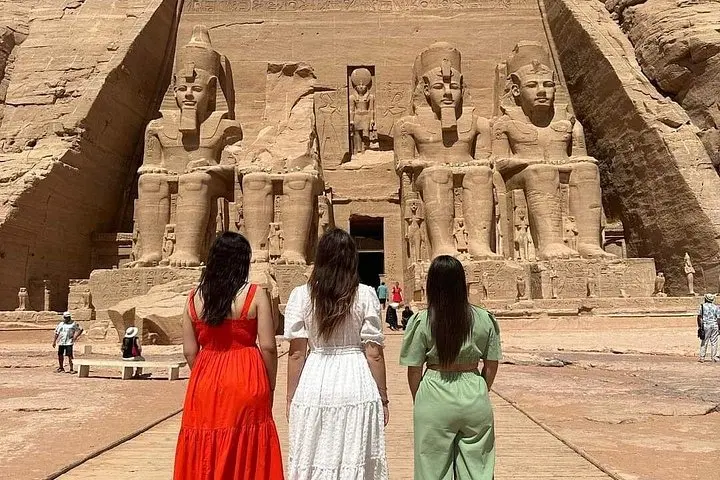
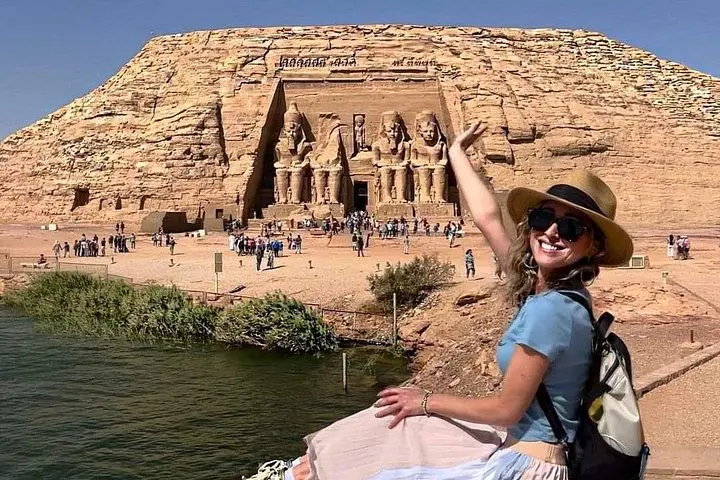
The road opens before dawn: a flat ribbon of asphalt through ochre desert, the engine steady while the sky lightens and the first sandstone ridges catch fire. By the time you reach the Abu Simbel plateau, four hulking colossi of Ramses II hold the valley’s silence, their carved faces staring down the rush of tourists and the slow Nile beyond.
Verified experiences and guided adventures in the surrounding area.
Operated by Egypt Gift Tours · Abu Simbel, Aswan Governorate
The road opens before dawn: a flat ribbon of asphalt through ochre desert, the engine steady while the sky lightens and the first sandstone ridges catch fire. By the time you reach the Abu Simbel plateau, four hulking colossi of Ramses II hold the valley’s silence, their carved faces staring down the rush of tourists and the slow Nile beyond.
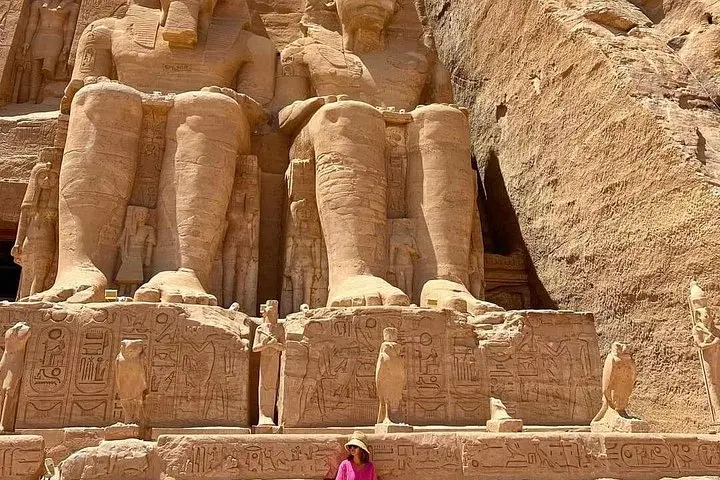
This private day tour pairs two strong threads of southern Egypt—monumental New Kingdom architecture and contemporary Nubian village life. Abu Simbel’s twin temples, relocated in the 1960s under a UNESCO effort to save them from Lake Nasser’s rising waters, are late Bronze Age masterpieces carved into the cliff face; their façade and interior reliefs narrate pharaonic power, war, and divine kingship. The drive traverses Precambrian desert geology—scarps, wadis and basalt outcrops—before dropping toward the Nile’s shoreline where Nubian communities line small islands and canals.
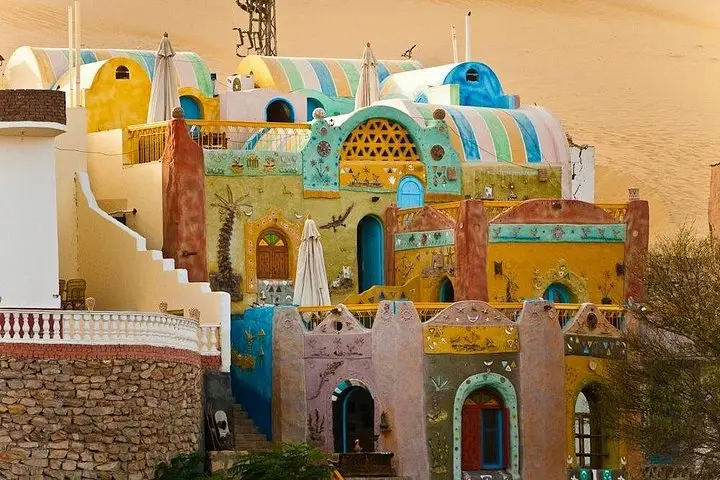
On Soheil Island, a quiet motorboat ride leads to low houses painted in bright colors; families welcome visitors, showcase crafts, and pour sweet mint tea while explaining local customs and architecture adapted to the river’s rhythms. Expect short guided walks, interpretive stops at the small visitor center about the relocation project, and a relaxed lunch back toward Aswan.
Practical guide: the day starts very early (pick-up often before 5am) and is long—bring a sun hat, high-SPF sunscreen, refillable water, and comfortable walking shoes for uneven temple steps. Bring cash for drinks, tips, and the entrance fee card payments. If heat is a concern, schedule this outing in cooler months or request shaded breaks—the desert will press you to move deliberately, but the rewards are immediate and monumental.
Entrance fees to Abu Simbel are paid on site by card or cash depending on the ticket office; verify with your operator whether fees are covered or payable on arrival.
Expect roughly 3–4 hours each way (about 280 km) depending on traffic and stops—plan for a full 12–14 hour day including visits.
Yes—this itinerary includes a short motorboat ride to Soheil Island where you can visit family homes, crafts stalls, and enjoy a welcome drink.
The transfer and village visit are accessible, but temple interiors include steps and uneven floors; wheelchair access at ruins is limited—check specific accessibility needs with the operator.
Egypt Gift Tours operates guided outdoor trips and adventures with an emphasis on safety, stewardship, and memorable experiences.
The road opens before dawn: a flat ribbon of asphalt through ochre desert, the engine steady while the sky lightens and the first sandstone ridges catch fire. By the time you reach the Abu Simbel plateau, four hulking colossi of Ramses II hold the valley’s silence, their carved faces staring down the rush of tourists and the slow Nile beyond.
The road opens before dawn: a flat ribbon of asphalt through ochre desert, the engine steady while the sky lightens and the first sandstone ridges catch fire. By the time you reach the Abu Simbel plateau, four hulking colossi of Ramses II hold the valley’s silence, their carved faces staring down the rush of tourists and the slow Nile beyond.
This private day tour pairs two strong threads of southern Egypt—monumental New Kingdom architecture and contemporary Nubian village life. Abu Simbel’s twin temples, relocated in the 1960s under a UNESCO effort to save them from Lake Nasser’s rising waters, are late Bronze Age masterpieces carved into the cliff face; their façade and interior reliefs narrate pharaonic power, war, and divine kingship. The drive traverses Precambrian desert geology—scarps, wadis and basalt outcrops—before dropping toward the Nile’s shoreline where Nubian communities line small islands and canals.
On Soheil Island, a quiet motorboat ride leads to low houses painted in bright colors; families welcome visitors, showcase crafts, and pour sweet mint tea while explaining local customs and architecture adapted to the river’s rhythms. Expect short guided walks, interpretive stops at the small visitor center about the relocation project, and a relaxed lunch back toward Aswan.
Practical guide: the day starts very early (pick-up often before 5am) and is long—bring a sun hat, high-SPF sunscreen, refillable water, and comfortable walking shoes for uneven temple steps. Bring cash for drinks, tips, and the entrance fee card payments. If heat is a concern, schedule this outing in cooler months or request shaded breaks—the desert will press you to move deliberately, but the rewards are immediate and monumental.