THE ADVENTURE COLLECTIVE® · Independent discovery and booking for outdoor travel

Spend a full day traveling from Aswan to the relocated Abu Simbel temples, then sail to a vibrant Nubian village for cultural immersion. This private tour pairs expert commentary with an easy-paced schedule suitable for most travelers.
Spend a full day traveling from Aswan to the relocated Abu Simbel temples, then sail to a vibrant Nubian village for cultural immersion. This private tour pairs expert commentary with an easy-paced schedule suitable for most travelers.
You arrive before dawn in the low, dry light of southern Egypt, the road south from Aswan flanked by gilt desert and the steady pulse of the Nile behind you. The drive to Abu Simbel feels cinematic — broad horizons, occasional date palms, and the quiet build toward the colossal façade of Ramses II rising out of stone.
Verified experiences and guided adventures in the surrounding area.
Operated by Luxor Magic Tours · Aswan, Aswan Governorate
You arrive before dawn in the low, dry light of southern Egypt, the road south from Aswan flanked by gilt desert and the steady pulse of the Nile behind you. The drive to Abu Simbel feels cinematic — broad horizons, occasional date palms, and the quiet build toward the colossal façade of Ramses II rising out of stone.
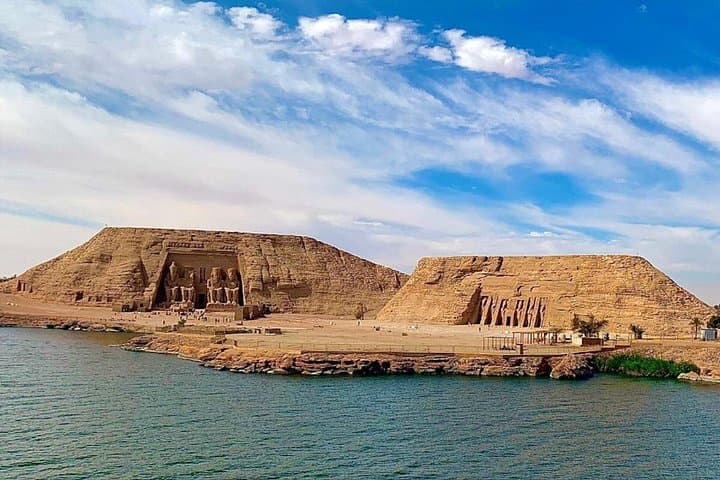
Built in the 13th century BC and famously rescued and relocated during the 1960s to save them from the Nile’s rising waters, the twin temples at Abu Simbel reveal engineering and political theater carved at monumental scale. The Great Temple aligns with the sun twice a year, a reminder of ancient astronomical skill, while the smaller temple honors Queen Nefertari and offers a glimpse into royal Nubian-Egyptian relations.
The return to Aswan and a short motorboat hop to Soheil Island bring a different pace: bright-painted Nubian homes, friendly families, and the scent of hibiscus tea. The village preserves a living culture — language lessons at the local school, hand-painted crafts, and traditional hospitality that rewards respectful curiosity.
Practical guidance: expect a long day (around 11 hours) with several hours on the road; bring sun protection, comfortable walking shoes and a photocopy of your passport for any ticketing checks. Entrance fees are commonly paid on site; confirm whether your booking includes them. Carry small notes for purchases and photography, ask before photographing people, and plan for limited shade between sites. Early starts and a knowledgeable Egyptologist guide make the full-day itinerary manageable and deeply rewarding.
Not always; many tours leave entrance fees separate — confirm with the operator and have cash or card ready at the site.
About 3 hours one way by air-conditioned vehicle each way; expect an 11‑hour day including site visits and transfers.
Yes — the village is family-friendly, with short walks and opportunities to meet locals, but keep close supervision near water and busy streets.
Photography is generally allowed in exterior and many interior areas, but follow guide instructions and any posted restrictions; flash may be prohibited.
Luxor Magic Tours operates guided outdoor trips and adventures with an emphasis on safety, stewardship, and memorable experiences.


You arrive before dawn in the low, dry light of southern Egypt, the road south from Aswan flanked by gilt desert and the steady pulse of the Nile behind you. The drive to Abu Simbel feels cinematic — broad horizons, occasional date palms, and the quiet build toward the colossal façade of Ramses II rising out of stone.
You arrive before dawn in the low, dry light of southern Egypt, the road south from Aswan flanked by gilt desert and the steady pulse of the Nile behind you. The drive to Abu Simbel feels cinematic — broad horizons, occasional date palms, and the quiet build toward the colossal façade of Ramses II rising out of stone.
Built in the 13th century BC and famously rescued and relocated during the 1960s to save them from the Nile’s rising waters, the twin temples at Abu Simbel reveal engineering and political theater carved at monumental scale. The Great Temple aligns with the sun twice a year, a reminder of ancient astronomical skill, while the smaller temple honors Queen Nefertari and offers a glimpse into royal Nubian-Egyptian relations.
The return to Aswan and a short motorboat hop to Soheil Island bring a different pace: bright-painted Nubian homes, friendly families, and the scent of hibiscus tea. The village preserves a living culture — language lessons at the local school, hand-painted crafts, and traditional hospitality that rewards respectful curiosity.
Practical guidance: expect a long day (around 11 hours) with several hours on the road; bring sun protection, comfortable walking shoes and a photocopy of your passport for any ticketing checks. Entrance fees are commonly paid on site; confirm whether your booking includes them. Carry small notes for purchases and photography, ask before photographing people, and plan for limited shade between sites. Early starts and a knowledgeable Egyptologist guide make the full-day itinerary manageable and deeply rewarding.