THE ADVENTURE COLLECTIVE® · Independent discovery and booking for outdoor travel

A single private day that links Abu Simbel’s colossal reliefs with the island temple of Philae, the Unfinished Obelisk quarry, and the Aswan High Dam. Expect long drives, close-up history, and flexible timing to linger where you choose.
A single private day that links Abu Simbel’s colossal reliefs with the island temple of Philae, the Unfinished Obelisk quarry, and the Aswan High Dam. Expect long drives, close-up history, and flexible timing to linger where you choose.
A private car slips away from Aswan before dawn, the Nile’s broad shoulder reflecting a pale orange that promises heat later in the day. Tires hum over desert road as the landscape thins into the raw, pink granite country that gave Egypt its monumental stone. By midmorning the sheer faces of Abu Simbel rise—four seated colossi of Ramses II staring down the valley, their shadows cutting clear lines across ancient relief.
Verified experiences and guided adventures in the surrounding area.
Operated by Eyes of Egypt · Aswan, Aswan Governorate
A private car slips away from Aswan before dawn, the Nile’s broad shoulder reflecting a pale orange that promises heat later in the day. Tires hum over desert road as the landscape thins into the raw, pink granite country that gave Egypt its monumental stone. By midmorning the sheer faces of Abu Simbel rise—four seated colossi of Ramses II staring down the valley, their shadows cutting clear lines across ancient relief.
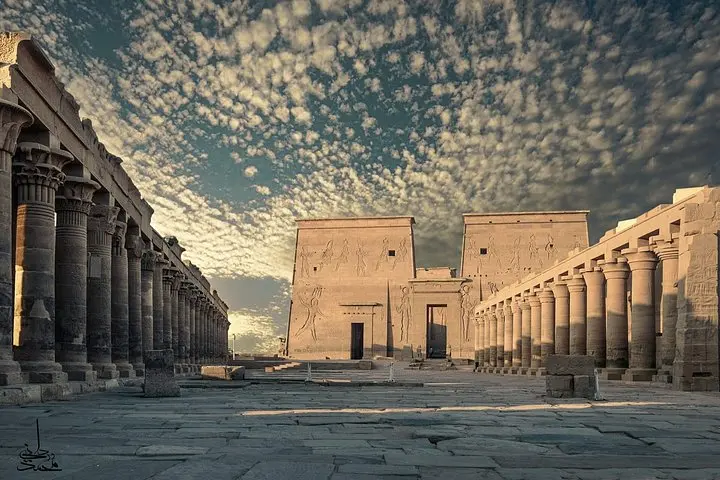
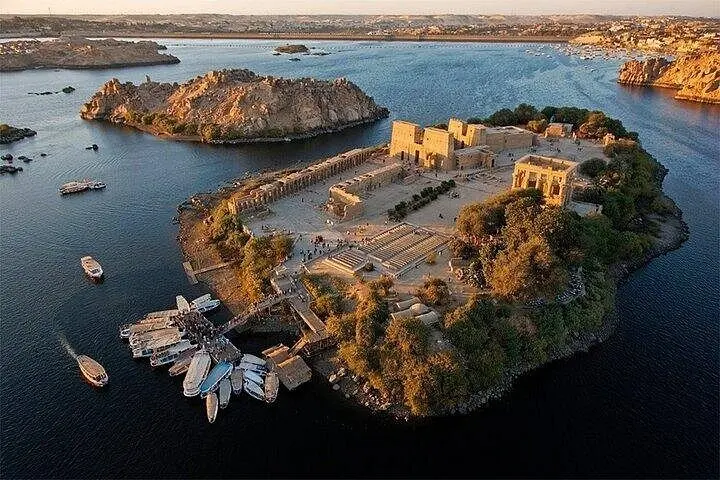
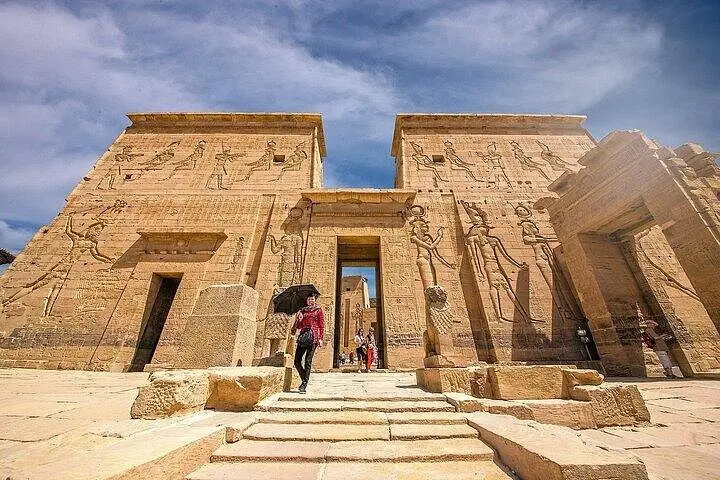
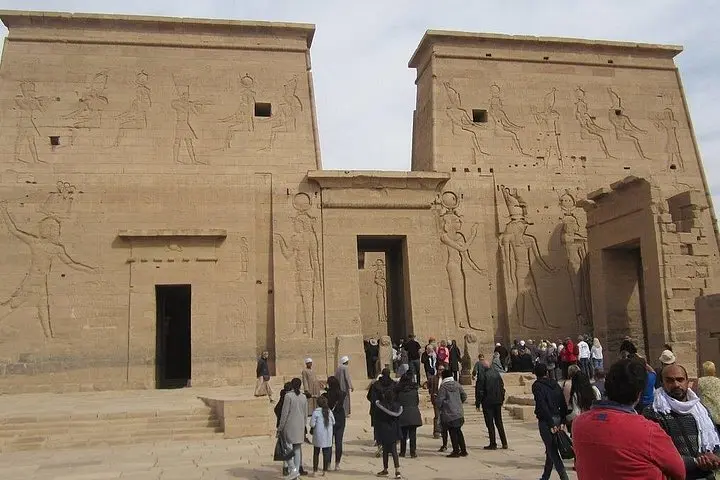
This route stitches 3,000 years of Nile-side achievement: the New Kingdom showmanship of Abu Simbel, the island-temple romance of Philae, the raw quarry of the Unfinished Obelisk, and the modern sweep of the Aswan High Dam and Lake Nasser. Geology explains the granite that inspired monoliths; 1960s international engineering explains why temples were moved stone by stone into new positions to escape the lake’s rising waters.
Expect long drives (about 3 hours each way to Abu Simbel), guided interpretations of hieroglyphs and quarrying techniques, and gentle walking with steps into temple interiors. The day rewards photographers and history lovers with intimate access—your pace dictates how long you linger at sanctuaries or inspect chisel marks.
Practical notes: start early, carry sun protection and ample water, and bring passports for some ticket checks. Wheelchair access varies between sites; Philae has short boat transfer. For those who want context, ask your guide about the 1960s UNESCO salvage, the dam’s impact on agriculture, and how ancient stoneworking met modern engineering.
The road journey is about 280 km (≈175 miles) and typically takes around three hours each way with stops for rest.
Entrance fees are optional and may not be included by default; confirm with the operator whether tickets are part of your booking.
Yes—it's private and paced to your needs, but consider the long drives and multiple steps; wheelchair access varies by site and boat transfers may be required at Philae.
Photography is generally allowed in outdoor areas and many interiors, but tripod use or flash may be restricted; follow local signage and guide instructions.
Eyes of Egypt operates guided outdoor trips and adventures with an emphasis on safety, stewardship, and memorable experiences.
A private car slips away from Aswan before dawn, the Nile’s broad shoulder reflecting a pale orange that promises heat later in the day. Tires hum over desert road as the landscape thins into the raw, pink granite country that gave Egypt its monumental stone. By midmorning the sheer faces of Abu Simbel rise—four seated colossi of Ramses II staring down the valley, their shadows cutting clear lines across ancient relief.
A private car slips away from Aswan before dawn, the Nile’s broad shoulder reflecting a pale orange that promises heat later in the day. Tires hum over desert road as the landscape thins into the raw, pink granite country that gave Egypt its monumental stone. By midmorning the sheer faces of Abu Simbel rise—four seated colossi of Ramses II staring down the valley, their shadows cutting clear lines across ancient relief.
This route stitches 3,000 years of Nile-side achievement: the New Kingdom showmanship of Abu Simbel, the island-temple romance of Philae, the raw quarry of the Unfinished Obelisk, and the modern sweep of the Aswan High Dam and Lake Nasser. Geology explains the granite that inspired monoliths; 1960s international engineering explains why temples were moved stone by stone into new positions to escape the lake’s rising waters.
Expect long drives (about 3 hours each way to Abu Simbel), guided interpretations of hieroglyphs and quarrying techniques, and gentle walking with steps into temple interiors. The day rewards photographers and history lovers with intimate access—your pace dictates how long you linger at sanctuaries or inspect chisel marks.
Practical notes: start early, carry sun protection and ample water, and bring passports for some ticket checks. Wheelchair access varies between sites; Philae has short boat transfer. For those who want context, ask your guide about the 1960s UNESCO salvage, the dam’s impact on agriculture, and how ancient stoneworking met modern engineering.