THE ADVENTURE COLLECTIVE® · Independent discovery and booking for outdoor travel

Four days of highland trekking around the Abune Yosef massif combine village homestays, volcanic escarpments and ancient cave churches. Expect high-altitude trails, wildlife sightings (gelada and Ethiopian wolf) and culturally rich nights in family huts.
Four days of highland trekking around the Abune Yosef massif combine village homestays, volcanic escarpments and ancient cave churches. Expect high-altitude trails, wildlife sightings (gelada and Ethiopian wolf) and culturally rich nights in family huts.
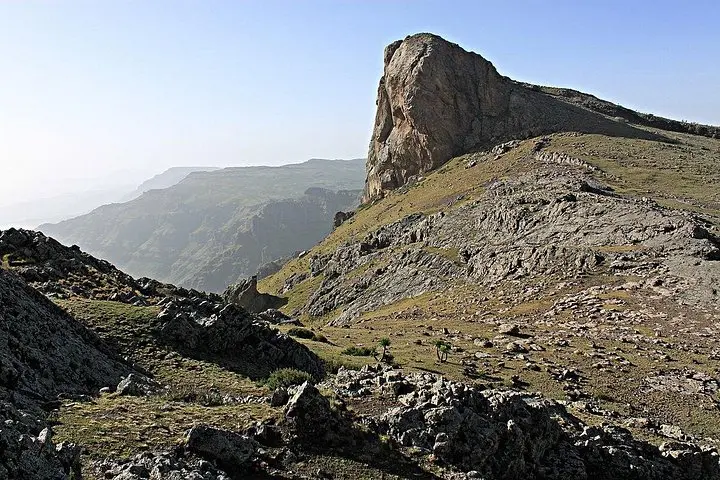
A thin, cold wind wakes before sunrise on the Abune Yosef massif; guides and porters gather at a village hut and the trail spits hikers out onto the Merabaru plateau where jagged escarpments slice the sky. Over four days the route threads between highland villages, terraces of barley and teff, and raw basalt ridges, finishing with a long descent back into the sandstone streets of Lalibela.
Verified experiences and guided adventures in the surrounding area.
Operated by Ethio Travel And Tours · Lalibela, Amhara
A thin, cold wind wakes before sunrise on the Abune Yosef massif; guides and porters gather at a village hut and the trail spits hikers out onto the Merabaru plateau where jagged escarpments slice the sky. Over four days the route threads between highland villages, terraces of barley and teff, and raw basalt ridges, finishing with a long descent back into the sandstone streets of Lalibela.
Geologically the massif is a high volcanic uplift carved by erosion into steep cliffs and plateaus; the highest ridges top 4,200–4,300 m, so day-to-day hiking alternates thin-air efforts and mellow village stretches. Culturally the trek passes through communities shaped by the Zagwe and later Amhara traditions — the cave church of Yemrehane Kristos offers a direct link to 12th-century Christian architecture, older in form than some of Lalibela’s rock-cut churches.
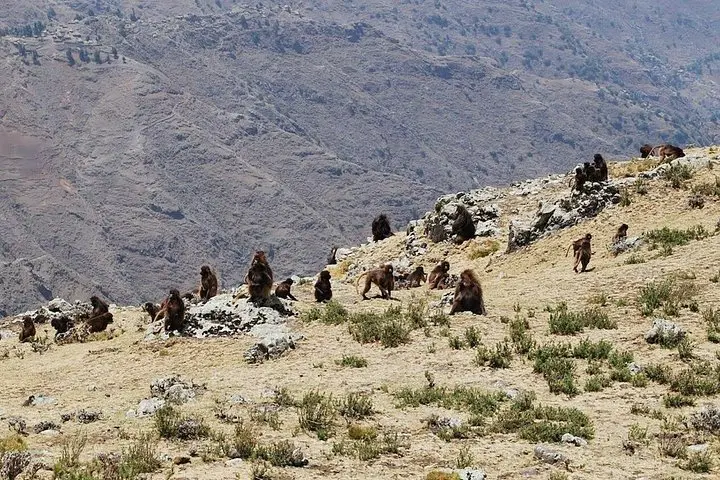
Expect simple homestays, one night at Abune Yosef Eco Lodge, and a rhythm of early departures, long midday rests on exposed plateaus, and evening meals cooked in family huts. Wildlife is a quiet presence: gelada troops patrol ridgelines and, with luck and silence, you might glimpse the endemic Ethiopian wolf at dawn. Trails are a mix of rocky terraces, grassy paths and steep switchbacks; altitude and uneven footing are the main challenges.
Practical tips: carry layered insulation for cold nights, bring a reliable water treatment system, use trekking poles on descents, and allow a full day to acclimatize before this trek. Guides coordinate village stays and navigation — essential when trails cross communal grazing lands.
Expect 3–6 hours of walking most days with significant altitude gain on day two toward Rim Gedel (around 4,284 m); trails vary from gentle plateaus to steep switchbacks.
Homestays are basic family huts with simple sleeping arrangements; one night is at Abune Yosef Eco Lodge which has more amenities—bring a warm sleeping layer.
Gelada baboons are commonly seen on ridgelines and grasslands; Ethiopian wolves are rare but occasionally spotted at dawn if you keep quiet and patient.
Local guides are used for navigation, village introductions and logistics; the Abune Yosef area is managed for conservation so follow guide directions and any park rules.
Ethio Travel And Tours operates guided outdoor trips and adventures with an emphasis on safety, stewardship, and memorable experiences.
A thin, cold wind wakes before sunrise on the Abune Yosef massif; guides and porters gather at a village hut and the trail spits hikers out onto the Merabaru plateau where jagged escarpments slice the sky. Over four days the route threads between highland villages, terraces of barley and teff, and raw basalt ridges, finishing with a long descent back into the sandstone streets of Lalibela.
A thin, cold wind wakes before sunrise on the Abune Yosef massif; guides and porters gather at a village hut and the trail spits hikers out onto the Merabaru plateau where jagged escarpments slice the sky. Over four days the route threads between highland villages, terraces of barley and teff, and raw basalt ridges, finishing with a long descent back into the sandstone streets of Lalibela.
Geologically the massif is a high volcanic uplift carved by erosion into steep cliffs and plateaus; the highest ridges top 4,200–4,300 m, so day-to-day hiking alternates thin-air efforts and mellow village stretches. Culturally the trek passes through communities shaped by the Zagwe and later Amhara traditions — the cave church of Yemrehane Kristos offers a direct link to 12th-century Christian architecture, older in form than some of Lalibela’s rock-cut churches.
Expect simple homestays, one night at Abune Yosef Eco Lodge, and a rhythm of early departures, long midday rests on exposed plateaus, and evening meals cooked in family huts. Wildlife is a quiet presence: gelada troops patrol ridgelines and, with luck and silence, you might glimpse the endemic Ethiopian wolf at dawn. Trails are a mix of rocky terraces, grassy paths and steep switchbacks; altitude and uneven footing are the main challenges.
Practical tips: carry layered insulation for cold nights, bring a reliable water treatment system, use trekking poles on descents, and allow a full day to acclimatize before this trek. Guides coordinate village stays and navigation — essential when trails cross communal grazing lands.