THE ADVENTURE COLLECTIVE® · Independent discovery and booking for outdoor travel

Escape Accra for a fresh‑air day trip into the Aburi Hills. Visit the historic Tetteh Quarshie cocoa farm, wander Aburi Botanical Gardens, cool off at Oboadaka waterfall, and browse an active craft village, all within a well‑paced 4–5 hour outing.
Escape Accra for a fresh‑air day trip into the Aburi Hills. Visit the historic Tetteh Quarshie cocoa farm, wander Aburi Botanical Gardens, cool off at Oboadaka waterfall, and browse an active craft village, all within a well‑paced 4–5 hour outing.
You step out of the air‑conditioned car into a cooler band of hills where the wind carries the resinous scent of pine and the chatter of birds. The Aburi Botanical Gardens open like a green room after Accra’s heat — tall mahogany trunks, palms punctuating open lawns, and orchids clinging to branches overhead. The path underfoot is soft with leaf litter; the gardens’ alleys invite slow walking and sharp listening.
Verified experiences and guided adventures in the surrounding area.
Operated by Vince · Aburi, Eastern Region
You step out of the air‑conditioned car into a cooler band of hills where the wind carries the resinous scent of pine and the chatter of birds. The Aburi Botanical Gardens open like a green room after Accra’s heat — tall mahogany trunks, palms punctuating open lawns, and orchids clinging to branches overhead. The path underfoot is soft with leaf litter; the gardens’ alleys invite slow walking and sharp listening.
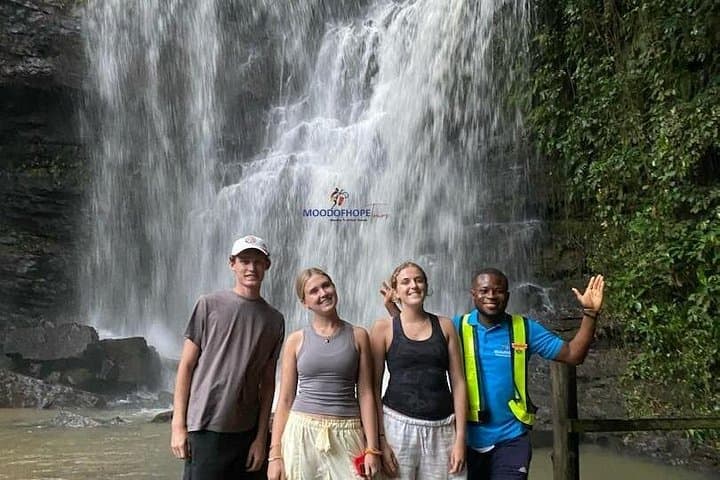
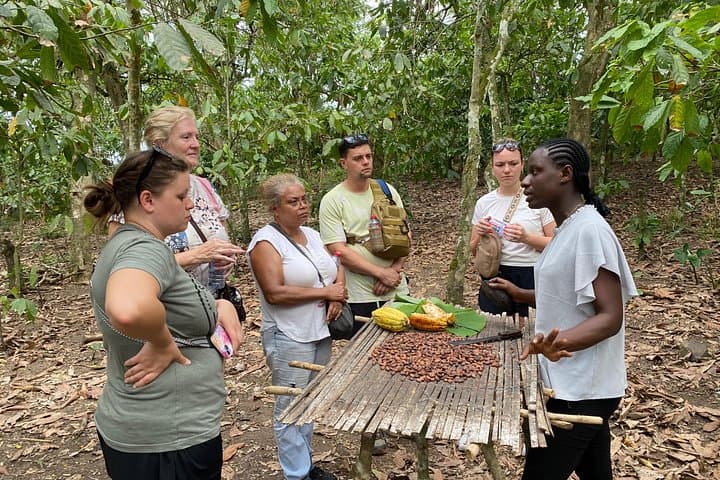
The day threads natural history with human history. Aburi Gardens, established in the late 19th century, reflects colonial-era botanical exploration and modern conservation efforts. Nearby, Tetteh Quarshie’s cocoa farm marks the origin point of Ghana’s cocoa industry — two surviving trees more than a century old still fruiting and offering a direct link to rural livelihoods and export history. Geologically, the Akuapim‑Mampong escarpment shapes short, steep drops that feed streams and the multi‑tiered Oboadaka waterfall; its plunge pool and stepped rock faces show how water carves the ridge over time.
Cultural stops include the craft village where woodcarving and woven goods are made in plain view, making local economies tangible. For practical planning: expect a 4–5 hour round trip from Accra in an air‑conditioned vehicle, mostly easy walking on maintained paths but steeper stair sections at the waterfall. Bring water, sun protection, and comfortable shoes with grip. Aim for mornings to avoid afternoon showers and to get the clearest views at the falls.
This is a compact, varied day — botanical study, a living cocoa monument, birdsong, and a cooling cascade — all within easy reach of Accra.
Expect about 4–5 hours for the full guided day trip including transport, garden time, the cocoa farm, waterfall visit, and craft village.
The plunge pool at Oboadaka is accessible but conditions vary—exercise caution, watch for slippery rocks, and follow your guide’s advice.
Guided itineraries often include admission to the botanical gardens; confirm with the operator whether fees for all stops are covered.
Yes—paths in the gardens are gentle and the tour is described as physically easy, though the waterfall descent involves stairs and may be strenuous for some.
Vince operates guided outdoor trips and adventures with an emphasis on safety, stewardship, and memorable experiences.
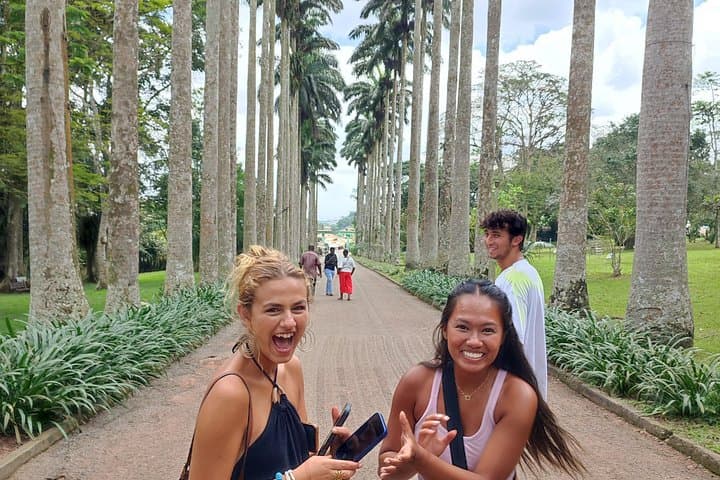
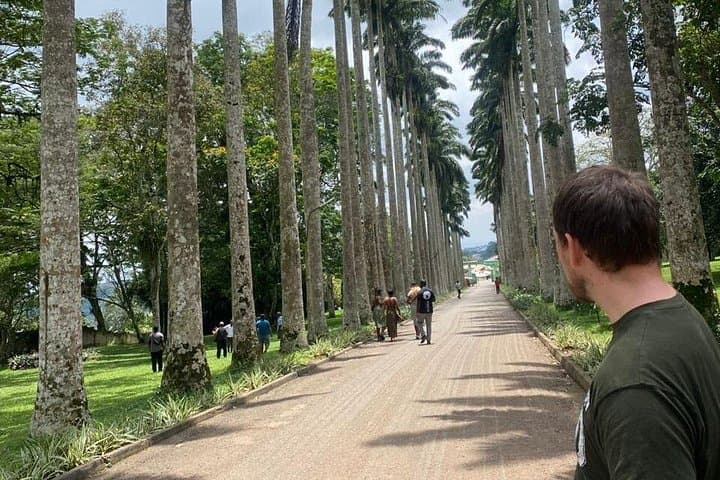
You step out of the air‑conditioned car into a cooler band of hills where the wind carries the resinous scent of pine and the chatter of birds. The Aburi Botanical Gardens open like a green room after Accra’s heat — tall mahogany trunks, palms punctuating open lawns, and orchids clinging to branches overhead. The path underfoot is soft with leaf litter; the gardens’ alleys invite slow walking and sharp listening.
You step out of the air‑conditioned car into a cooler band of hills where the wind carries the resinous scent of pine and the chatter of birds. The Aburi Botanical Gardens open like a green room after Accra’s heat — tall mahogany trunks, palms punctuating open lawns, and orchids clinging to branches overhead. The path underfoot is soft with leaf litter; the gardens’ alleys invite slow walking and sharp listening.
The day threads natural history with human history. Aburi Gardens, established in the late 19th century, reflects colonial-era botanical exploration and modern conservation efforts. Nearby, Tetteh Quarshie’s cocoa farm marks the origin point of Ghana’s cocoa industry — two surviving trees more than a century old still fruiting and offering a direct link to rural livelihoods and export history. Geologically, the Akuapim‑Mampong escarpment shapes short, steep drops that feed streams and the multi‑tiered Oboadaka waterfall; its plunge pool and stepped rock faces show how water carves the ridge over time.
Cultural stops include the craft village where woodcarving and woven goods are made in plain view, making local economies tangible. For practical planning: expect a 4–5 hour round trip from Accra in an air‑conditioned vehicle, mostly easy walking on maintained paths but steeper stair sections at the waterfall. Bring water, sun protection, and comfortable shoes with grip. Aim for mornings to avoid afternoon showers and to get the clearest views at the falls.
This is a compact, varied day — botanical study, a living cocoa monument, birdsong, and a cooling cascade — all within easy reach of Accra.